
Advantages of Batch Fermentation
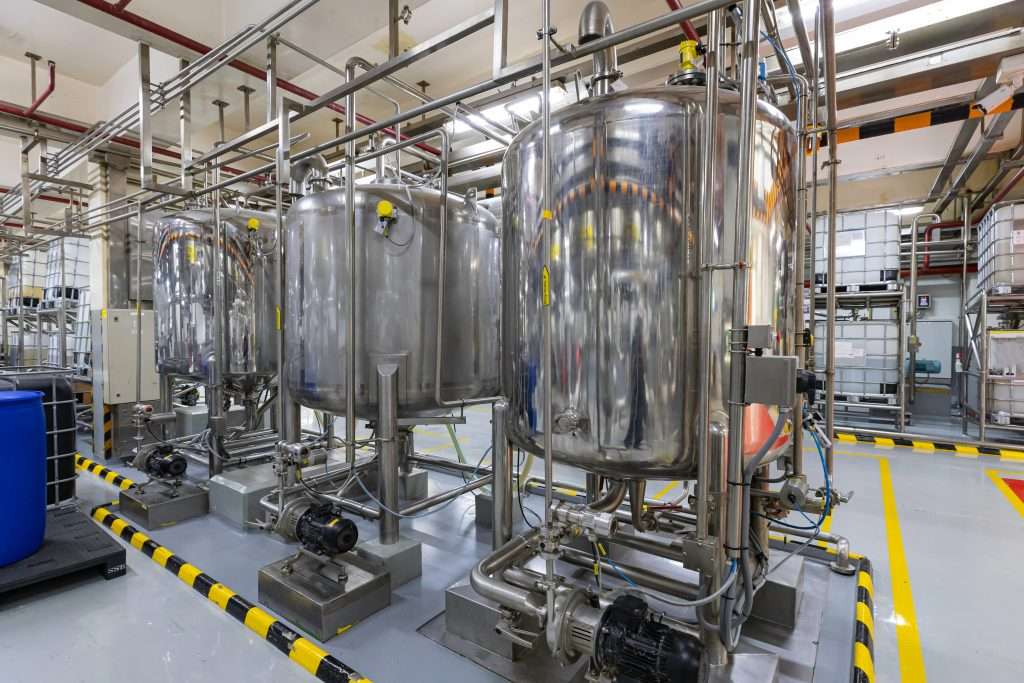
Fermentation sits at the heart of modern biotechnology, where a microorganism is cultivated under controlled conditions to produce valuable outputs—sometimes an enzyme, sometimes a metabolic metabolite, and sometimes something as commercially critical as an antibiotic or a recombinant protein. In that broader fermentation process landscape, batch fermentation remains a dependable workhorse because it keeps the […]
What Is Bioprocessing? Comprehensive guide about bioprocessing
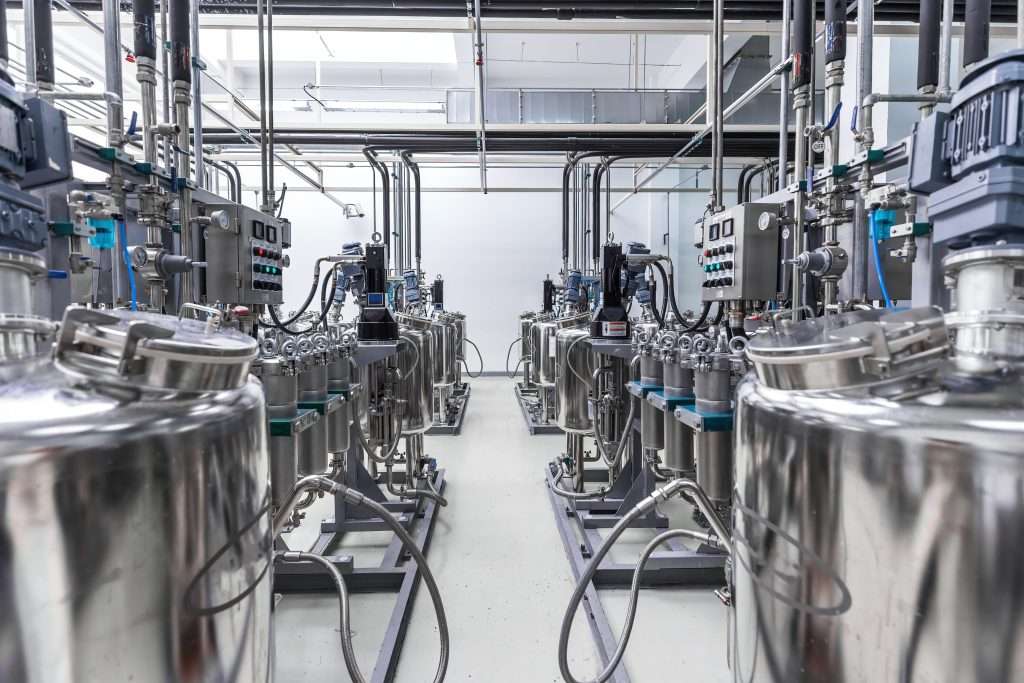
Bioprocessing is how modern industry turns biology into reliable, scalable production. Instead of relying on purely chemical synthesis, bioprocessing uses living cells (or living cells or their components)—such as a microorganism, enzymes, or mammalian cell culture—to convert a substrate into desired products. It underpins biotechnology and biopharmaceutical manufacturing, supporting everything from recombinant proteins and vaccine […]
Difference Between Aerobic and Anaerobic Fermentation
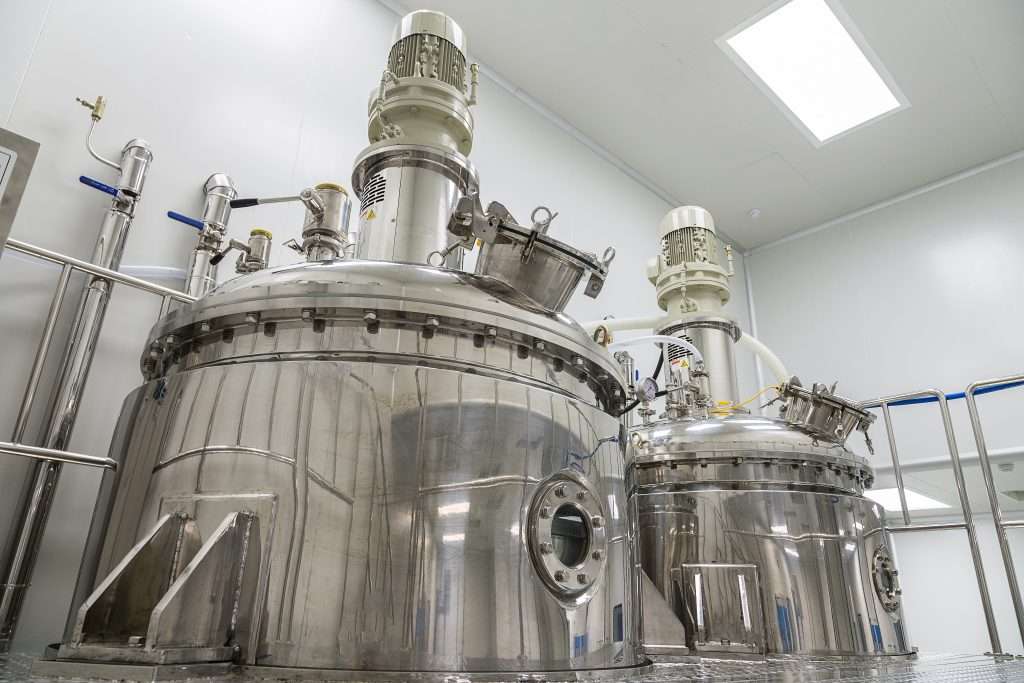
Fermentation is one of the most widely used biological production methods in modern industry, supporting everything from food cultures to industrial chemicals and biofuels. But not all fermentation runs the same way. One of the most important distinctions is whether the microorganisms operate with oxygen (aerobic) or without oxygen (anaerobic). Understanding the difference between aerobic […]
Parts of a Bioreactor: Learn more about every component
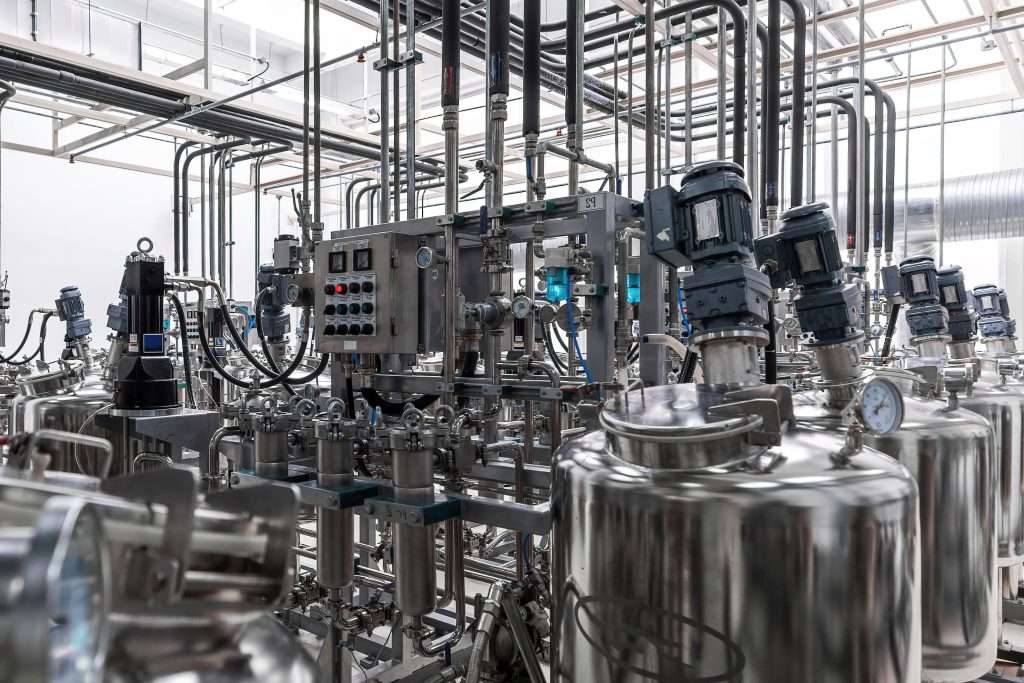
A bioreactor may look like a single vessel, but it is really a coordinated system of hardware, utilities, sensors, and automation designed to keep biological processes stable and repeatable. Whether the biology is microbial or cell-culture, the bioreactor’s parts work together to control temperature, pH, mixing, gas-management, and sterility—especially as conditions change during growth, feeding, […]
Parts of a Fermenter: All components explained
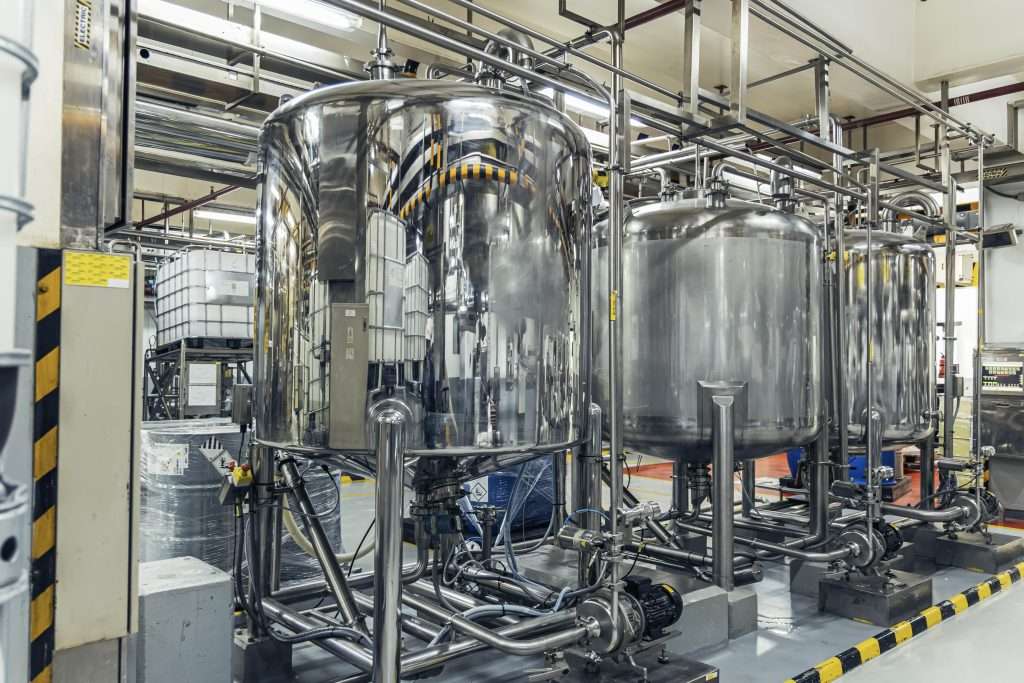
A fermenter may look like a single vessel from the outside, but it is really a system of mechanical, hygienic, and control components working together. Each part plays a role in keeping the culture stable, sterile, and productive—especially as conditions change during growth, feeding, and peak metabolic activity. Understanding the main parts of a fermenter […]
Difference Between a Bioreactor and a Fermentor
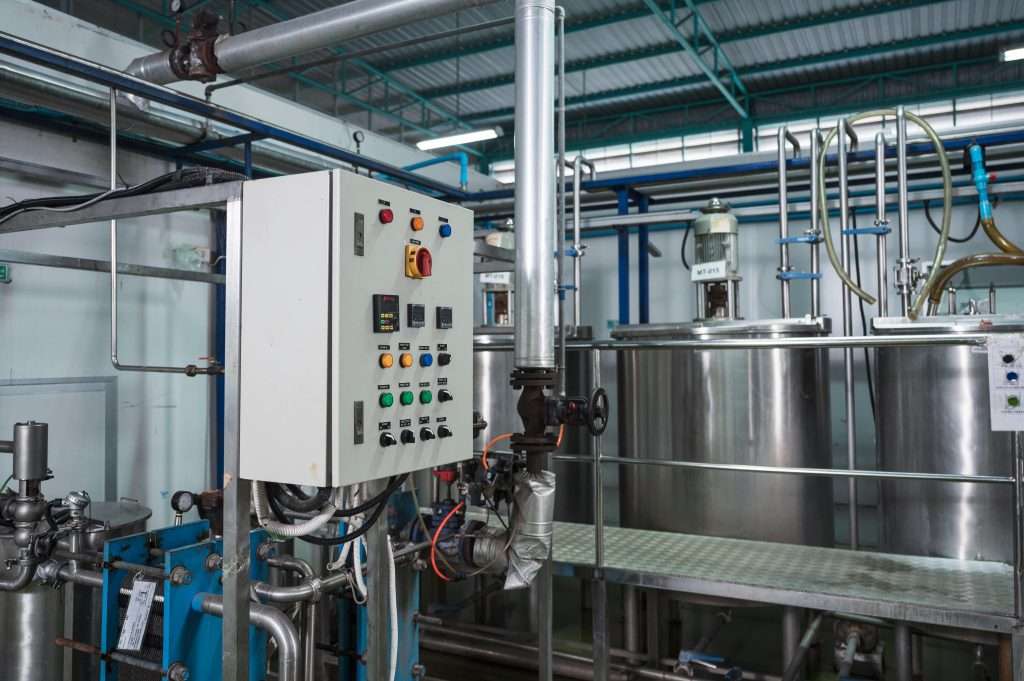
If you’ve ever compared process equipment for biotech, biopharma, or industrial fermentation, you’ve likely seen the terms bioreactor and fermenter used side-by-side—sometimes as if they mean the same thing. In day-to-day engineering conversations they can overlap, but in practice the key difference usually comes down to what you’re growing, what you’re making, and how the system […]
What Is a Fermenter? Learn everything you need to know
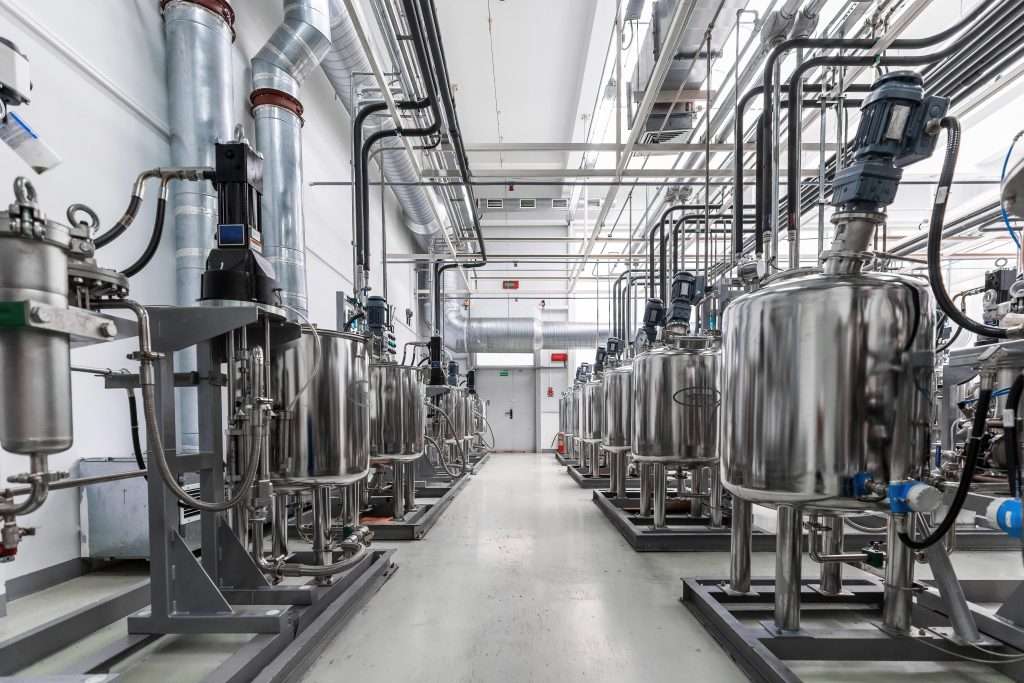
From life-saving medicines to everyday food ingredients, some of the most valuable products around us begin with something you can’t see: microorganisms doing precise work at scale. A fermenter is the engineered environment that makes that work predictable—turning biology into a repeatable process rather than a gamble. Whether you’re scaling-up a new product or simply […]
Industrial Fermenter: What It Is, How It Works, and How to Choose the Right System
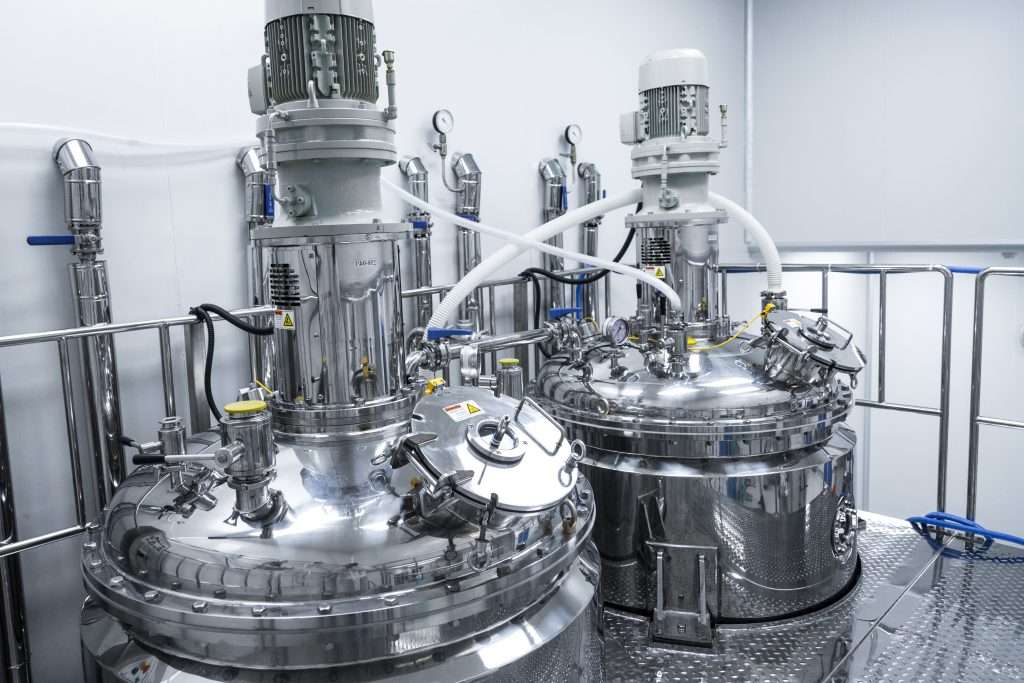
Industrial fermentation is one of those enabling technologies that quietly supports modern manufacturing. It sits behind critical medicines, vaccines, enzymes, food ingredients, bio-based chemicals, and (in some cases) lower-carbon fuels. At the center of these processes is the industrial fermenter: a controlled environment where microorganisms (and, in some applications, cultured cells) convert raw materials into […]