
As production leaders in biopharma companies, you will appreciate the complex journey from bench-scale research to full-scale GMP manufacturing. At ZETA, we know first-hand that scaling up a bioreactor process is never simply a matter of buying bigger equipment. It is a strategic transformation that must be planned for compliance, agility, and operational excellence.
The biopharmaceutical sector in India continues to mature at an impressive pace, driving the need for scalable, robust and future-proof manufacturing systems. Against this backdrop, our experience with hybrid single-use systems, which combine the reliability of stainless steel with the flexibility of disposable technology, offers important lessons for organisations embarking on or optimising their scale-up journey.
The realities of scale-up: Beyond volume
We speak to countless R&D and production leaders who assume scaling up is all about increasing reactor size or batch quantities. In reality, once you decide to move towards a GMP facility, a different set of challenges emerges:
- Documentation and traceability for audit-readiness
- Integration with existing facilities and legacy systems
- Managing the transition from experimental controls to formal automation
- Ensuring flexibility for future process changes
Single-use bioreactors offer immense benefits at the early stage, including faster turnaround times, reduced cleaning and validation requirements, and easier process changes. Yet, once we move into larger volumes and regulated workflows, issues become more pronounced: risk of automation ‘islands’, limited interoperability, and pressure on process validation. In India, where sites incorporate both legacy equipment and global best practices, these challenges are magnified.
Our approach: Hybrid system integration
Since 2011, our team has delivered tailored single-use and hybrid system projects worldwide. We understand that each manufacturing site is unique, and hence our focus is on:
- Modular design principles: Every ZETA solution is structured as a modular system, aligning with ISA-88 standards. This approach not only facilitates scaling but also enables adaptation to local requirements and regulatory standards.
- Unified automation: We refuse to accept the risk of segregated, vendor-specific automation software. Instead, our engineers integrate all package units—regardless of manufacturer—directly into the client’s existing control architecture.
- Built for your standards: We always leverage the client’s own automation libraries, which support efficiency, eliminate vendor lock-in, and align with corporate IT policies.
- GMP compliance from Day-1: Comprehensive FAT/SAT protocols, plus seamless validation documentation, ensure swift regulatory approval and shorter time to market.
A case in point
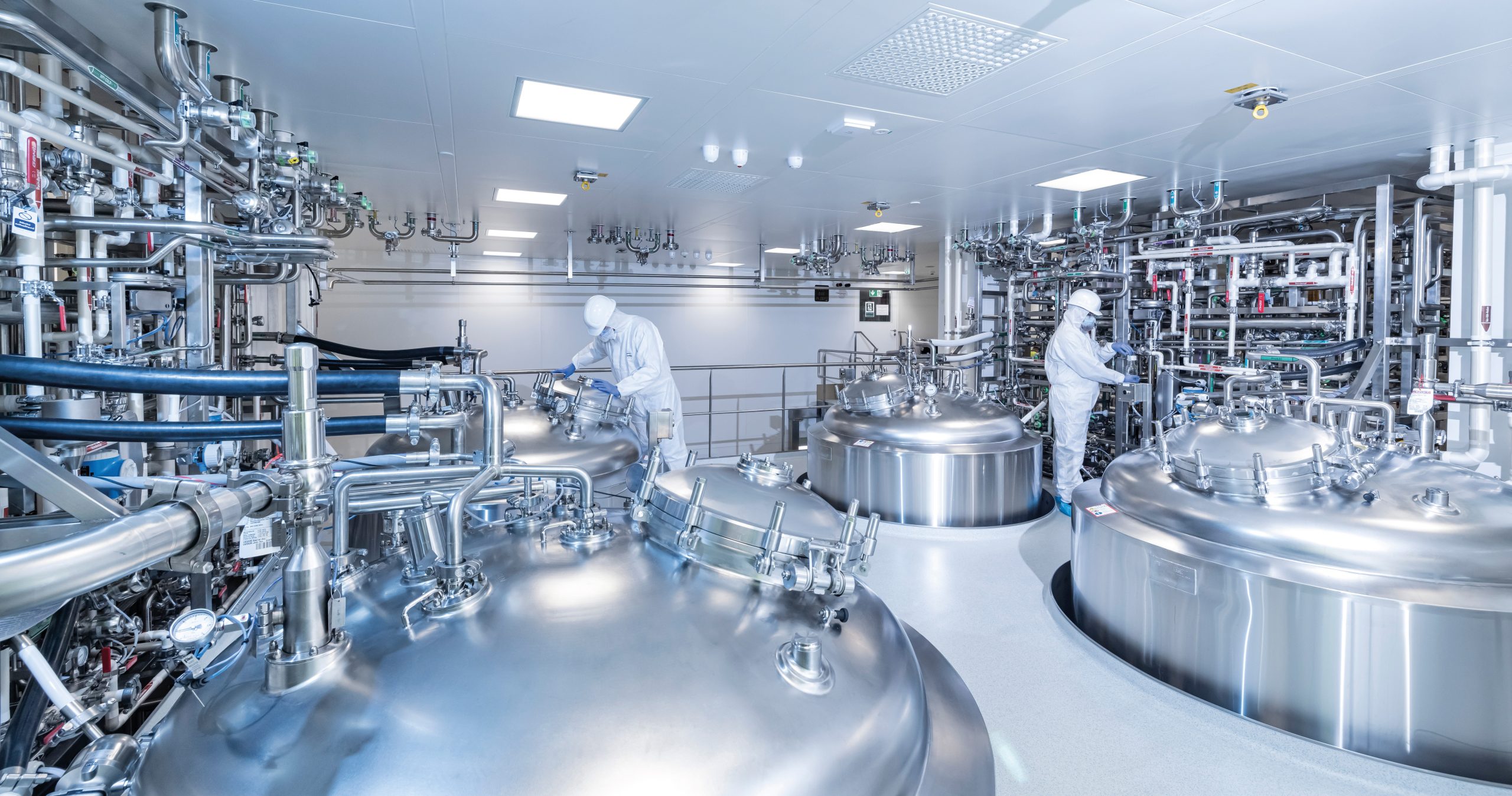
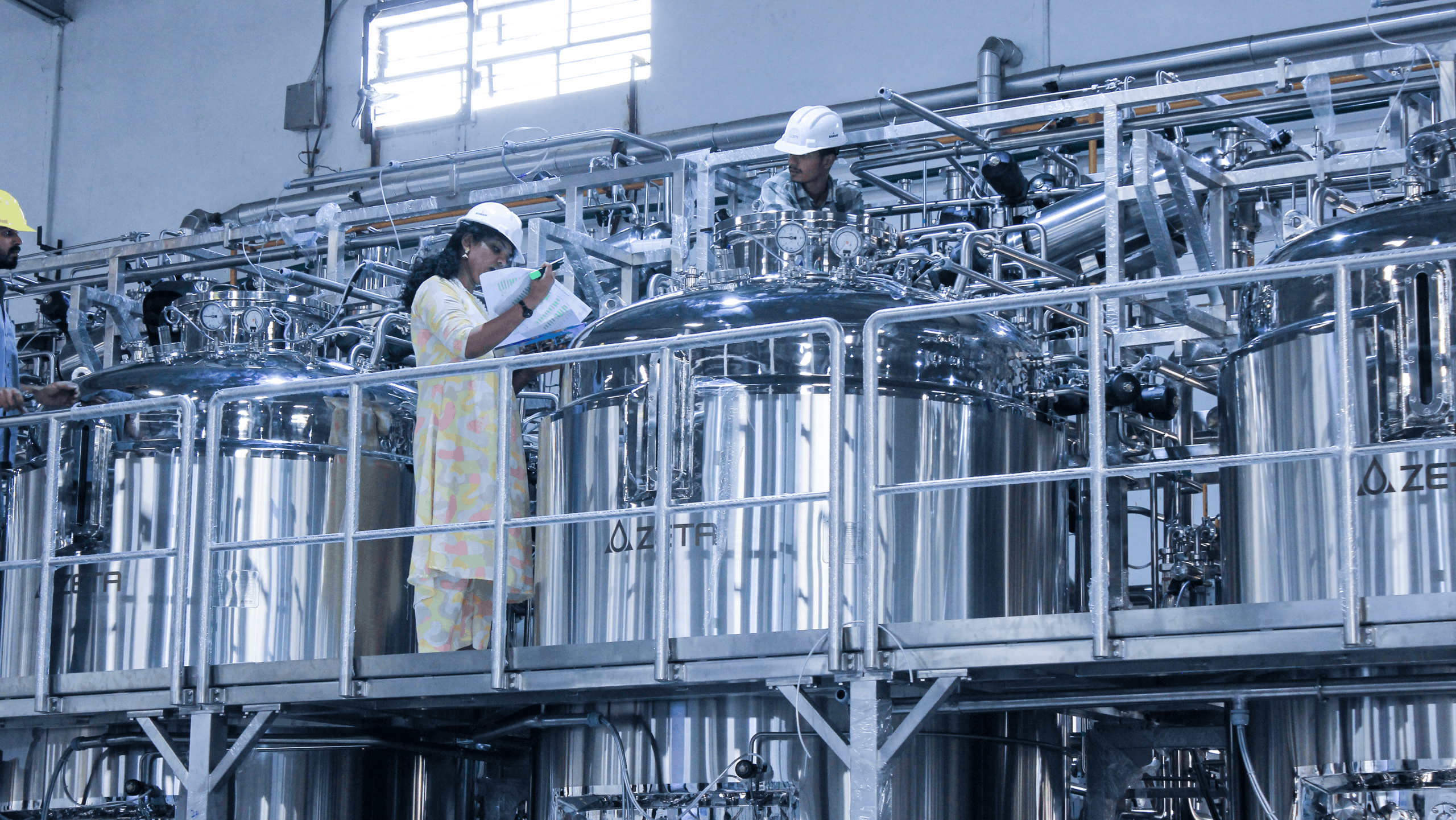
In one of our recent projects in Switzerland, our client required four single-use bioreactors to be integrated into an operational production environment. Over a brisk delivery timeline, we:
- Vertically integrated each SU system into their process control
- Deployed scalable process units ranging from 50 litres to 2,000 litres, all supplied by shared utility platforms
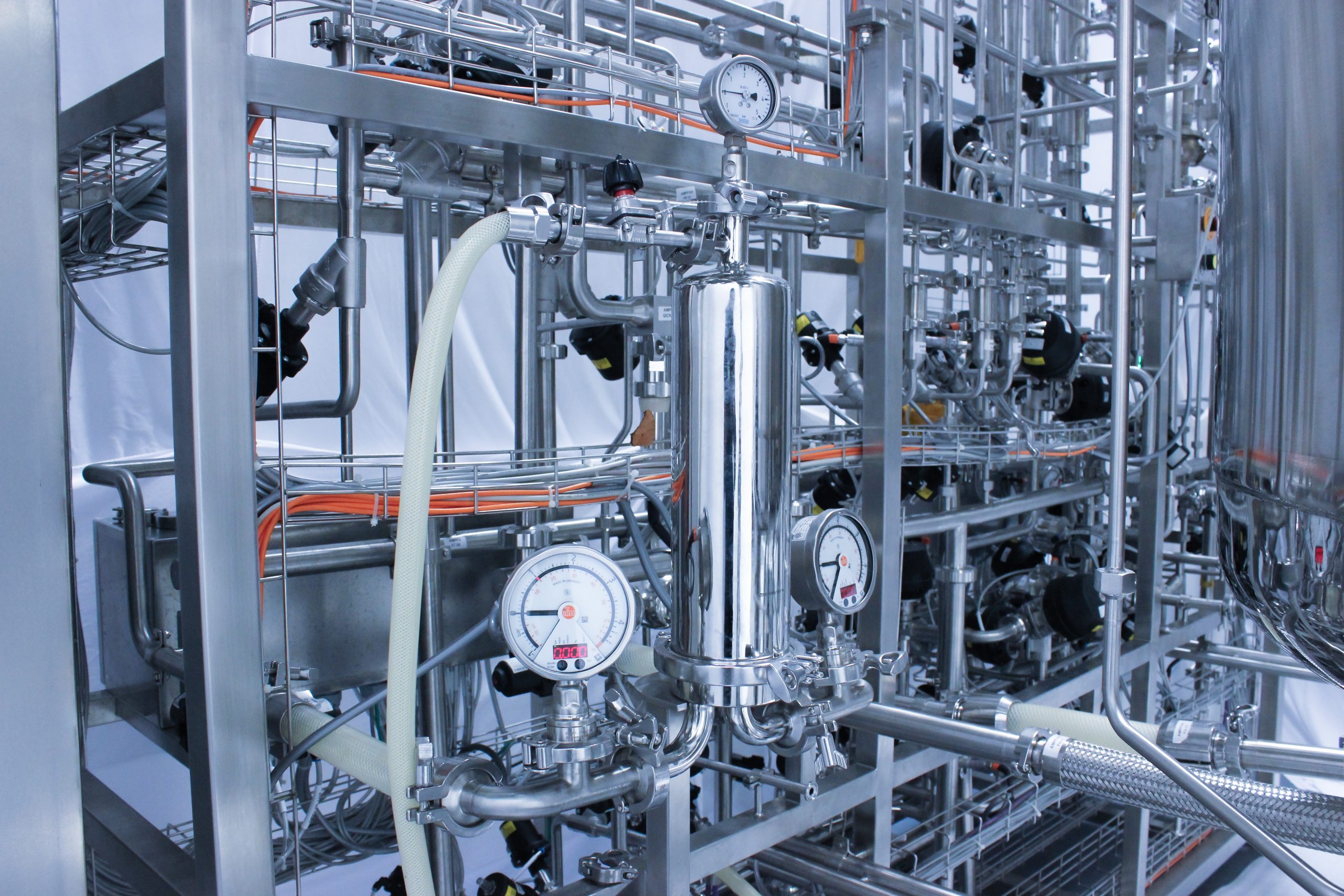
- Designed intelligent piping and ergonomic layouts, reducing process risks and ensuring maximum safety and hygiene
This hybridised solution has since been replicated on sites in Germany, the United States, and beyond—including facilities with the same diversity of legacy and modern equipment seen across India.
Automation as the foundation
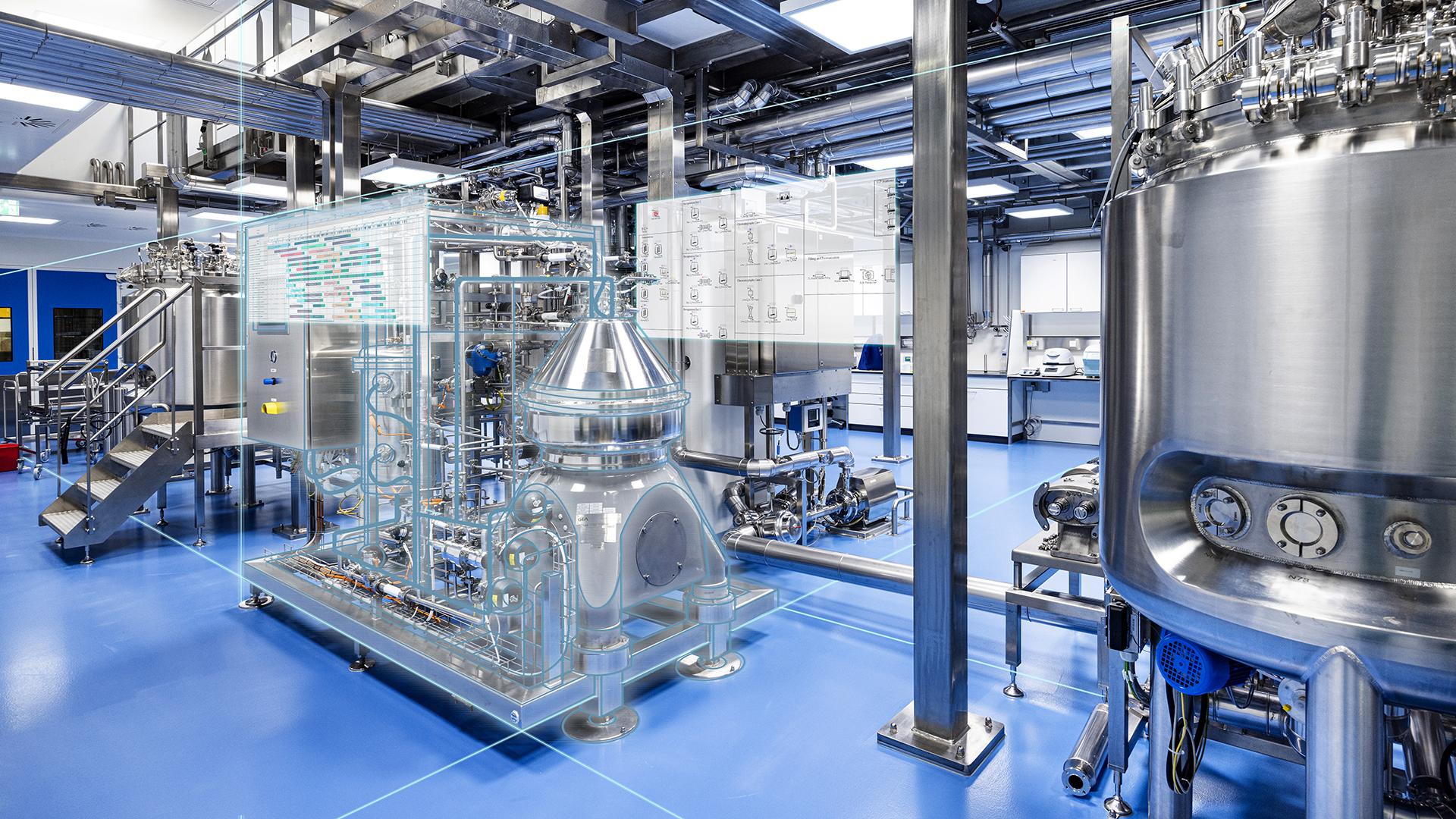
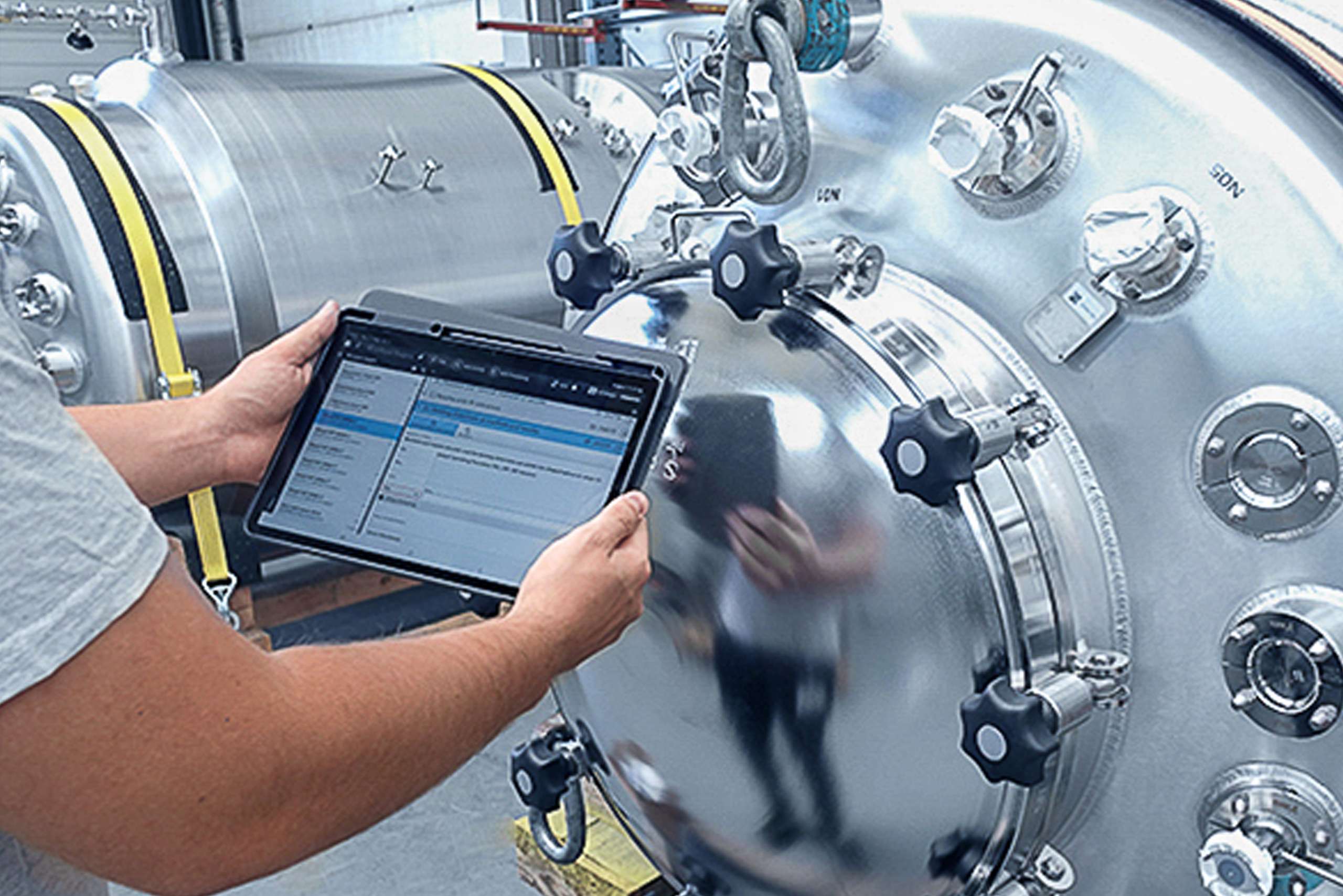
Robust automation is indispensable for biopharma scale-up. Our experts frequently rewrite and integrate control logic—using Siemens, Emerson, Rockwell or bespoke client platforms—so that all systems “talk to” each other and stay future-proof. Indian biopharma leaders should be cautious of vendor-driven, proprietary automation projects; these often seem low-cost at the outset but can require costly overhauls later.
Instead, with modular, open, and client-aligned automation, you safeguard against obsolescence and create a manufacturing platform that can adapt as your product pipeline or regulatory environment changes.
GMP-ready, Audit-ready
Global regulatory pressures have raised the bar for compliance in India. We take GMP readiness seriously: every deliverable is supported by ironclad documentation, built for straightforward qualification and audit.
You can expect:
- Pre-validation at the Factory Acceptance Testing (FAT) stage,
- Final validation at Site Acceptance Testing (SAT)
- Comprehensive DQ/IQ/OQ/PQ documentation packages
By embedding compliance in every project phase, we help clients avoid costly last-minute modifications and regulatory surprises.
Best practices for Indian biopharma companies
Drawing on our experience, we offer strategies that support decision makers in evaluating their options effectively.
- Design for flexibility: Modular systems enable rapid scale-up and easy adaptation—essential for managing portfolio changes or new product launches.
- Integrate across vendors: Insist on integration across all hardware and software platforms, reducing approval times and improving operational control.
- Invest in future-proof automation: Your site automation should work seamlessly with global standards, putting you at the forefront of Industry 4.0.
- Prioritise validation and documentation: Build GMP validation into project planning, not as an afterthought.
- Leverage hybrid models: Consider using a stainless steel backbone to support your single-use systems’ reliability.
Looking forward: The Indian context
As India continues to drive innovation in biologics and vaccine production, manufacturers face increasing scrutiny and market expectations. The right scale-up solution should not just meet today’s targets but empower your organisation to capitalise on tomorrow’s opportunities.
With hybrid single-use systems, we help you strike the right balance: operational agility, compliance, and adaptability. We are ready to partner with forward-thinking biopharmaceutical companies—drawing on our global experience while tailoring to your local requirements.
If you are exploring a scale-up, retrofitting an existing site, or need advice on integrating new technology, do reach out to us. We will help you leverage the best of both worlds and future-proof your operations for the evolving biomanufacturing landscape in India.