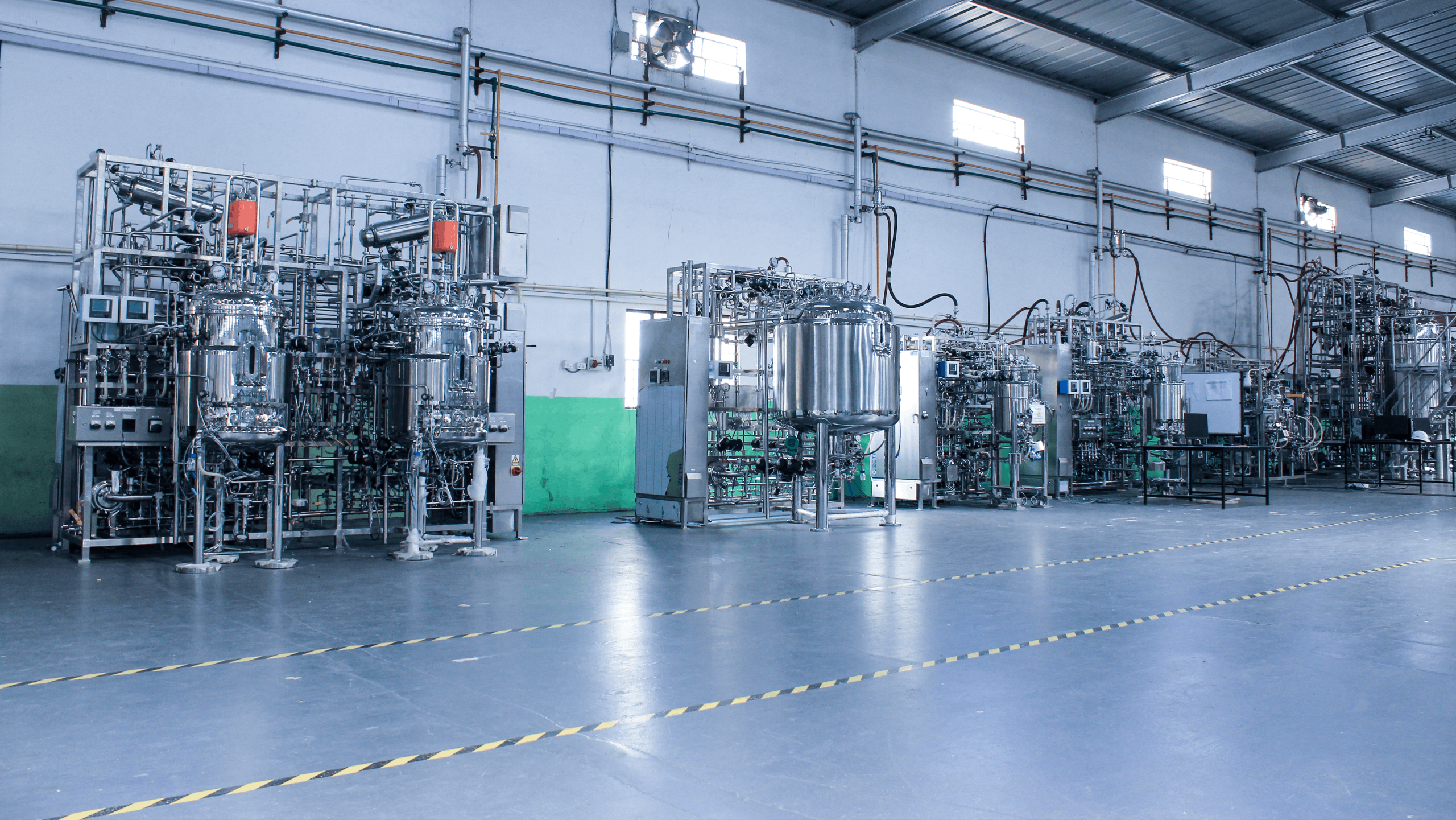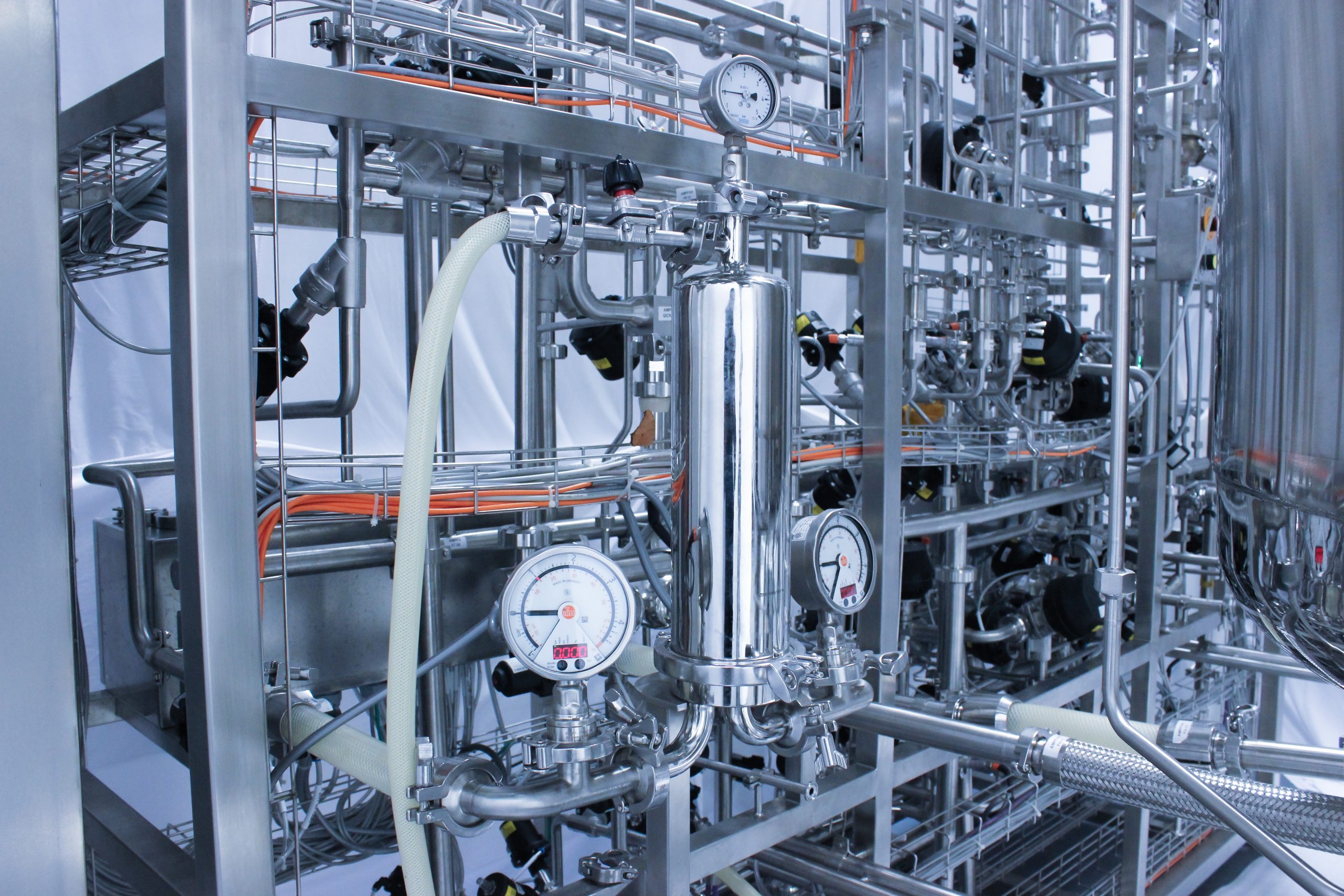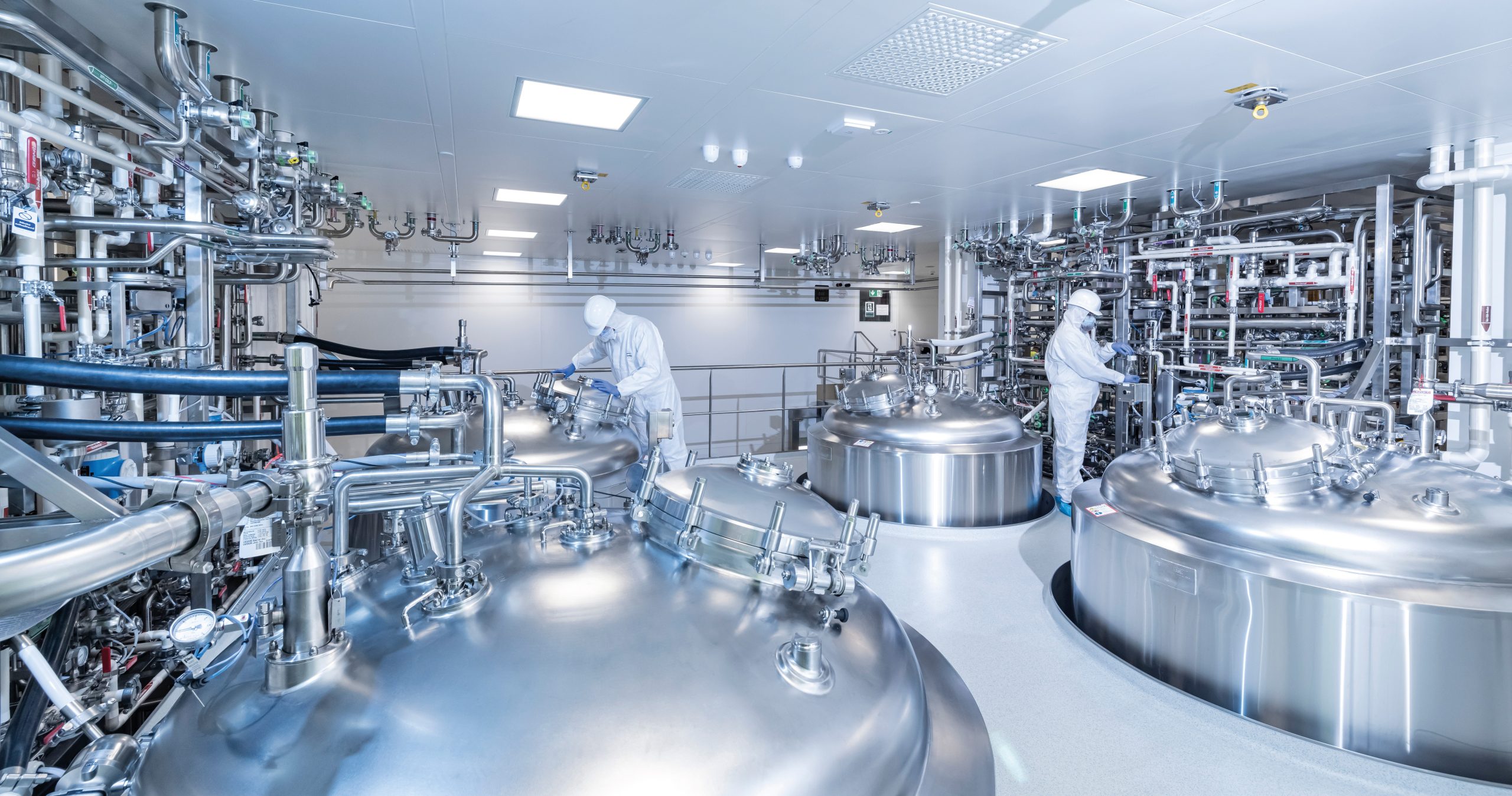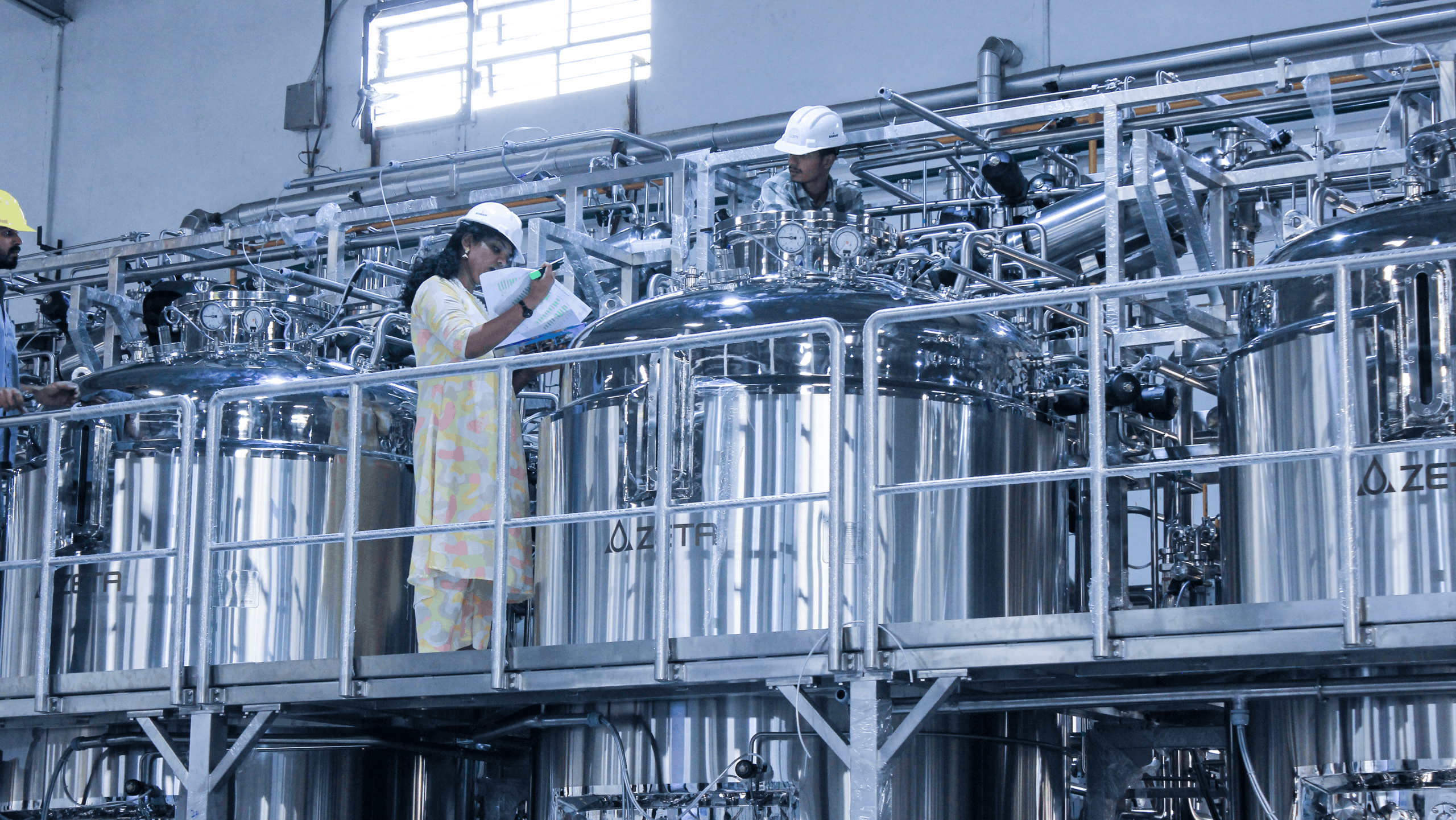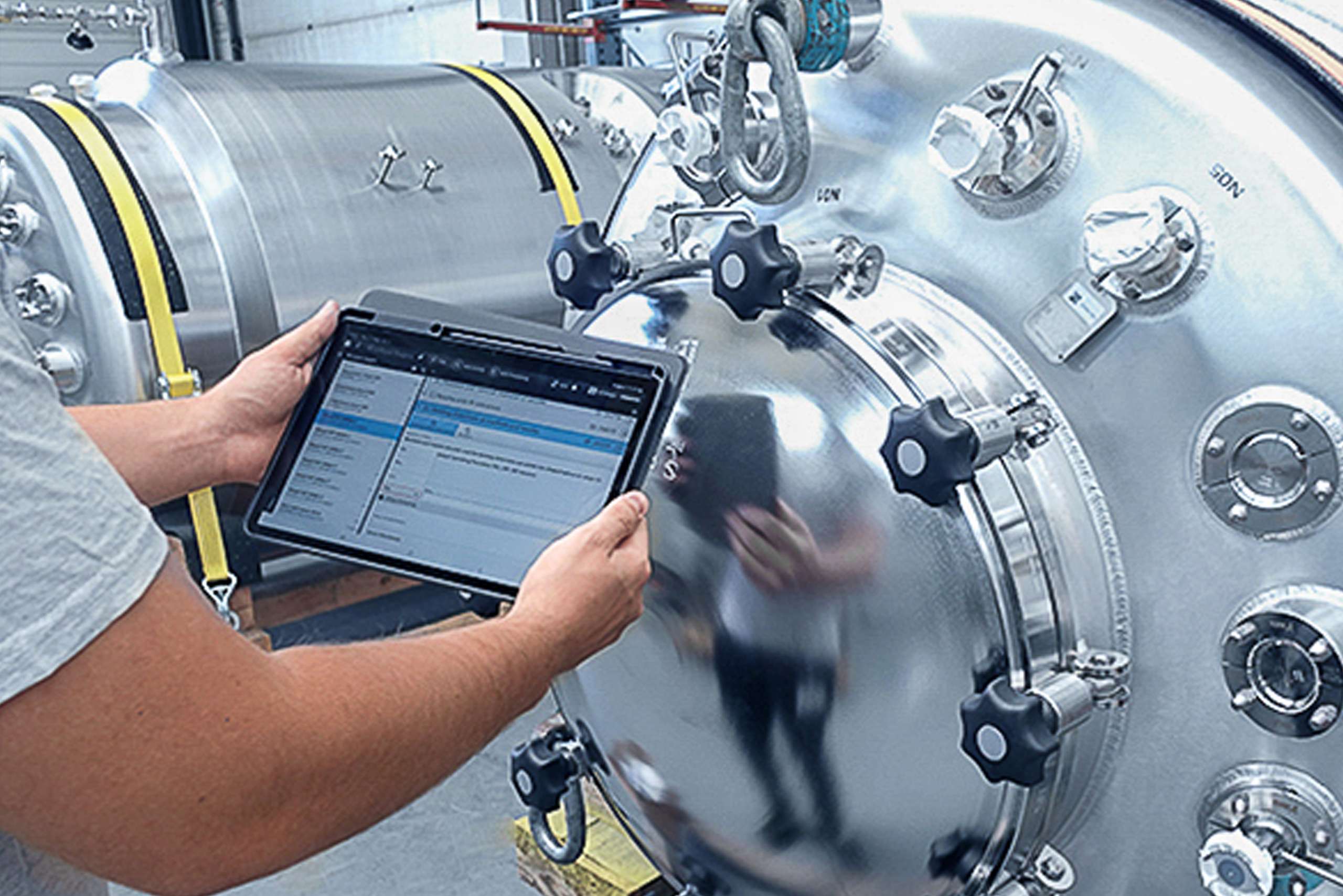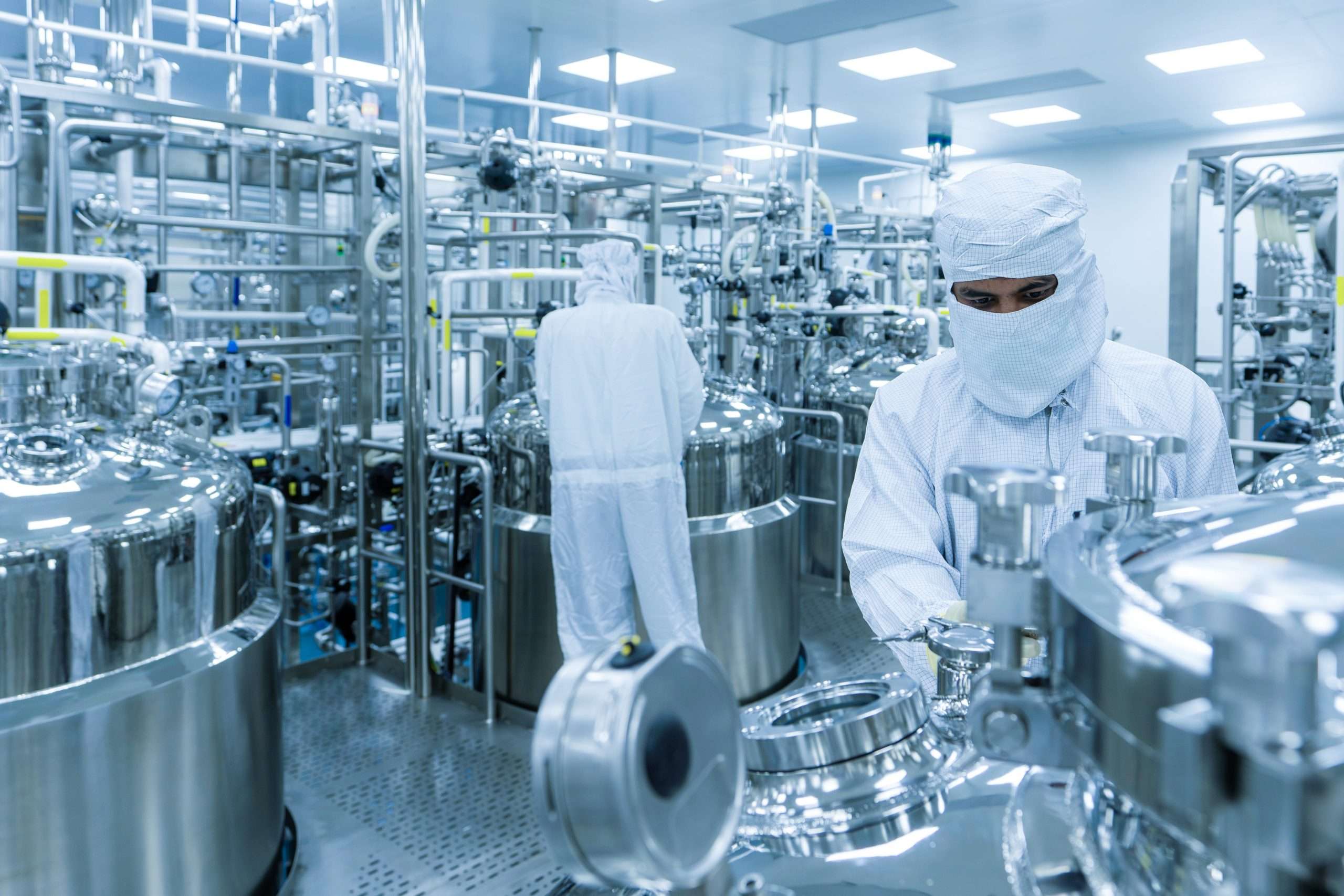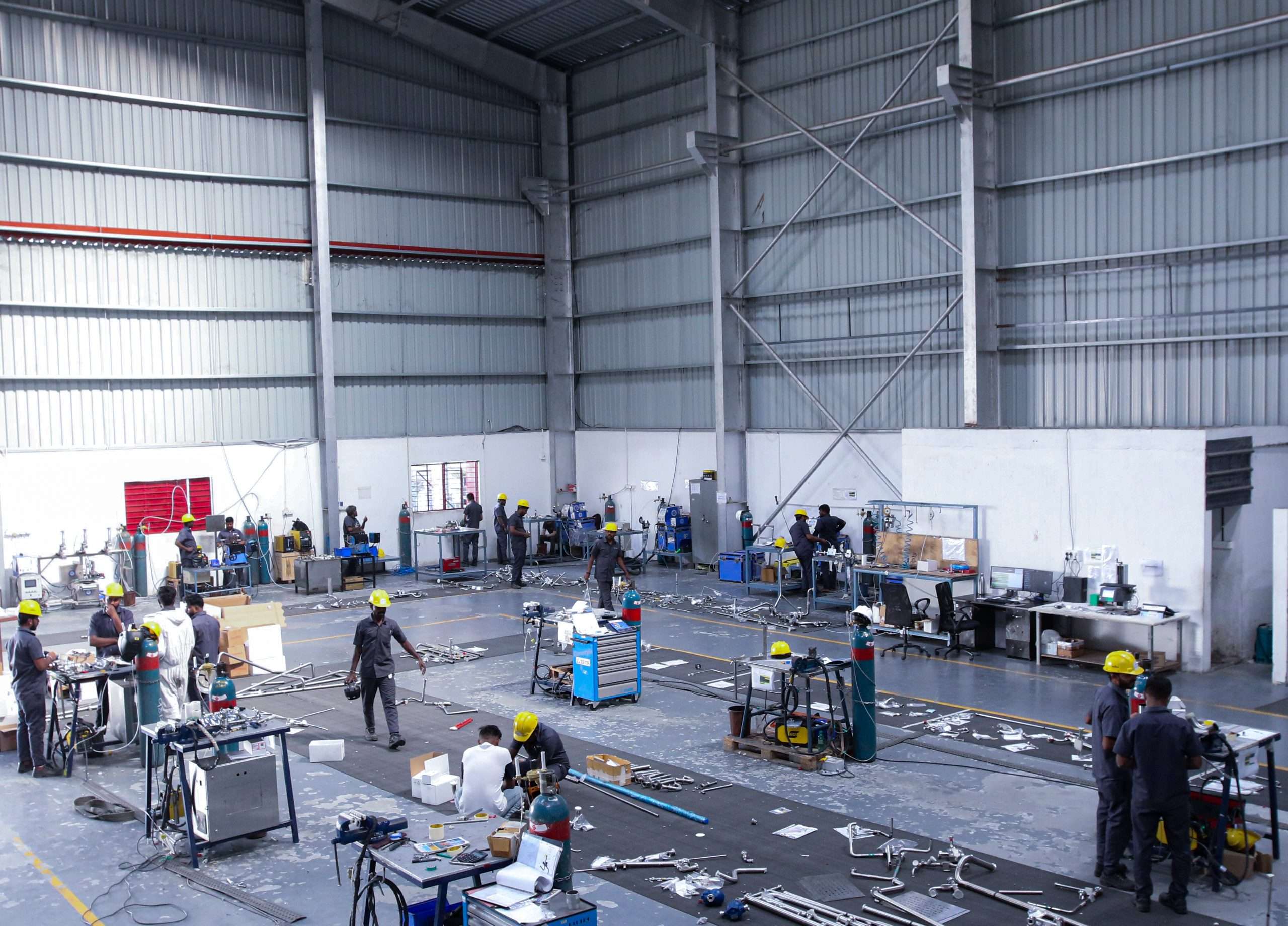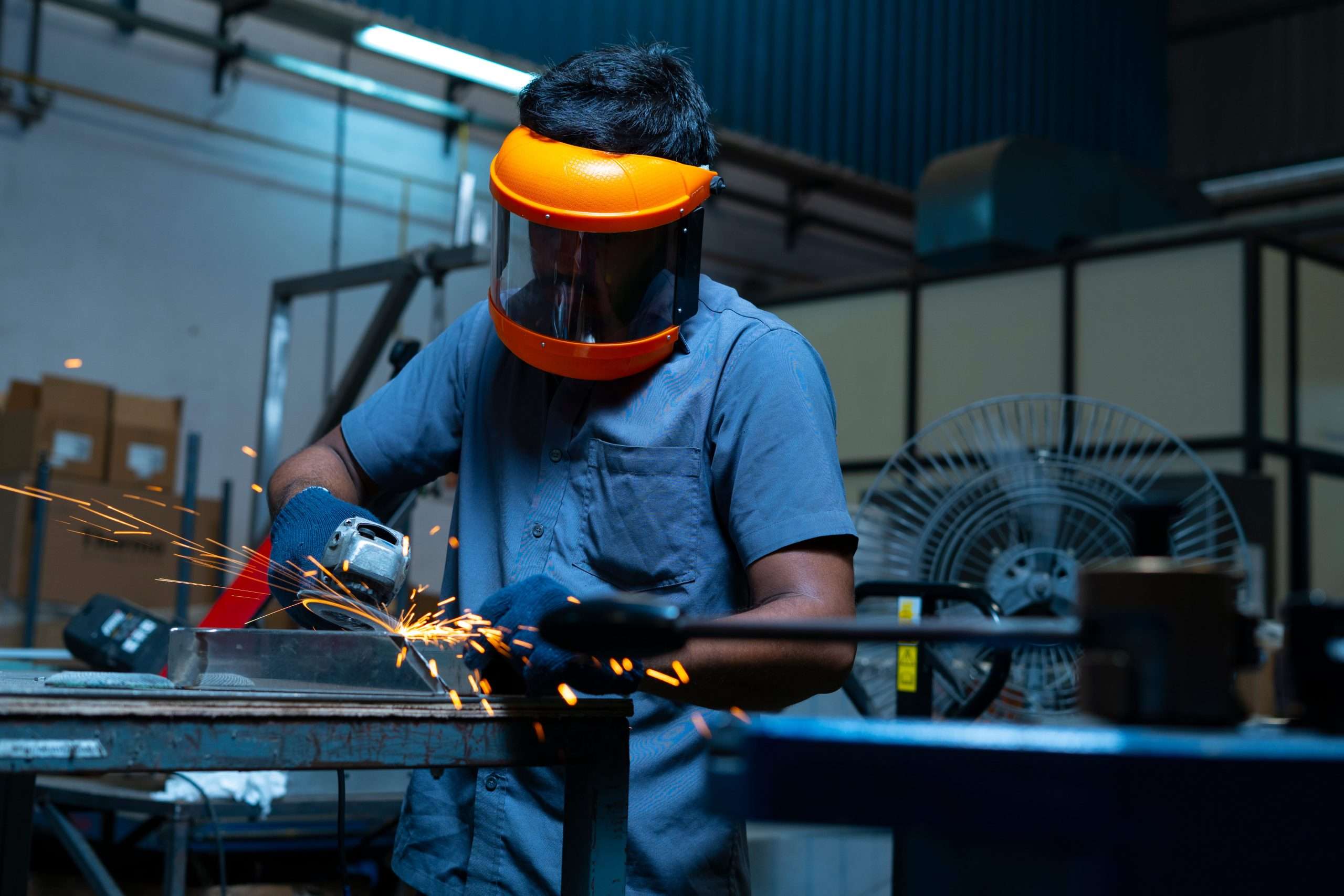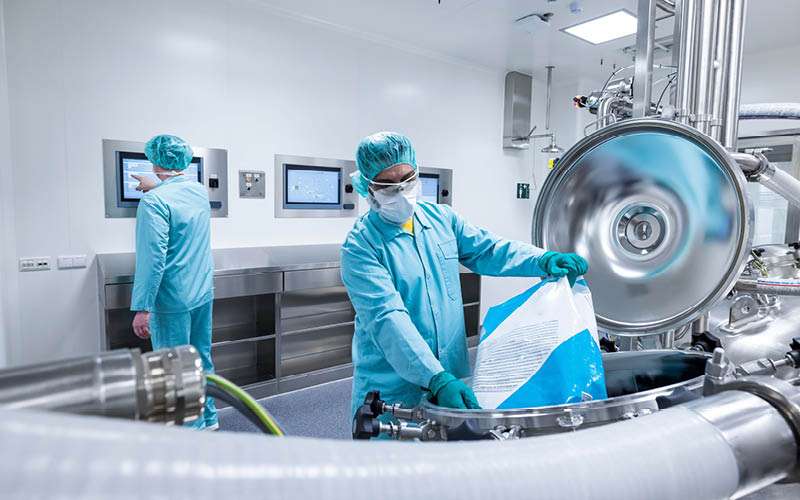
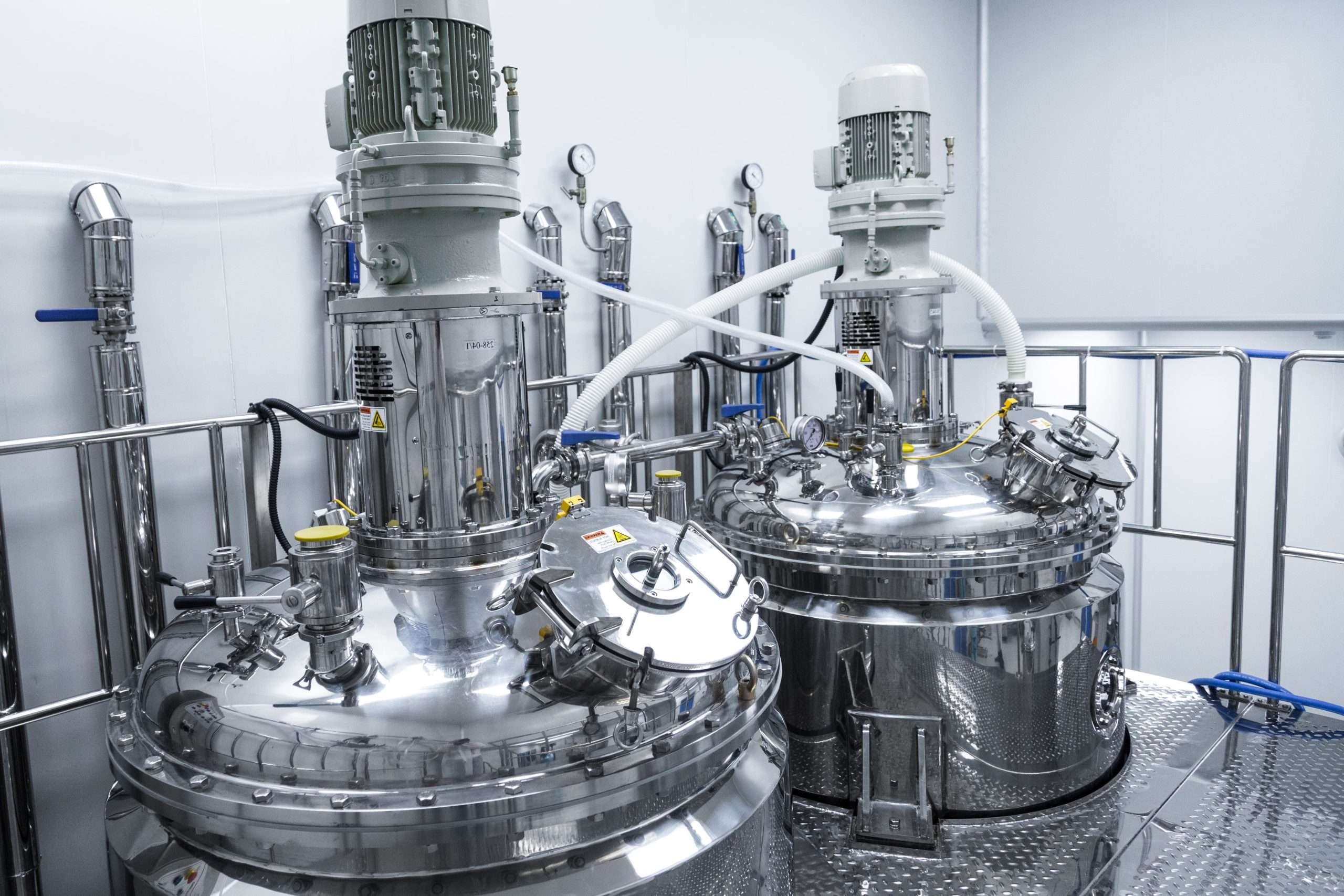
Industrial fermentation is one of those enabling technologies that quietly supports modern manufacturing. It sits behind critical medicines, vaccines, enzymes, food ingredients, bio-based chemicals, and (in some cases) lower-carbon fuels. At the center of these processes is the industrial fermenter: a controlled environment where microorganisms (and, in some applications, cultured cells) convert raw materials into high-value products—safely, consistently, and at scale.
If you’re evaluating equipment for a new line, scaling-up from pilot to production, or modernizing an existing vessel to meet today’s quality expectations, this guide explains what an industrial fermenter is, how it works, and what matters most when selecting a system.
What Is an Industrial Fermenter?
An industrial fermenter (sometimes called a fermentation system; “bioreactor” is also used, particularly in broader biotech contexts) is a large-scale vessel designed to cultivate microorganisms such as bacteria, yeast, and fungi—under tightly controlled conditions. The goal is to create stable process conditions that support growth and product formation while maintaining repeatability from run-to-run.
Compared with lab-scale units, industrial fermenters must manage:
- High working volumes (from hundreds of litres to multi-m³ systems)
- Sterility and contamination control
- Robust monitoring, automation, and data capture
- Cleanability and maintainability
- Scalable mixing, aeration, and heat-removal
- Process safety considerations (pressure, off-gas, foam, and utilities)
In short: it’s not just a tank. It’s a production-critical system designed to keep biology and engineering working together under real-world constraints.
Common Types of Industrial Fermenters
Stirred-tank fermenter
A stirred-tank fermenter is the “all-rounder” of industrial fermentation because it gives you direct, adjustable control over mixing and gas dispersion. A motor-driven shaft turns one or more impellers, while baffles stop the broth from simply swirling and help create efficient circulation. In practice, this helps keep nutrients, cells, and temperature more uniform—supporting repeatable batch-to-batch performance, especially when moving from pilot-scale to production-scale.
Where stirred-tanks really earn their place is in aerobic processes that need reliable oxygen-transfer in the fermentation tank. Air (and sometimes oxygen-enrichment) is introduced through a sparger, and the impellers help disperse gas into smaller bubbles to increase gas–liquid contact. The main trade-offs are energy use and shear: as volumes rise, power demand can increase sharply, and high agitation or certain impeller choices can stress shear-sensitive cultures. That’s why impeller type, speed, and gas-flow are typically tuned together rather than in isolation.
Bubble-column fermenter
A bubble-column fermenter is a simpler, mechanically lighter option that relies on rising gas bubbles to mix the broth. Instead of a rotating agitator, gas is sparged in at the base, and the upward movement of bubbles creates mixing and circulation. With fewer moving parts, bubble-columns can be attractive where maintenance needs to be minimized or where gentler mixing is beneficial.
The limitation is that performance becomes more dependent on gas-flow, sparger design, and broth properties in a scale fermenter. In low-to-moderate viscosity systems, a bubble-column can deliver effective mixing and oxygen-transfer without the complexity of a stirred-tank. However, as viscosity increases or oxygen demand climbs, you may need higher gas rates, oxygen-enrichment, or back-pressure strategies—each of which can increase foaming risk and operating cost. Bubble-columns can be highly effective, but they suit the right process window rather than every application.
Airlift fermenter
An airlift fermenter builds on the bubble-column concept by engineering a more predictable circulation loop. It creates a gas-rich “riser” zone (where liquid moves upward) and a gas-lean “downcomer” zone (where liquid moves downward), often using an internal draft-tube or an external circulation loop. This deliberate flow path improves bulk circulation and helps reduce dead-zones, which can support more uniform conditions without the shear associated with high-speed mechanical agitation.
Airlift designs are often chosen for shear-sensitive processes that still require consistent mixing and stable oxygen-transfer. Because circulation is driven by density differences between the riser and downcomer, performance depends strongly on geometry—draft-tube sizing, clearances, and gas distribution can make a noticeable difference at scale. Compared with stirred-tanks, airlifts may have lower peak oxygen-transfer capacity for very high-demand processes, but they can offer a strong balance of gentle handling, reliable circulation, and reduced mechanical complexity when the process fits.
Packed-bed fermenter
A packed-bed fermenter uses a solid support medium (the “packing”) to retain or immobilize microorganisms, rather than keeping them freely suspended. Liquid feed passes through the packed section, and cells attach to surfaces (or are retained within the structure), allowing high cell density in a relatively compact volume. This can be valuable for certain biochemical conversions where immobilization improves stability and productivity over extended run-times.
The practical challenges come from flow distribution and cleanability. As biomass builds up, the bed can develop higher pressure-drop, and uneven flow can lead to channeling—where liquid follows preferred paths and bypasses parts of the packing. Cleaning and sterilization can also be more demanding because the packing increases surface area and creates potential hold-up zones. For that reason, packed-bed designs are typically adopted when the process benefits are proven and the operating strategy (including fouling management) is well understood.
Tower fermenter
A tower fermenter is a tall, high-aspect-ratio vessel format used to take advantage of vertical hydrodynamics and footprint efficiency. Many tower set-ups are variants of bubble-column or airlift designs, using height to increase gas–liquid contact time and influence circulation patterns. In facilities where floor-space is limited, going vertical can deliver more working volume without expanding the production footprint.
The trade-off is that tall vessels can be more prone to gradients if mixing and heat-removal are not engineered carefully. Temperature, dissolved oxygen, and concentration differences can develop along the height of the vessel, particularly in demanding aerobic processes or where broth viscosity changes during the run. Towers can perform very well when the process aligns with gas-driven mixing and the design accounts for heat-removal, monitoring, and access at scale—but they are usually selected for specific needs rather than as a general-purpose default.
The Key Building Blocks of an Industrial Fermenter
Vessel Design and Materials
At industrial scale, the vessel is less about “holding volume” and more about protecting the process from corrosion, contamination, and variability. 316L stainless steel is widely used because it offers good corrosion resistance for many process fluids and cleaning chemistries, and it supports hygienic internal finishes (note: specific duties may require alternative alloys or linings). The practical difference between a vessel that performs well and one that becomes a constant operational issue often comes down to build-quality: consistent welds, smooth internal surfaces, and geometry that reduces product hold-up.
Those details affect uptime and batch consistency. A poor surface finish or inconsistent welds can create micro-crevices where residues collect, making cleaning harder and increasing contamination risk. Likewise, dead-legs (sections of pipework where fluid can stagnate) can undermine clean-in-place and sterilization-in-place effectiveness. Nozzle layout also matters because it determines how easily you can place sensors, add feeds, take samples, and maintain components without repeatedly opening the system or creating difficult access points.
Mixing and Agitation
Mixing keeps conditions uniform so cells “see” a consistent environment throughout the vessel. Without adequate mixing, you can get local hot-spots, pH pockets, and nutrient gradients that drive uneven growth and unpredictable product formation. This becomes especially important during feeding in fed-batch operation, where concentrated feeds can create local spikes unless they are dispersed quickly.
In reality, mixing is a balancing act. More agitation can improve uniformity and oxygen-transfer, but it can also increase shear and foaming. That’s why impeller type, baffle design, and agitation speed are selected as a package: what works for a low-viscosity bacterial broth may not suit a more viscous fungal process. As scale increases, maintaining mixing performance becomes harder (and more energy-intensive), so getting the design right early reduces scale-up surprises.
Aeration and Oxygen-Transfer
For many aerobic processes, oxygen is the limiting input—not because you cannot supply air, but because transferring oxygen from gas into liquid fast enough is difficult. Oxygen-transfer depends on bubble size, gas-flow, mixing intensity, and pressure. The fermenter therefore needs an aeration set-up that delivers sufficient oxygen without driving persistent foam, unstable dissolved-oxygen control, or excessive gas consumption.
Design choices here have major operational impact. Sparger design influences bubble distribution and fouling behaviour, while gas-flow control and oxygen-enrichment strategies help meet demand as biomass increases. Back-pressure can improve oxygen solubility, but it must be engineered safely and matched to off-gas handling. Off-gas monitoring (O₂/CO₂) can also provide early signals of metabolic change—useful for feed control, endpoint decisions, and troubleshooting when performance drifts.
Heat-removal and Temperature Control
Fermentation often generates heat as cells grow and metabolize—sometimes rapidly during peak growth. Temperature affects growth rate, product formation, and by-product generation, so stable temperature control is essential. At larger volumes, heat becomes harder to remove quickly, and small control delays can translate into temperature swings that affect yield and consistency.
That’s why heat-removal design is based on worst-case scenarios, not averages. Jackets, internal coils, and external heat-exchangers are selected based on expected heat-load, broth properties, and allowable temperature deviation. Poor heat-transfer capacity can force you to slow feeding or reduce growth intensity—effectively limiting productivity even if everything else is optimized.
Instrumentation and Automation
Instrumentation turns fermentation from “an art” into a controlled, repeatable process. Sensors for pH and dissolved oxygen are central, but they only deliver value when positioned correctly, calibrated properly, and integrated into stable control loops. Automation also reduces manual interventions (adjustments, setpoint changes, and some sampling approaches), which can lower contamination risk and improve consistency across shifts.
Automation is also about traceability and learning. Reliable data capture helps teams understand why two batches behaved differently—whether it was a feed deviation, gas-flow limitation, foaming event, or sensor drift. In more advanced set-ups, off-gas analysis and trend-based alarms can detect issues earlier. The practical payoff is fewer deviations, faster investigations, and smoother optimization because decisions are backed by consistent, time-stamped data.
CIP/SIP and Hygienic Design
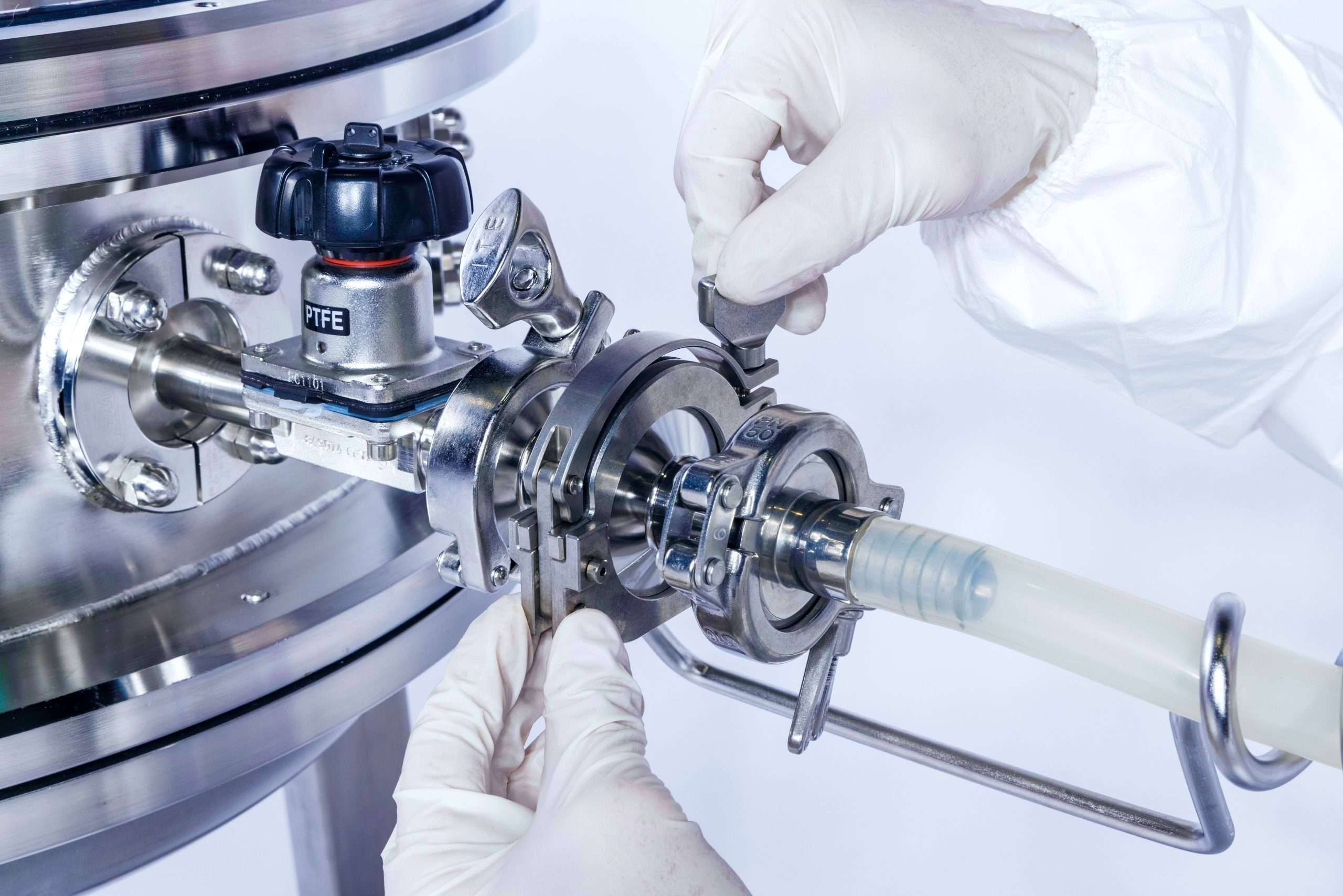
Clean-in-place and sterilization-in-place capability is often the difference between a fermenter you can turn around confidently and one that creates recurring contamination risk. A well-designed system ensures cleaning solutions reach all internal surfaces with the right flow, contact time, and drainage—then sterilization reaches required conditions throughout the vessel and connected lines. Hygienic design supports this by minimizing hold-up volumes, avoiding poorly drained branches, and selecting components that do not create hidden contamination points.
In day-to-day operation, hygienic details translate into uptime. Poor drainability can leave residual water or product, extending preparation time and increasing microbial risk. Dead-legs and poorly designed branches can remain inadequately cleaned even if the main vessel looks fine. Strong hygienic design also supports maintainability because you can service parts with less disruption—helping keep the process stable and reducing unplanned downtime.
How to choose the right fermentor for your requirements
Process mode and targets
Choosing the right fermenter starts with how you intend to run it and what “good” looks like in measurable targets. A vessel that performs well for short batch runs can struggle in long fed-batch cycles, and continuous operation increases demands on long-term stability, control, and sterility. Defining targets early reduces the risk of a system that looks correct on paper but cannot consistently deliver in production once real broth behaviour, foaming, and heat-load show up.
- Batch: simpler operation and changeovers, but more downtime between runs; ideal where flexibility matters.
- Fed-batch: higher titres often possible; needs robust feeding control, foam management, and oxygen-transfer headroom.
- Continuous: efficiency and steady-state output, but higher demands on long-term sterility, control stability, and monitoring.
- Define up-front: target titre, productivity, cycle-time, yield, and acceptable batch-to-batch variation.
- Decide what matters most: maximum output, fastest turnaround, or highest consistency.
Organism and broth behavior
Your organism and broth properties set the operating limits inside the tank. Oxygen demand drives aeration and mixing requirements, while shear sensitivity can constrain agitation intensity and impeller choice. Because broth properties can change over the run—viscosity rising, foaming increasing—the fermenter needs enough operating range to handle the full window, not just start-up conditions.
- Oxygen demand: drives aeration rate, sparger design, back-pressure, and agitation power.
- Shear sensitivity: influences impeller type, tip-speed limits, and agitation strategy.
- Viscosity range: affects mixing time, heat-removal, and oxygen-transfer capability.
- Solids content: impacts suspension, risk of settling, and drainability.
- Foaming tendency: affects headspace sizing, foam probe placement, antifoam strategy, and off-gas handling.
Scale and future flexibility
Scale is not just “make it bigger”—it’s about maintaining performance characteristics so yields and quality do not drift. You also need to decide whether you are buying a fermenter optimized for one product or a platform that supports multiple processes over time. Even if you’re specifying for today, it pays to allow for growth: new strains, new recipes, higher throughput, and site expansion.
- Plan the scale-up path: lab → pilot → production comparability (mixing, oxygen-transfer, heat-removal).
- Decide if you need single-product optimization or multi-product flexibility (future SKUs, different strains).
- Consider expandability: extra ports, sensor capacity, higher gas-flow capability, room for additional skids.
- Check footprint constraints: floor-load, height, access clearances, and maintenance space.
- Think about long-term throughput: can you add parallel units, or will one larger vessel be the strategy?
Control strategy
Controls turn a vessel into a reliable production system. For fed-batch especially, small deviations in pH, dissolved oxygen, or feed-rate can cascade into yield losses. A defined control strategy also supports troubleshooting: high-quality data is the difference between guessing and diagnosing.
- Instrumentation depth: temperature, pH, DO, level/weight, pressure, foam, off-gas (process-dependent).
- Automation level: manual, semi-automated, or recipe-driven with alarms and interlocks.
- Data capture: trending, batch reports, event logs, audit trails (useful for investigations and optimization).
- Integration: SCADA/MES connectivity and standard interfaces for historians (where applicable).
- Practicality: sensor placement, calibration access, spare probes, and drift-management plans.
Utilities and integration
A fermenter can only perform as well as the site utilities supporting it. Aeration and oxygen-transfer depend on air capacity and gas quality; sterilization depends on reliable steam and condensate handling; temperature control depends on chilled utilities. Integration is equally important because fermenters connect to media prep, seed trains, feeds, and downstream recovery.
- Confirm availability and capacity of: steam, chilled water/glycol, compressed air, clean water, CIP chemicals.
- Plan for gas quality and filtration (air, oxygen, inert gases where used).
- Check drain and effluent handling (flow-rate, temperature limits, neutralization needs).
- Ensure clean integration with upstream/downstream: seed train, media prep, harvest/transfer, filtration, centrifugation.
- Validate utilities for peak load: aeration at max, agitation at max, and worst-case heat-removal.
Operational reality
This is where performance targets either become real or fail in practice. If access is poor, changeovers take too long, or cleaning is unreliable, theoretical throughput disappears. Selection should cover daily operation: how quickly you can turn the system around, how easily you can service it, and how consistently it runs across operators and shifts.
- Maintenance access: seals, drives, valves, sensors, and instruments reachable without major strip-down.
- Turnaround time: CIP/SIP cycle duration, drying time, cooling time, and setup checks.
- Spare parts: critical spares list, lead-times, and standardization across site equipment.
- Service strategy: who supports commissioning, validation packages, and ongoing performance checks.
- Cleaning validation and reliability: repeatable CIP results, drainability, minimal hold-up, and low contamination risk.
Applications Of Industrial Fermenters
- Biopharmaceutical and biotech: Industrial fermenters are used to grow microorganisms (or cells) under tightly controlled conditions to produce high-value products where consistency and contamination-control are critical. These set-ups often demand precise monitoring, robust data capture, and reliable cleaning-sterilization cycles to protect product quality.
- Food and beverage: Fermenters support the controlled growth of yeast and cultures used to develop taste, texture, and functional performance in food ingredients. The focus is usually on repeatable flavour profiles, stable yields, and hygienic design that suits frequent changeovers.
- Industrial biotech and chemicals: Fermentation is used to convert renewable feedstocks into organic acids, solvents, and other bio-based building blocks at scale. These processes often require strong mixing and oxygen-transfer (where aerobic), plus materials and seals that can handle varying pH and process conditions.
- Bioenergy: Fermenters enable the conversion of sugars (or processed biomass feedstocks) into fuels such as ethanol through high-throughput, cost-sensitive production. Designs typically prioritize reliability, efficient heat-removal, and fast turnaround to keep output steady.
- Environmental and circular processes: Fermentation can be applied to waste-to-value streams where inputs are less uniform and can change over time. This usually pushes requirements around solids-handling, fouling resistance, cleanability, and flexible process control.
Conclusion
Industrial fermenters are engineered systems where vessel design, mixing, oxygen-transfer, heat-removal, automation, and hygienic operation all work together to protect product quality and process consistency. The “right” fermenter is always process-led—driven by organism needs, broth behaviour, and the targets you must hit at scale. By defining requirements early and aligning them with utilities, controls, and operational realities, teams can reduce scale-up risk and avoid costly redesigns later. Ultimately, a well-specified fermenter supports reliable output, smoother turnarounds, and more predictable performance run-to-run.