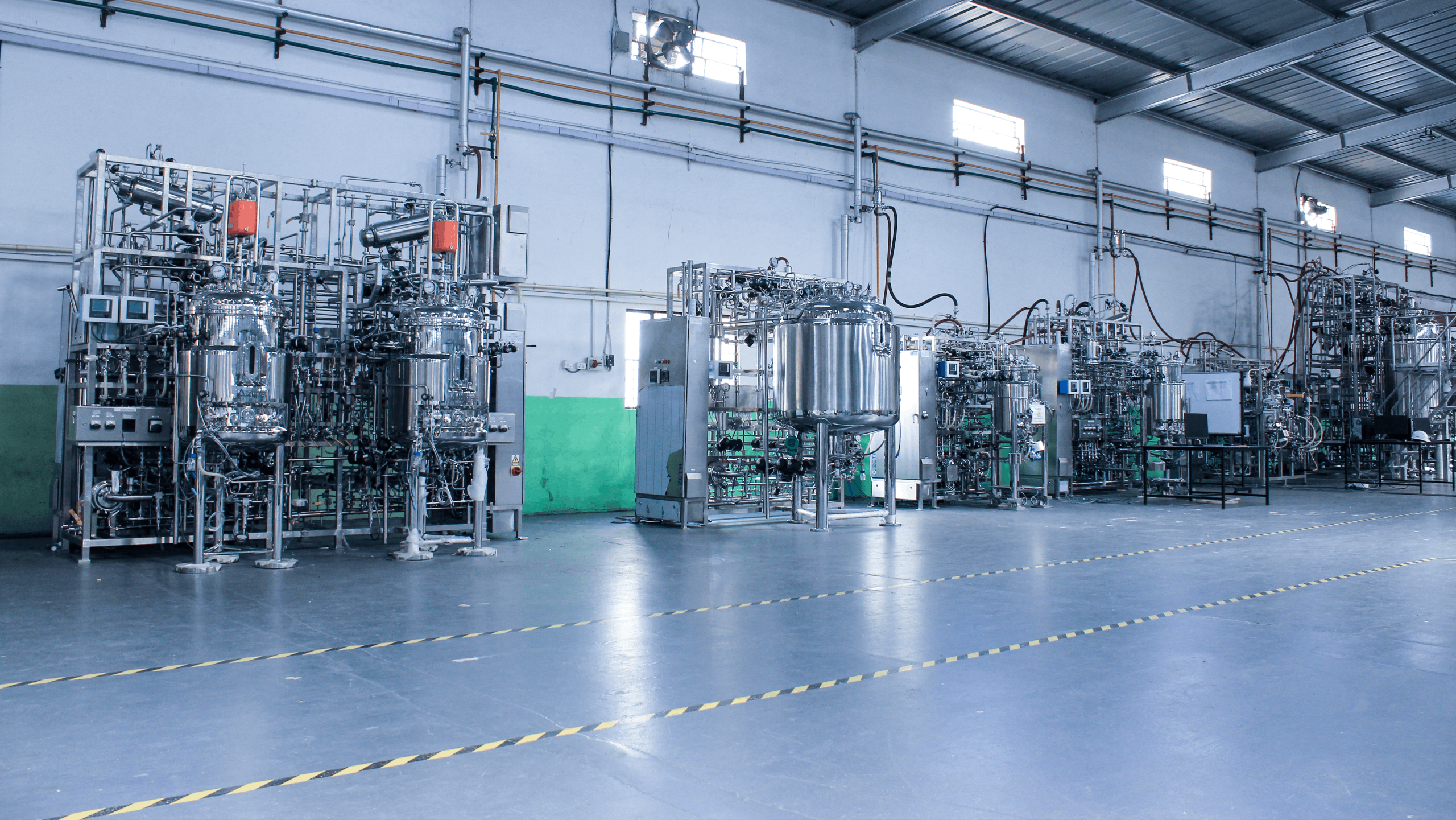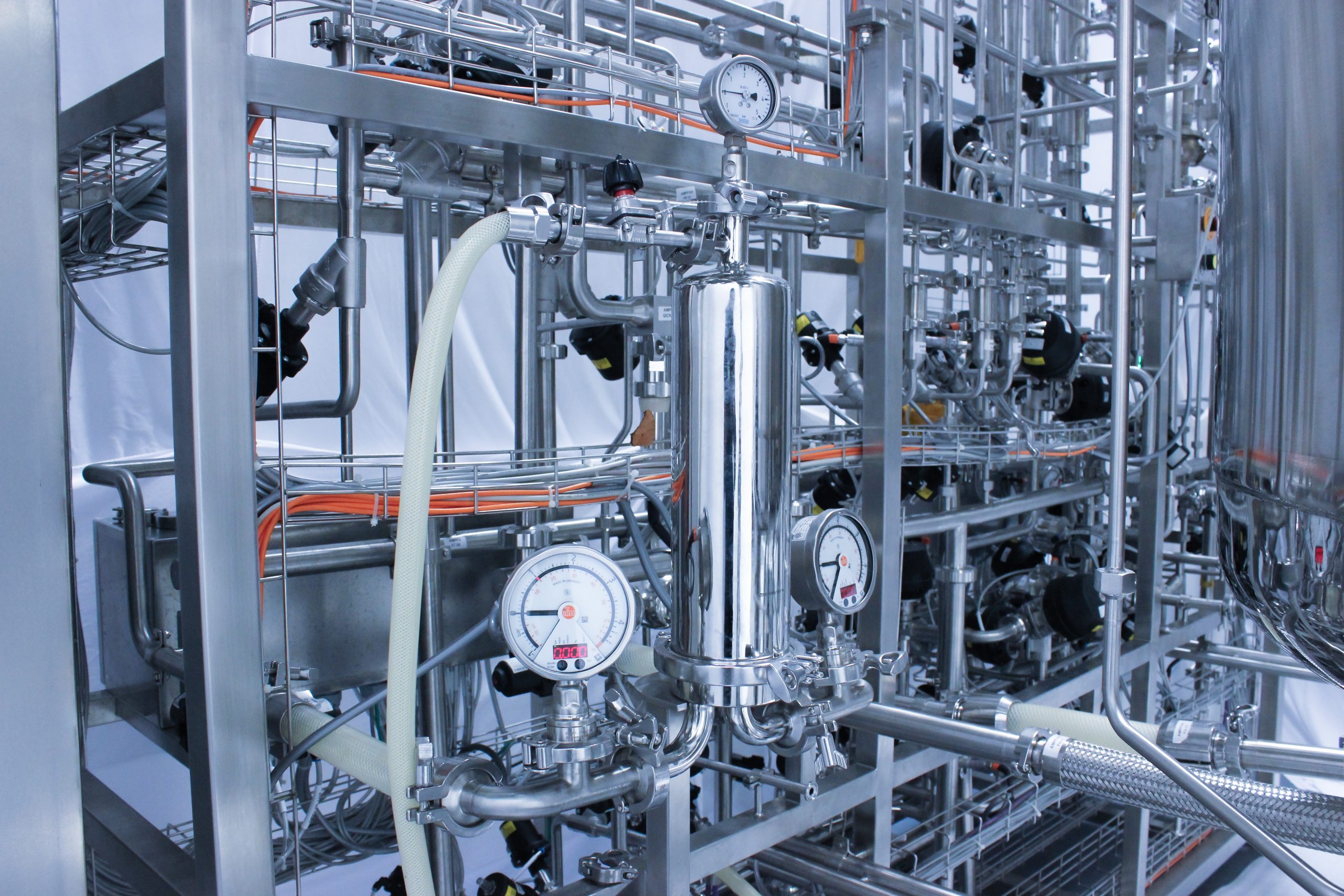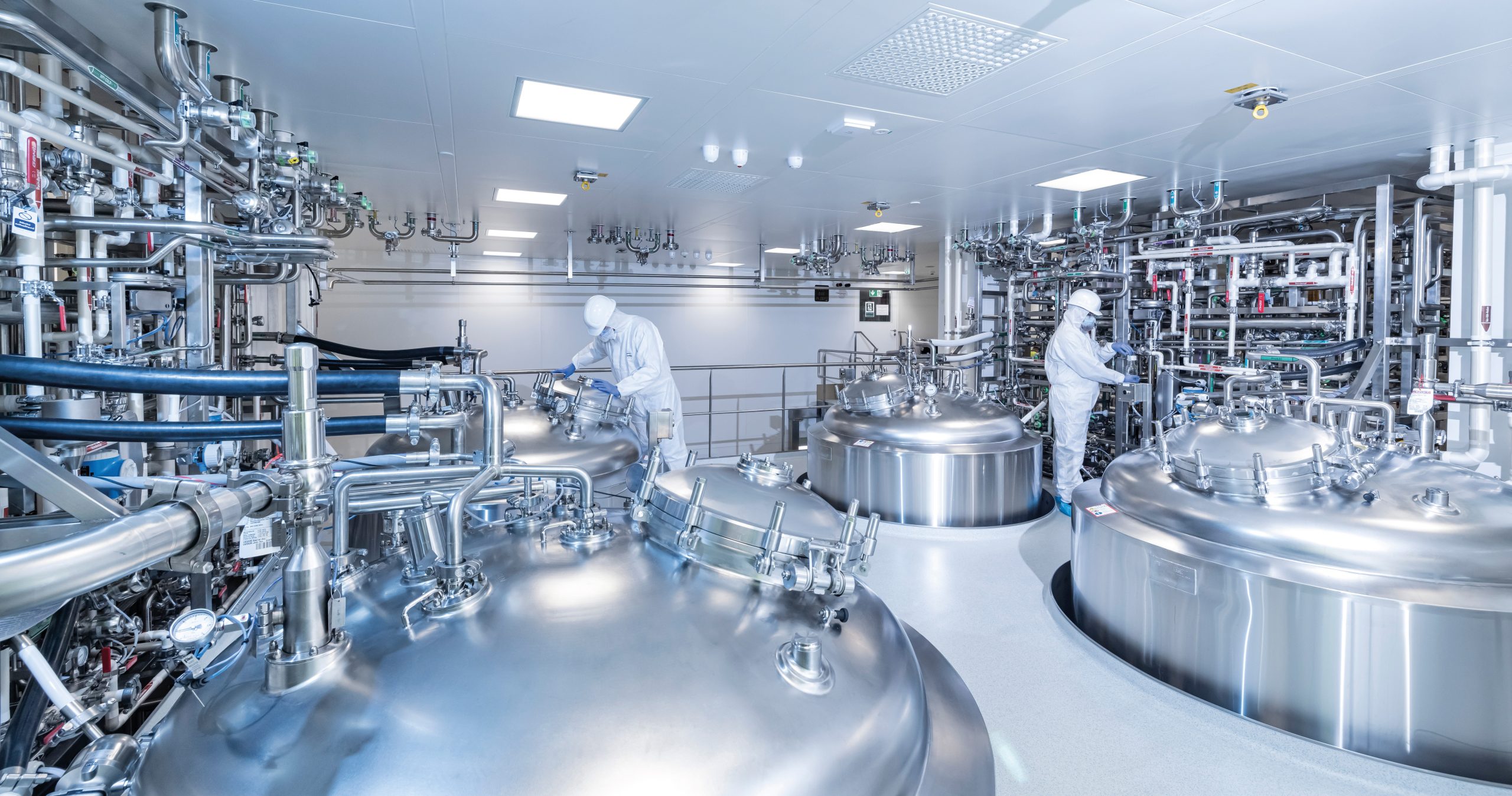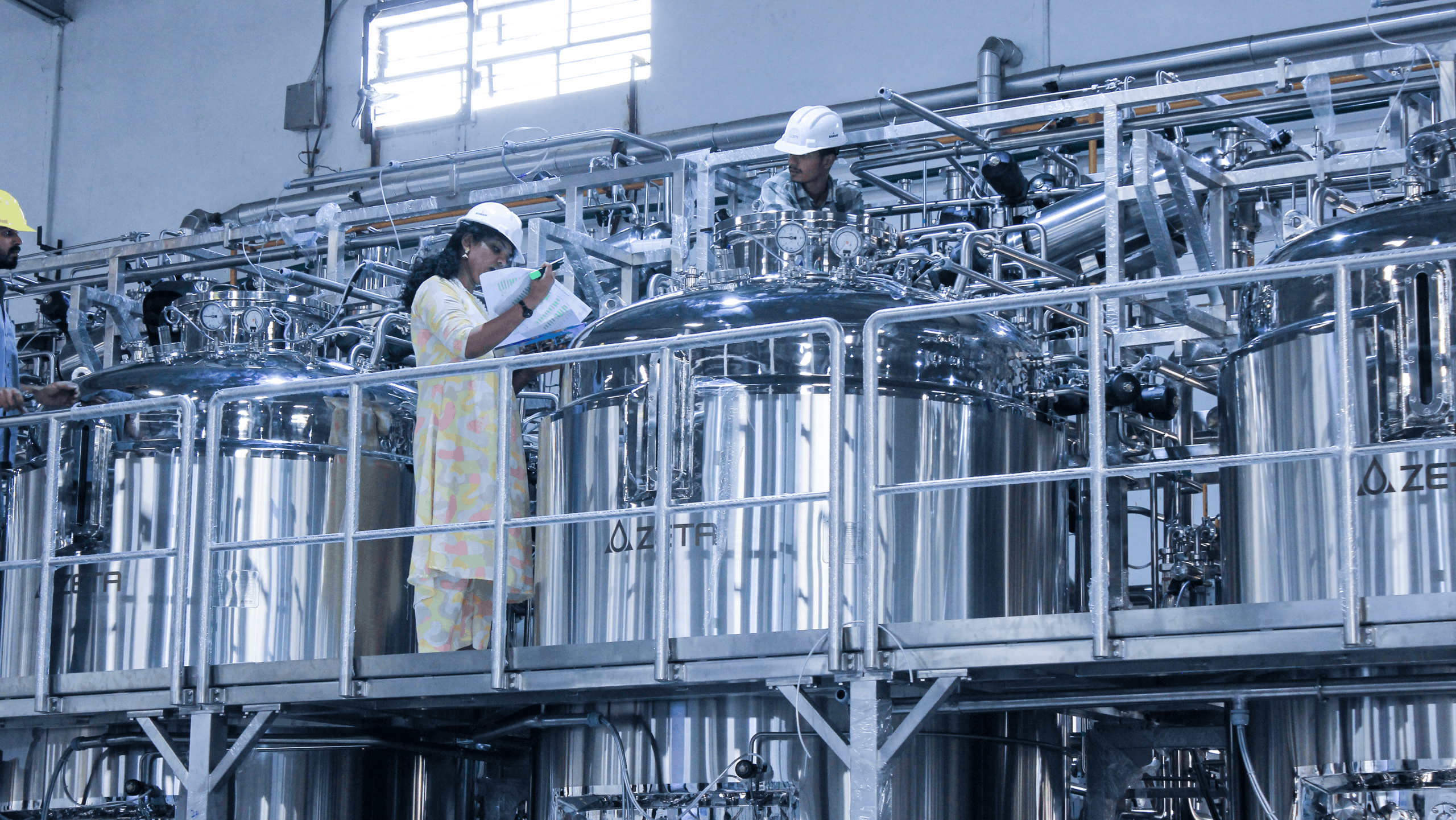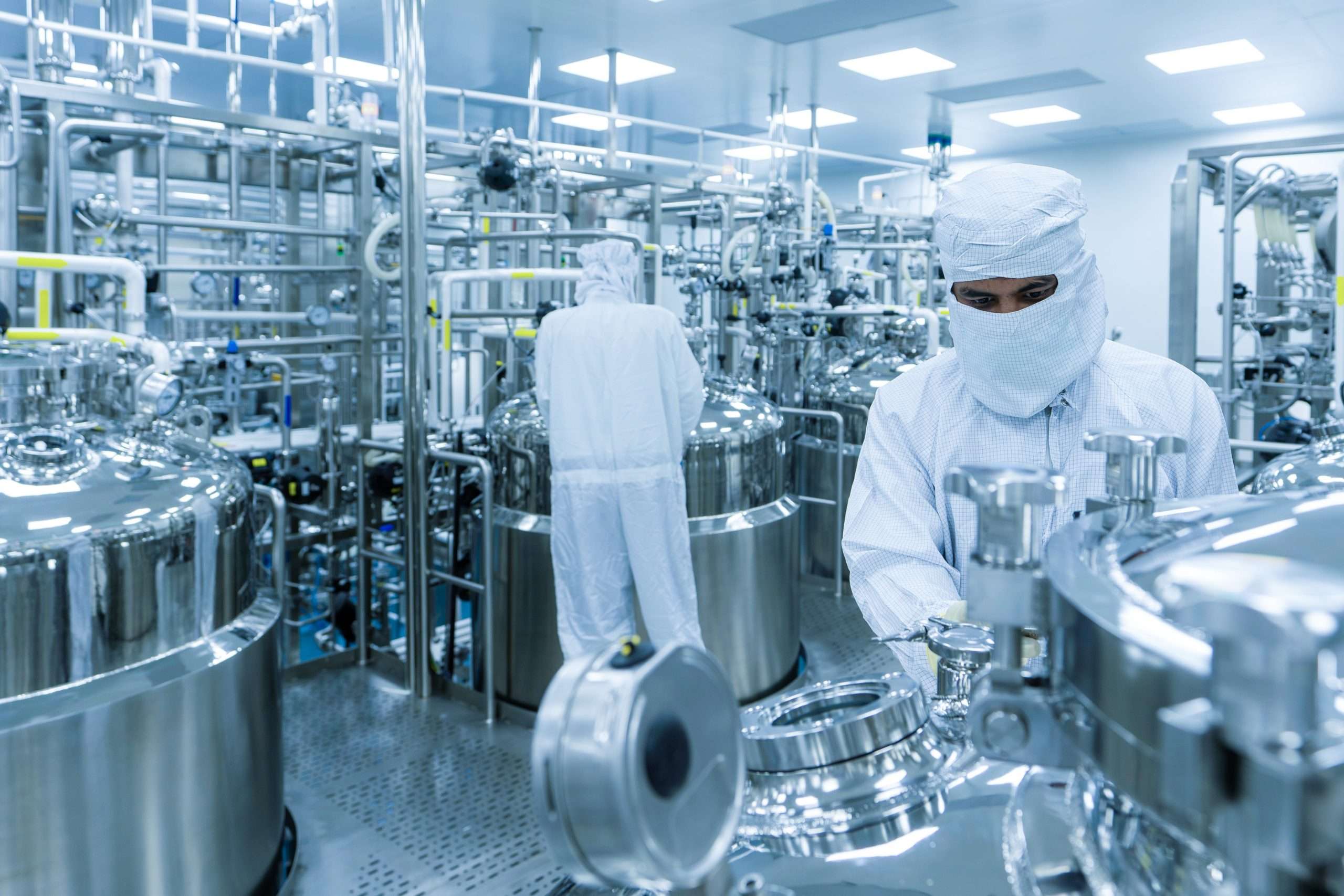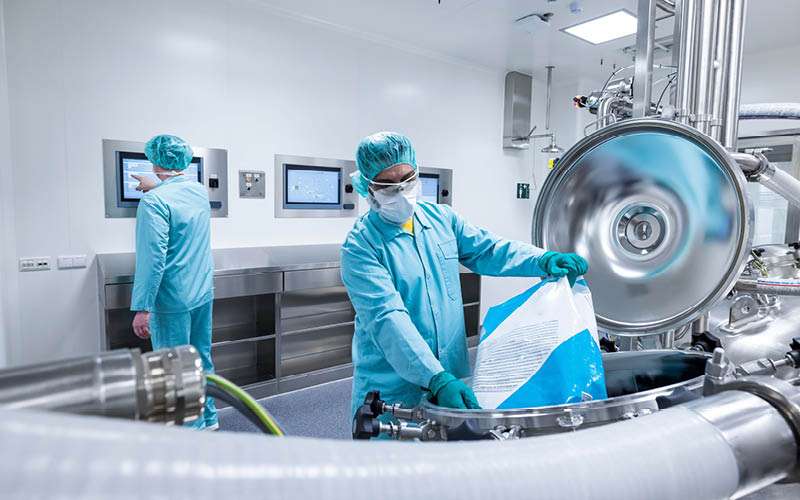
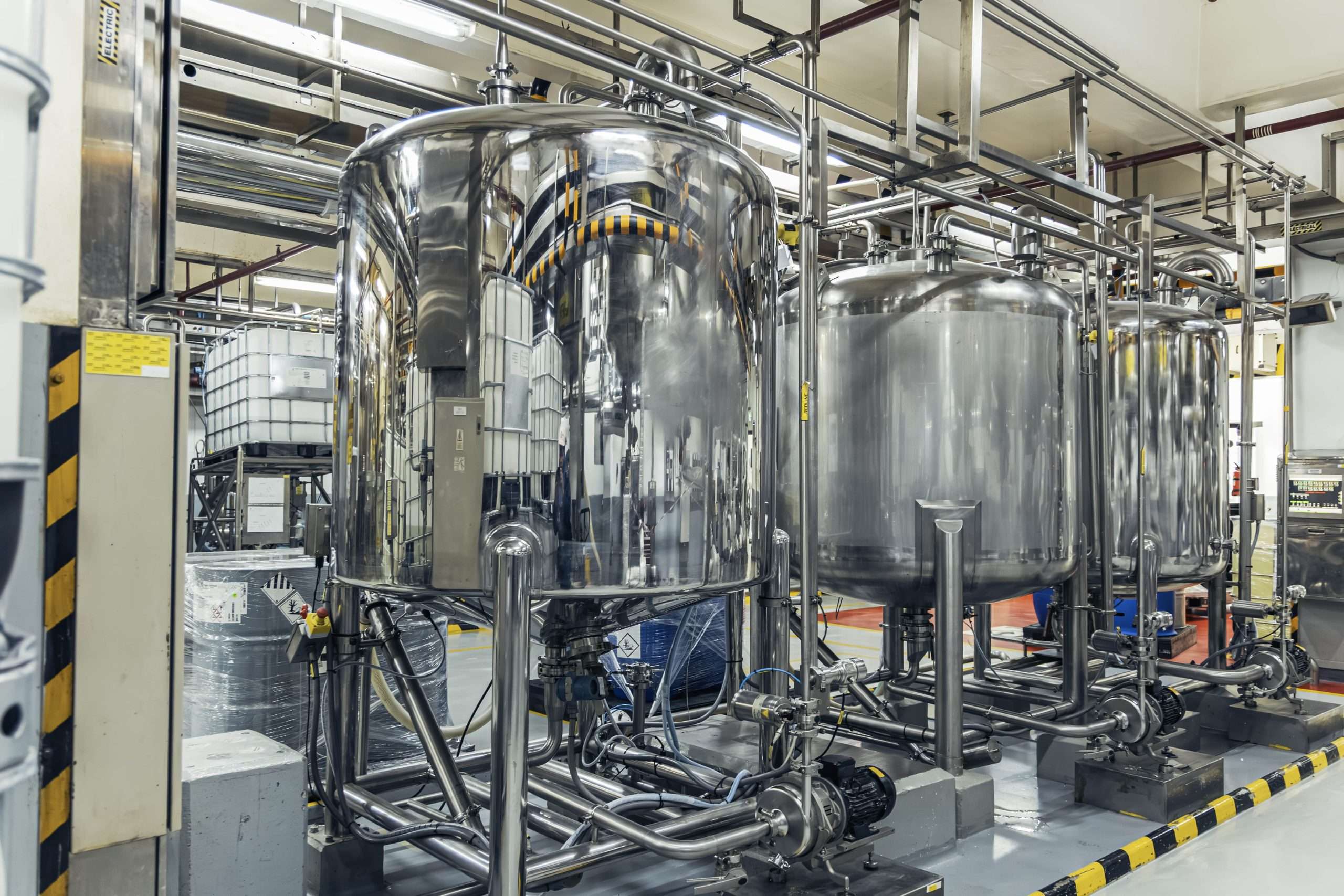
A fermenter may look like a single vessel from the outside, but it is really a system of mechanical, hygienic, and control components working together. Each part plays a role in keeping the culture stable, sterile, and productive—especially as conditions change during growth, feeding, and peak metabolic activity. Understanding the main parts of a fermenter makes it easier to compare designs, troubleshoot performance issues, and specify equipment that matches your process needs.
What is a fermenter?
A fermenter is a controlled vessel used to cultivate microorganisms—such as bacteria, yeast, or fungi—so they can convert feedstocks into valuable products. Unlike a standard tank, it is engineered to maintain stable conditions for growth and production through mixing, temperature control, pH control, and (where needed) aeration and oxygen-transfer. In industrial settings, this control helps keep performance repeatable run-to-run while reducing contamination risk during long production campaigns.
What makes a fermenter especially useful is that it turns a biological process into something you can measure, control, and scale. As biomass increases, oxygen demand, heat generation, and foaming behavior can change quickly—so the vessel and its supporting systems are designed to keep the culture within a defined operating window. That combination of hygienic design and process control is what enables reliable production rather than one-off results.
Key features and benefits of a fermenter include:
- Controlled environment for consistent temperature, pH, and dissolved oxygen
- Scalable mixing and oxygen-transfer to support growth as conditions change
- Lower contamination risk through hygienic design and effective CIP/SIP capability
- Improved repeatability with monitoring, automation, and time-stamped batch data
- Operational efficiency via faster turn-around, easier troubleshooting, and stable performance
Fermenter Vessel and Headplate
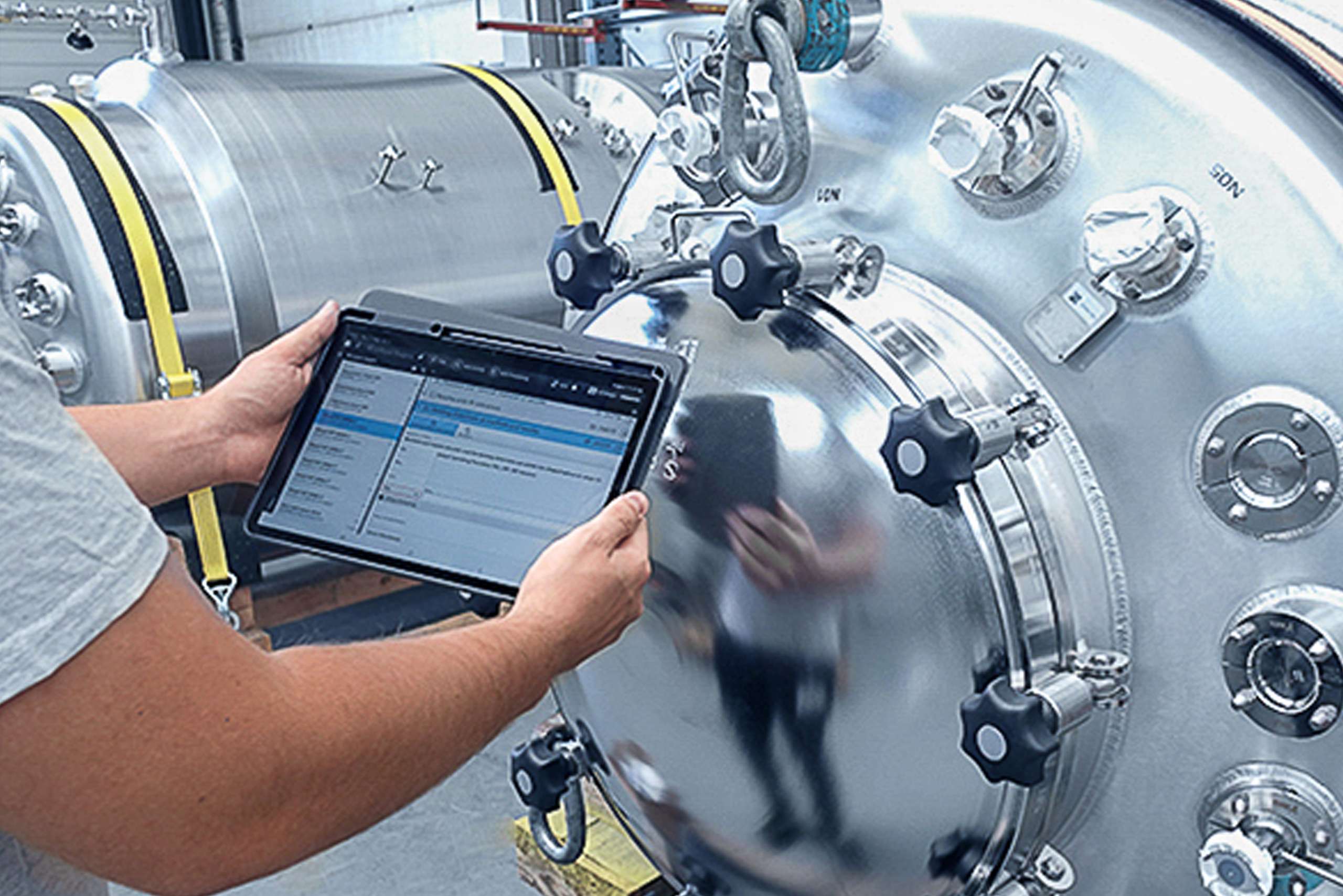
The vessel is the main body of the fermenter, usually made from stainless steel (commonly 316L for many industrial applications). It provides the hygienic containment needed for controlled cultivation and is designed to support cleanability, drainability, and pressure/vacuum ratings (as required). The fermentation vessel geometry—including height-to-diameter ratio—also affects mixing, gas dispersion, and heat-transfer.
The headplate (top plate) or top cover holds critical ports and mechanical connections such as the agitator drive, sensors, gas-inlet lines, and sampling assemblies. A well-designed headplate layout reduces congestion, improves access for maintenance, and helps minimize dead-legs by keeping line runs short and drainable.
Agitator System
The agitator is the mixing assembly that drives uniform conditions in stirred-tank fermenters. It typically includes a motor, gearbox (or direct drive), a shaft, and one or more impellers. The agitator influences mixing time, oxygen-transfer, and gradient control, and it must be sized to match broth viscosity, shear sensitivity, and oxygen demand.
Seals are a key consideration: mechanical seals must prevent leaks and contamination while handling rotation, pressure changes, and sterilization cycles. In industrial designs, the seal arrangement and service access can have a big impact on reliability and turn-around time.
Impellers
Impellers are the mixing elements attached to the agitator shaft. Different impeller styles (for example, Rushton turbines, pitched-blade turbines, or hydrofoils) create different flow patterns and shear profiles. Choosing the right impeller supports stable mixing and gas dispersion without overstressing the culture.
In taller vessels, multiple impeller stages may be used to improve circulation throughout the full working volume. Impeller selection and positioning are often optimized alongside sparger design and baffle arrangement to achieve the required oxygen-transfer.
Baffles
Baffles are vertical strips fixed to the inside wall of many stirred-tank fermenters. Their main job is to prevent the broth from simply spinning as a vortex, which reduces mixing efficiency and gas dispersion. By breaking rotational flow, baffles improve turbulence and help the impeller create more effective circulation.
Baffle design must remain hygienic and cleanable, with smooth welds and appropriate clearances. Poorly designed baffles can create hold-up zones where residues collect, increasing cleaning difficulty and contamination risk.
Sparger and Gas-Inlet System
The sparger introduces gas (typically sterile air, and sometimes oxygen-enrichment) into the broth. Spargers type and placement strongly influence bubble size, gas distribution, and oxygen-transfer performance. In many processes, sparger performance is a key factor in whether dissolved oxygen can be maintained as biomass increases.
The gas-inlet system usually includes sterile filtration, flow control, and sometimes mass-flow controllers for precise delivery. It may also include gas-mixing assemblies when multiple gases are used (air, oxygen, nitrogen, CO₂), depending on the process.
Exhaust and Off-gas Handling
As microorganisms grow in the fermentation vessel, they produce CO₂ (and consume O₂ in aerobic processes). The exhaust or off-gas line removes these gases safely and maintains stable headspace conditions. Off-gas handling often includes sterile filters, condensers, and pressure-control elements.
In more instrumented set-ups, off-gas analyzers measure O₂ and CO₂ to provide insight into metabolic activity. This can support better feed control, earlier detection of process drift, and faster troubleshooting when batches behave differently.
Heat-Transfer System
Fermentation can generate significant heat, especially during rapid growth in the bioreactor. The fermenter’s heat-transfer system removes (or adds) heat to keep temperature stable. This may include vessel jackets, internal coils, or external heat-exchangers, selected based on expected heat-load and allowable temperature deviation.
Stable temperature control protects yield and consistency because even small deviations can change growth-rate and product formation. Heat-transfer design is typically based on worst-case heat-load during peak metabolic phases rather than average conditions.
Instrumentation Ports and Sensors
Sensors provide the measurements needed to control fermentation reliably. Common probes include pH, dissolved oxygen, and temperature, with additional sensors for foam, pressure, level, and (in some set-ups) redox or biomass-related signals.
Good sensor placement matters because probes should represent the bulk broth rather than a stagnant zone. Calibration access, probe service life, and spare probe strategy also influence uptime and data confidence.
Sampling System
A fermenter sampling system allows operators to take representative samples for at-line or off-line analysis (for example, cell density, substrate concentration, or product titre). Hygienic sampling minimizes contamination risk and reduces the chance of introducing variability between operators.
Sampling design should support safe operation, repeatable technique, and effective sterilization between samples. Poor sampling assemblies can become contamination entry points, especially in long fed-batch runs.
Foam-Control System
Foam formation is common in microbial fermentation due to proteins and surfactant-like compounds in the broth. Fermenters often use foam probes to detect foam and automate antifoam dosing. The headspace volume, exhaust sizing, and foam control strategy together influence whether foaming becomes a minor event or a batch-limiting issue.
Overuse of antifoam can also affect oxygen-transfer and downstream processing, so foam control is usually managed carefully—balancing process stability with minimal chemical addition.
CIP/SIP Components
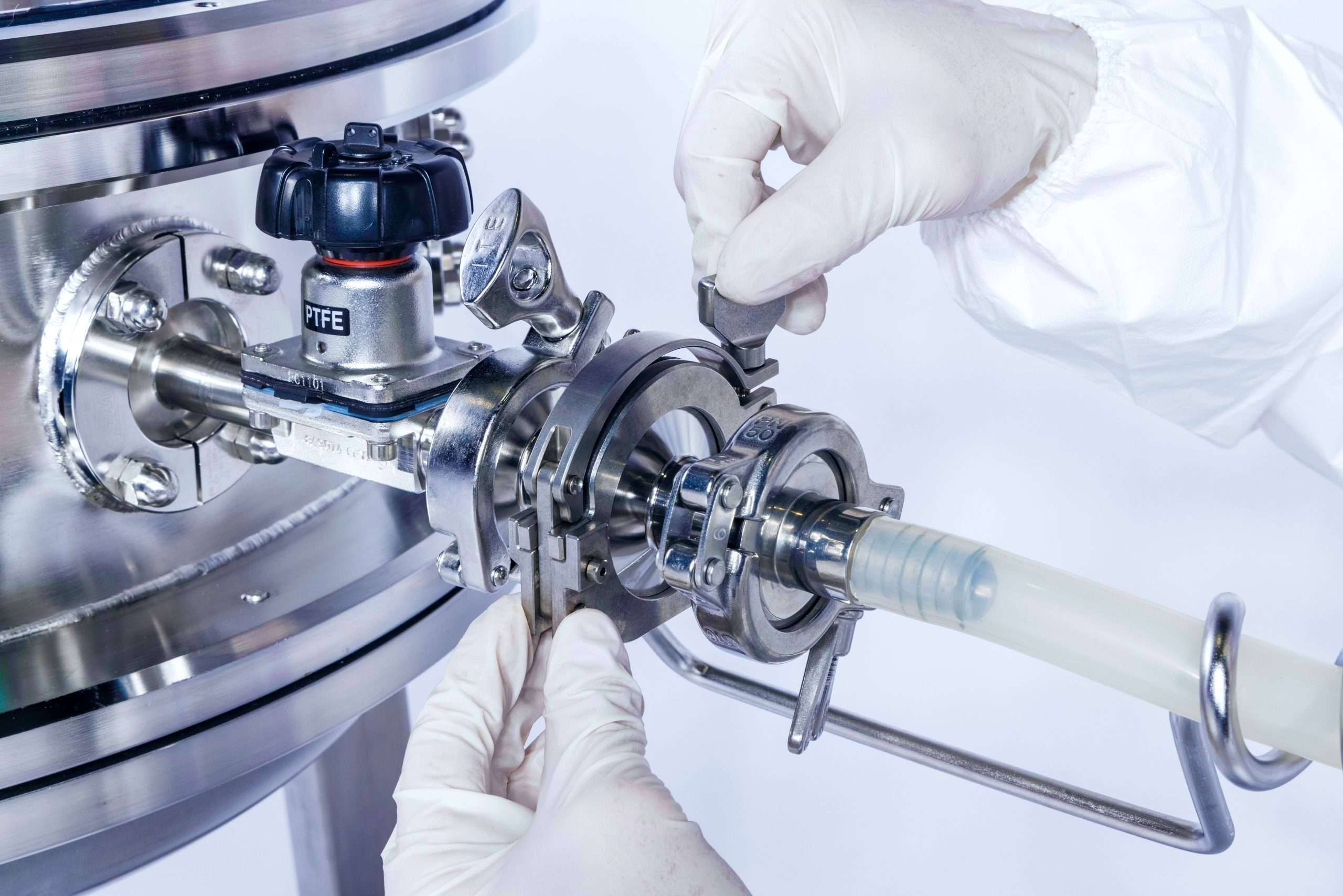
Clean-in-place and sterilization-in-place capability depends on the design of valves, spray devices, drain points, and line routing. A robust CIP/SIP set-up ensures cleaning solutions reach all internal surfaces with the right flow and contact time, and sterilization reaches required conditions throughout the vessel and connected piping.
Drainability and dead-leg control are critical here. If parts of the system do not drain well or remain stagnant, cleaning and sterilization effectiveness can drop—raising contamination risk and increasing turn-around time in the fermentation process.
Control System and Automation
The control system (often PLC/SCADA-based) runs the fermenter through setpoints, recipes, alarms, and interlocks. It coordinates temperature control, pH dosing, dissolved oxygen control, agitation speed, gas-flow, and foam responses. A well-designed automation layer improves repeatability and reduces manual intervention.
Data capture—trends, event logs, and batch reports—also supports investigations and continuous improvement. Over time, better visibility into what happened during a run helps teams refine feeding strategies, prevent recurring deviations, and optimize productivity.
Parts of a fermenter: Final thoughts
A fermenter is a complete system made up of vessel hardware, hygienic flow paths, mixing and gas-transfer components, and instrumentation coordinated by automation. When these parts work together, they keep temperature, pH, and oxygen-transfer within a stable operating window as biomass, foaming, and heat-load change over a run. Understanding each component’s role helps you specify a design that supports cleanability, minimizes dead-legs, and reduces contamination risk. The result is more repeatable performance, faster troubleshooting, and smoother turn-around in day-to-day operation.