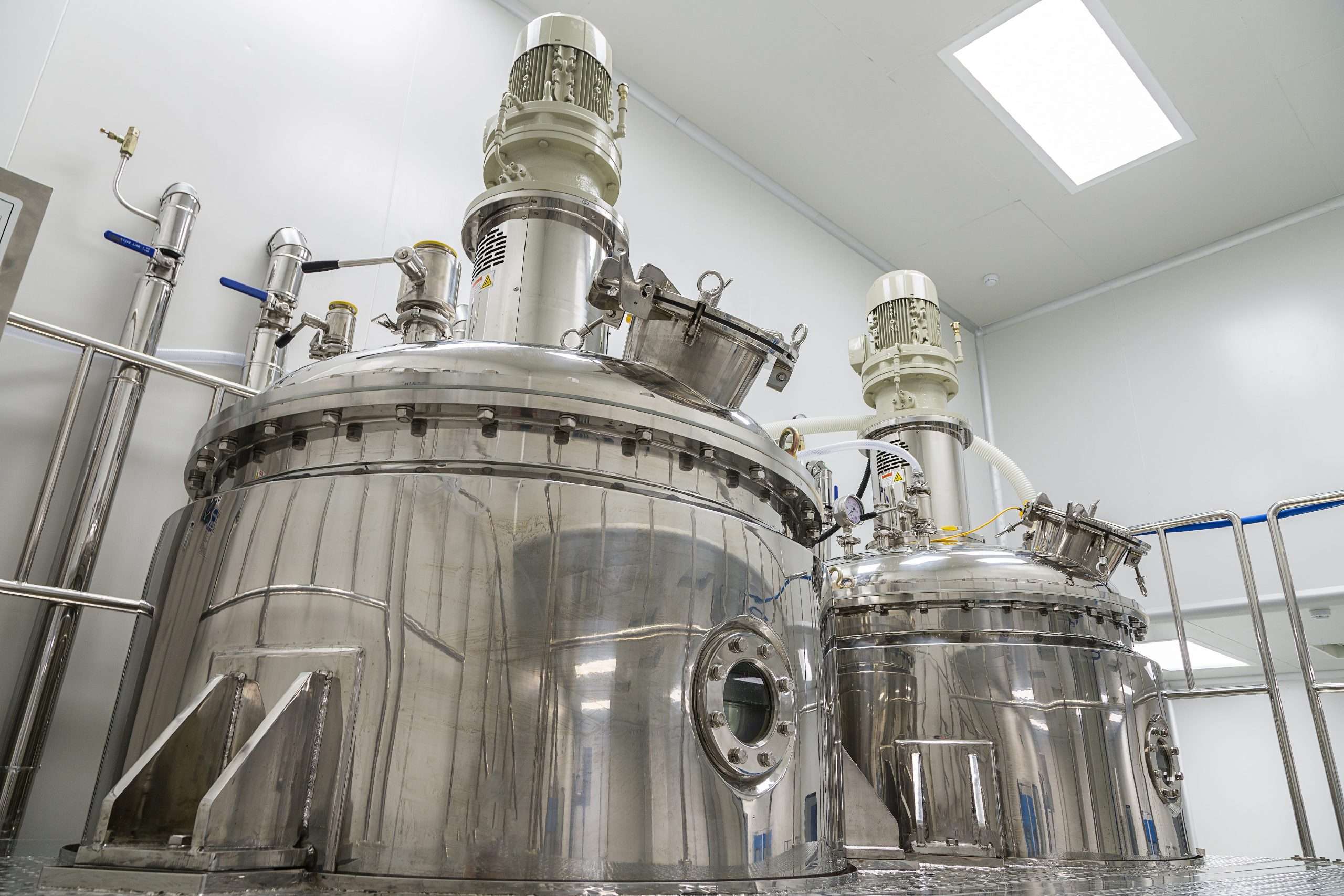
Fermentation is one of the most widely used biological production methods in modern industry, supporting everything from food cultures to industrial chemicals and biofuels. But not all fermentation runs the same way. One of the most important distinctions is whether the microorganisms operate with oxygen (aerobic) or without oxygen (anaerobic).
Understanding the difference between aerobic and anaerobic fermentation helps you predict equipment needs, operating costs, and the kinds of products you can make. It also explains why two fermenters that look similar can be specified very differently—because oxygen-transfer, gas-management, heat-removal, and control strategy change dramatically depending on the metabolism you’re driving.
What Is Aerobic Fermentation?
Aerobic fermentation is a widely used industry term for microbial production in the presence of oxygen, where the microorganism may require oxygen to grow and/or produce the target compound efficiently. In these runs, oxygen availability becomes a key parameter, because the fermenter must continuously supply oxygen and transfer it into the liquid so cells can use it.
In practice, “aerobic fermentation” often describes microbial cultivation that is strongly oxygen-limited if the system is not designed correctly. That is why aerobic fermentations typically rely on vigorous mixing, effective sparging, and tight dissolved-oxygen control. Common aerobic production organisms include many bacteria and fungi used for enzyme production, organic acids (for example, acetic acid in specific pathways), and certain bio-based intermediates.
What Is Anaerobic Fermentation?
Anaerobic fermentation refers to processes where microorganisms grow and produce products without oxygen. In true anaerobic operation, oxygen is excluded because it inhibits the organism, reduces productivity, or shifts metabolism away from the desired product.
Anaerobic fermentation does not mean “no gas-management.” Instead of oxygen supply, the focus is often on maintaining an oxygen-free environment (often using inert gas blanketing) and managing the gases that the culture produces (commonly CO₂, and in some processes hydrogen). Many classic fermentation products—such as ethanol and some organic acids—are produced in anaerobic or oxygen-limited conditions, depending on organism and pathway.
How Aerobic and Anaerobic Fermentation Work (High-level)
Both aerobic and anaerobic fermentation start with the same fundamentals: microorganisms are cultivated in a controlled vessel, supplied with a nutrient feedstock (substrate), and maintained at stable temperature and pH. The difference is how cells generate energy and how the process is engineered to support that metabolism.
- In aerobic systems, oxygen acts as a key input that enables high-energy metabolism and, often, fast growth. The fermenter must supply enough oxygen fast enough, which is why oxygen-transfer capacity is frequently the design constraint.
- In anaerobic systems, cells rely on alternative pathways that do not require oxygen. The fermenter must prevent oxygen ingress and manage by-products and gases that build up as metabolism continues.
Key Differences Between Aerobic and Anaerobic Fermentation
Oxygen requirement and gas strategy
In aerobic fermentation, oxygen is a production-critical input. The system must provide sterile air (or oxygen-enrichment) and achieve sufficient oxygen-transfer into the broth while maintaining a stable dissolved-oxygen setpoint. This usually drives higher gas-flow, higher agitation, and careful sparger selection.
In anaerobic fermentation, the priority is oxygen exclusion. Systems may use inert gas (for example, nitrogen) to purge the vessel and maintain an oxygen-free headspace. Gas-handling focuses on removing produced gases safely and preventing pressure build-up, rather than delivering oxygen.
Mixing and agitation intensity
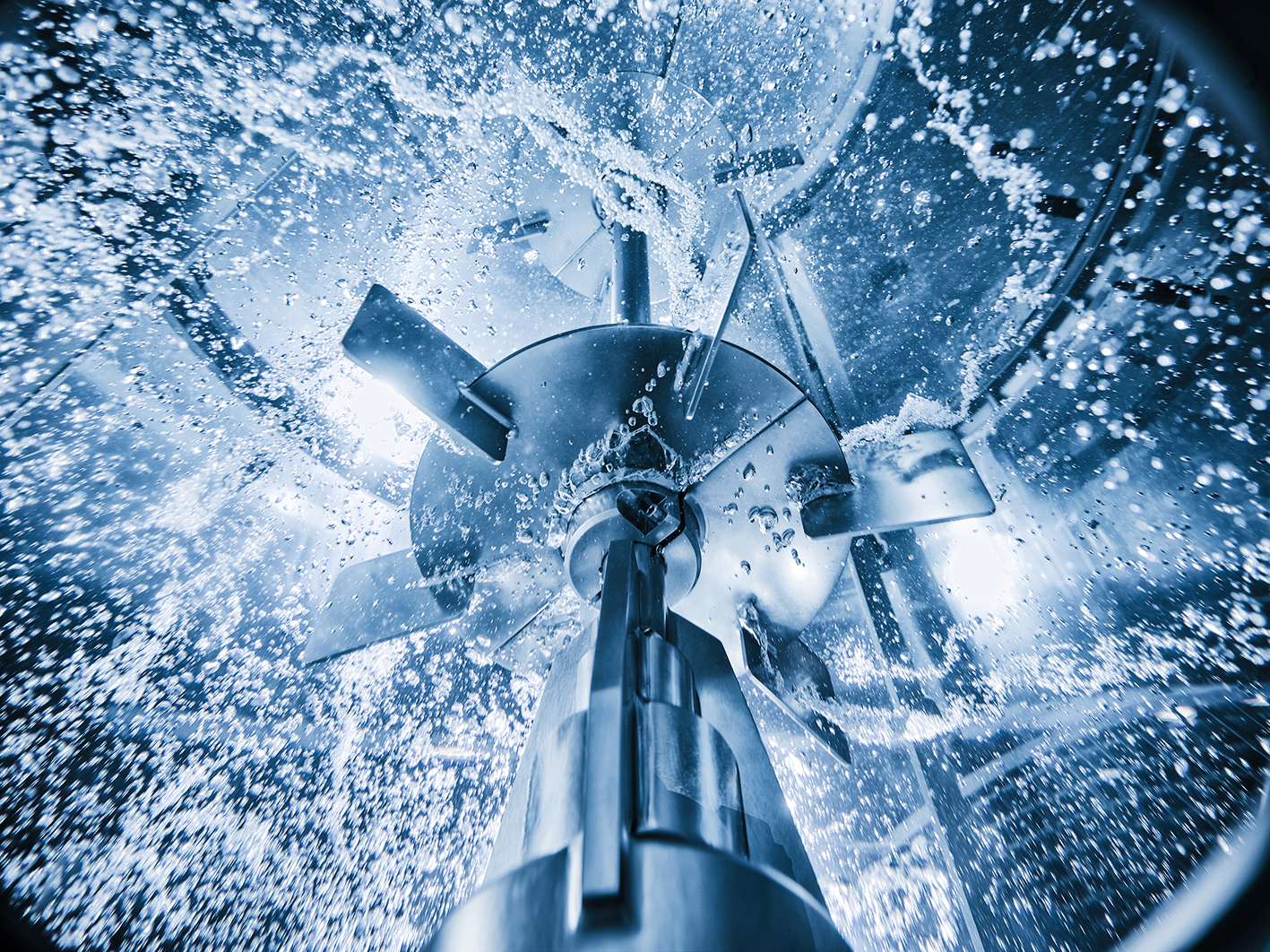
Aerobic fermentations often need stronger agitation because mixing improves oxygen-transfer, reduces gradients, and helps maintain stable dissolved oxygen. Impeller choice, agitation speed, and baffle design are tuned to deliver adequate mass-transfer without causing excessive foam or damaging sensitive cultures.
Anaerobic fermentations often operate with lower agitation needs (process-dependent), because oxygen-transfer is not the limiting factor. Mixing is still important for uniform nutrient distribution and temperature stability, but the power input can be lower—particularly if the broth is less demanding.
Heat-load and temperature control
Aerobic processes can generate significant metabolic heat, especially during high-density growth, because oxygen-supported metabolism can be highly active. This can make heat-removal a major design driver at scale, requiring well-sized jackets, coils, or external heat-exchangers.
Anaerobic processes may have lower heat-load in some cases, but temperature control remains essential. Even small deviations can change growth-rate and product formation, so stable temperature control is still part of basic fermenter design.
Product profiles and typical outcomes
Aerobic fermentation is common for products associated with biomass growth and oxidative metabolism, including many enzymes, fungal metabolites, and certain organic acids (organism-dependent). Aerobic conditions can support high productivity when oxygen-transfer is sufficient, and they are frequently used when rapid cell growth is part of the production strategy.
Anaerobic fermentation is often used for products formed under oxygen-free metabolism—classically ethanol and other reduced compounds. A familiar example is yeast converting sugars into alcohol and carbon dioxide during beverage production (for example, beer), where the breakdown of substrates can contribute to aroma and taste. Some processes are “microaerobic” or oxygen-limited rather than strictly anaerobic, where a small amount of oxygen can influence yield and by-product formation.
Control priorities and operational risks
Aerobic fermentation tends to prioritize dissolved-oxygen control, foam control, and off-gas handling at higher flows. The most common operational bottleneck is oxygen-transfer limitation, which can cause slower growth, altered metabolism, and reduced yield.
Anaerobic fermentation prioritizes oxygen ingress prevention, stable pH control, and removal of produced gases. The most common risks include oxygen leaks (which can inhibit anaerobes), gas build-up, and inhibition from accumulated products (for example, ethanol at high concentration).
Benefits and Limitations
Benefits of aerobic fermentation
- Can support fast growth and high productivity for many microbial products.
- Often delivers high titres for enzyme and biomass-linked products when oxygen-transfer is adequate.
- Broad organism options and well-established stirred-tank operating strategies.
Limitations: higher energy use for agitation and aeration, higher foaming risk, and more demanding heat-removal and off-gas capacity.
Benefits of anaerobic fermentation
- Can be simpler on aeration hardware because oxygen is not supplied.
- Often lower power demand for agitation (process-dependent).
- Enables production of oxygen-free pathway products that are not favored aerobically.
Limitations: requires strict oxygen exclusion, can face product inhibition, and may need careful gas safety and venting design.
Common Applications
Aerobic fermentation applications
- Enzyme production (many industrial enzymes)
- Organic acids and intermediates (process-dependent)
- Fungal and bacterial biomass cultivation
- Certain food ingredients and cultures where oxygen supports growth phases
Anaerobic fermentation applications
- Ethanol production and other fermentation fuels
- Solvents and reduced metabolites (organism-dependent)
- Certain food fermentations where anaerobic metabolism supports preservation and can contribute to the flavor
- Alcohol and carbon dioxide formation in beverage pathways (for example, beer)
- Anaerobic digestion-like processes (adjacent category) focused on gas production and waste conversion
How to Choose Between Aerobic and Anaerobic Fermentation
If you are selecting a process route (or specifying a fermenter), the best choice is driven by biology and product requirements rather than equipment preference. Use these checkpoints to guide decisions.
What organism and pathway are you using?
Some microorganisms are obligate aerobes (require oxygen), while others are obligate anaerobes (inhibited by oxygen). Many are facultative, meaning they can switch metabolism depending on oxygen availability. Start by confirming what your organism needs to produce the target compound efficiently.
What is the oxygen-transfer requirement?
If the process is aerobic, oxygen-transfer capacity often dictates vessel type, impeller configuration, sparger selection, and gas-flow strategy. If oxygen demand is high, plan for oxygen-enrichment and adequate off-gas capacity early, because retrofitting is rarely simple.
What are the cost and utility constraints?
Aerobic fermentation can be more utility-intensive due to compressed air, sterile filtration, agitation power, and heat-removal load. Anaerobic fermentation can reduce some of those requirements, but may introduce additional needs around inert gas, vent handling, and gas safety.
What are the main process risks?
For aerobic processes, risk usually centers on oxygen limitation, foam events, and heat-removal bottlenecks. For anaerobic processes, risk often centers on oxygen ingress, gas build-up, and product inhibition. Your control strategy (instrumentation, alarms, and response logic) should reflect the dominant risks.
What is the downstream impact?
Aerobic systems can introduce more antifoam use and higher gas throughput, which can influence downstream steps. Anaerobic systems may produce higher concentrations of certain products that are inhibitory or require different separation strategies. Align upstream conditions with downstream recovery early to avoid surprises.
Conclusion
Aerobic and anaerobic fermentation use the same core principle—controlled microbial cultivation—but they differ in oxygen requirement, equipment emphasis, and operational risks. Aerobic fermentation depends on reliable oxygen-transfer and typically demands stronger aeration, mixing, and heat-removal capacity. Anaerobic fermentation focuses on oxygen exclusion and safe, stable management of produced gases and inhibitory products. By matching your organism and product pathway to the right oxygen strategy, you can specify a fermenter that delivers consistent performance and efficient scale-up.