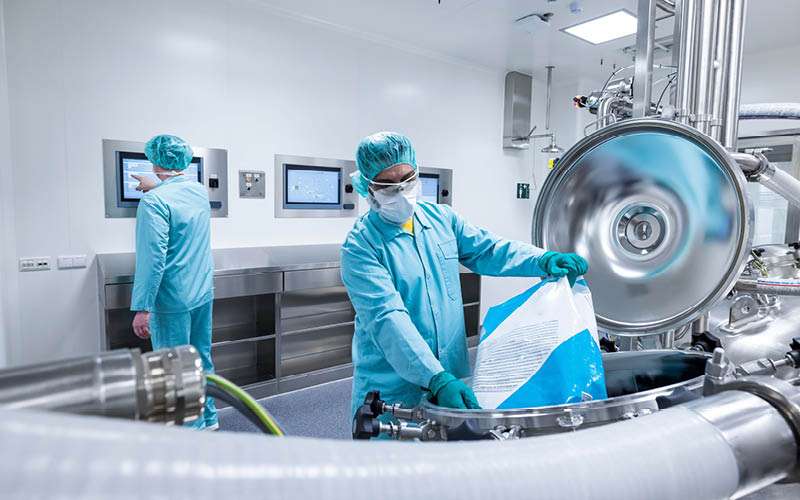
India’s biopharmaceutical industry is entering a new phase of expansion. Beyond its established leadership in vaccines and biosimilars, the country is now investing across advanced modalities, including monoclonal antibodies, cell and gene therapies, plasma products, and emerging mRNA platforms.
For Indian biopharma manufacturers and CDMOs, this diversification creates both opportunity and complexity. Facilities designed for one modality must now adapt to others, while global regulatory expectations and export ambitions demand consistent engineering standards.
The challenge is clear: How can Indian biopharma companies build and scale capabilities across multiple modalities without fragmented infrastructure or repeated redesign?
ZETA India supports this transition with integrated engineering and automation solutions tailored to the distinct needs of each therapeutic platform – enabling Indian manufacturers to expand confidently across modalities.
Blood plasma products: Expanding domestic capability and self-reliance
India’s demand for plasma-derived therapies continues to rise, driven by immunology, critical care, and rare disease treatment needs. At the same time, the country is strengthening domestic plasma processing capacity to reduce dependence on imports.
How can plasma fractionation and purification achieve global-grade consistency within India’s evolving regulatory and supply landscape?
ZETA delivers precisely engineered media supply and refrigeration systems that stabilise fractionation, filtration, and thawing processes. These controlled environments enable Indian plasma facilities to meet international quality and safety standards while scaling local production.
Cell and gene therapies: India moving from research to translation
India’s academic and biotech ecosystem is rapidly advancing cell and gene therapy research, with increasing momentum toward clinical and commercial manufacturing. The transition from lab-scale innovation to GMP production, however, remains a major hurdle.
How can India scale cell and gene therapy manufacturing while preserving sterility, reproducibility, and regulatory compliance?
ZETA India enables this shift through flexible stainless-steel and single-use production platforms for viral vector manufacturing, cell expansion, and cryopreservation. These systems allow Indian innovators and CDMOs to translate advanced therapies into scalable, compliant production.
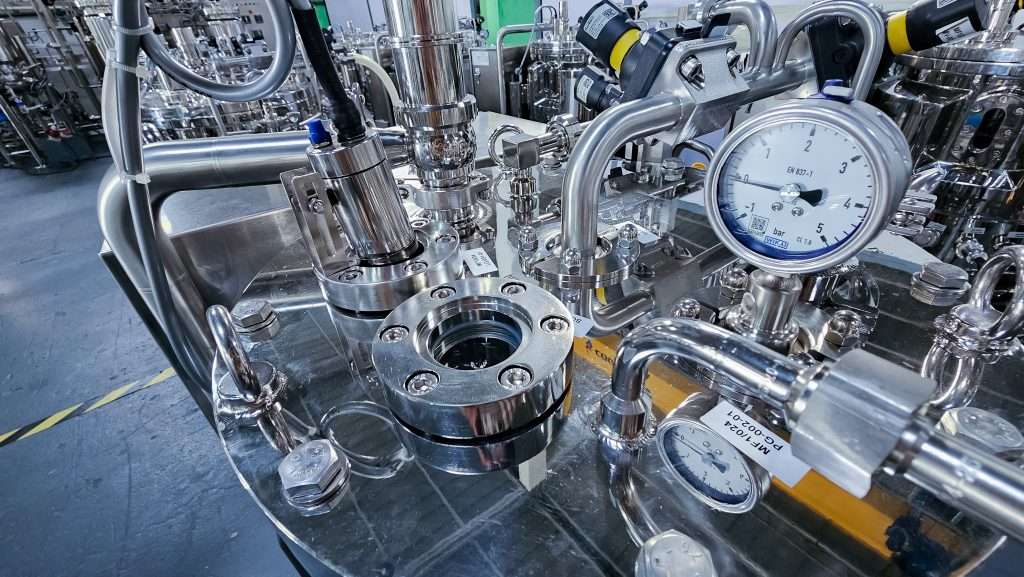
Recombinant proteins and peptides: Strengthening competitive biologics manufacturing
India has long been a major producer of recombinant therapeutics, from insulin to growth factors. As global competition intensifies, manufacturers are focusing on yield improvement, cost efficiency, and reliable scale-up.
How can Indian recombinant facilities increase productivity without compromising process stability or regulatory acceptance?
ZETA India provides integrated upstream-to-downstream engineering with optimised media supply and process control. This approach improves yield and consistency, supporting India’s role as a competitive global supplier of recombinant therapeutics.
Monoclonal antibodies: Scaling India’s biosimilar leadership
India is a global hub for biosimilar monoclonal antibodies, with expanding domestic capacity and export-oriented manufacturing. As facilities scale, maintaining culture stability and downstream precision becomes more complex.
How can large-scale mAb production in India maintain consistent quality as volumes expand and markets grow?
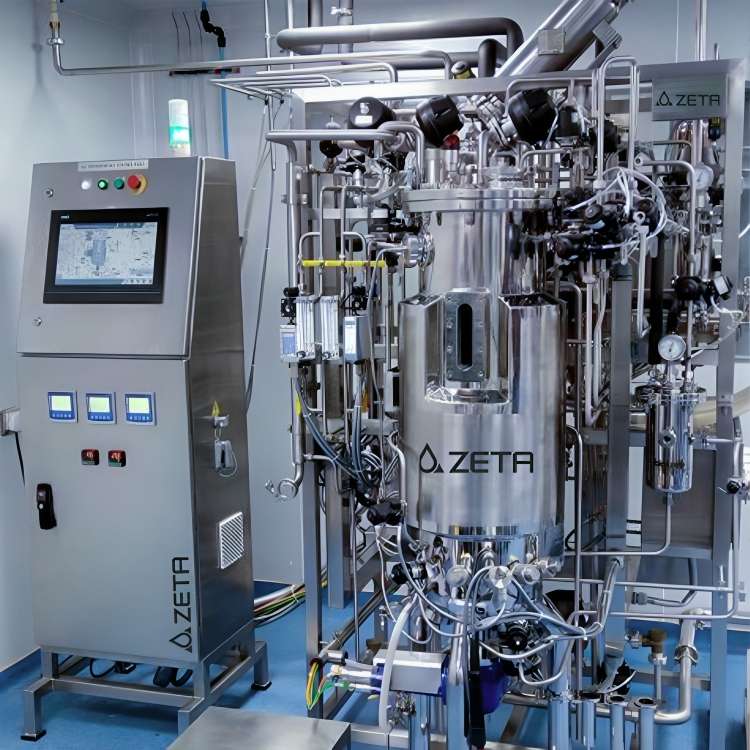
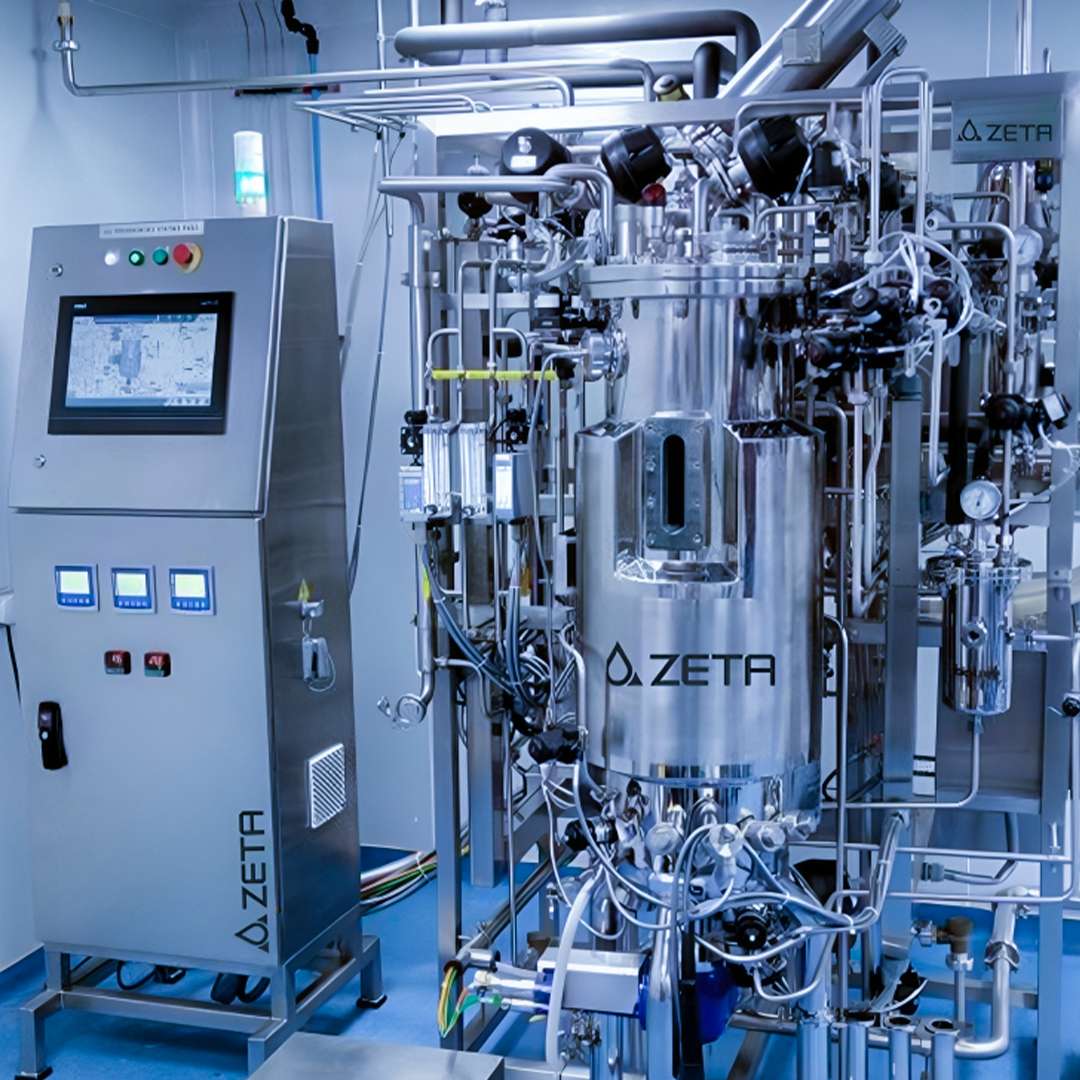
ZETA India supports mAb manufacturing with scalable bioreactor systems and advanced media supply engineering that stabilise cell culture and downstream workflows. This enables Indian producers to meet stringent international standards while expanding capacity.
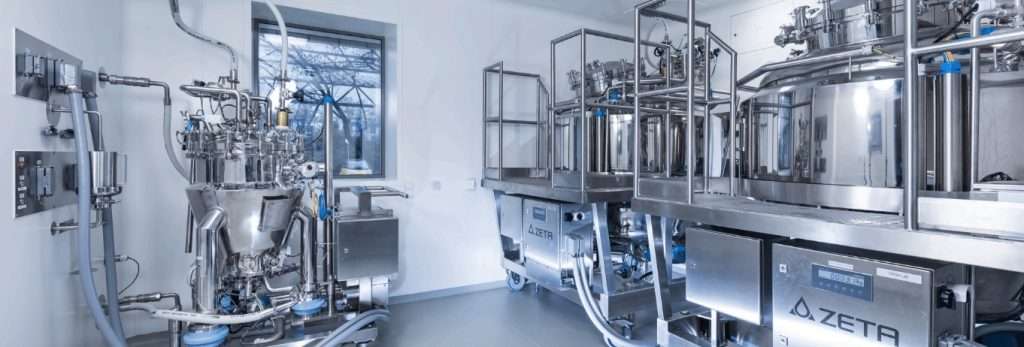
Antibody–drug conjugates: Entering high-potency oncology manufacturing
India’s oncology manufacturing sector is moving toward high-potency therapies such as ADCs, driven by global outsourcing demand and domestic innovation. These therapies introduce unprecedented containment and safety requirements.
How can Indian facilities safely handle highly potent ADC payloads while ensuring product integrity and workforce protection?
ZETA India delivers closed OEB5/OEB6 containment systems with controlled freezing and packaging technologies. These engineered containment solutions allow Indian manufacturers to enter high-potency ADC production with confidence.
Vaccines and parenterals: Sustaining India’s global supply role
India remains one of the world’s largest vaccine producers and a critical supplier of sterile injectables. Post-pandemic, the focus has shifted to resilient capacity, advanced platforms, and reliable cold-chain infrastructure.
How can India maintain aseptic reliability and cold-chain integrity across large-scale vaccine and parenteral manufacturing?
ZETA India designs sterile plant concepts with integrated automation, emulsion processing, and cold-chain control – enabling consistent, high-volume sterile production aligned with global regulatory expectations.
mRNA therapeutics: Building India’s next platform capability
India is actively developing mRNA technology for vaccines and therapeutics, supported by government initiatives and private investment. Establishing an integrated mRNA manufacturing infrastructure is now a national priority.
How can India build robust mRNA production workflows that maintain quality from sequence design to final formulation?
ZETA India provides integrated solutions that link DNA preparation, transcription, purification, and formulation in controlled GMP environments. These platforms support rapid scale-up and technology transfer for emerging Indian mRNA programs.
Integration Across Modalities: Enabling India’s Biopharma Expansion
As Indian companies diversify pipelines and enter new therapeutic platforms, the central engineering challenge is integration – supporting multiple modalities within a unified facility and quality framework.
ZETA India delivers end-to-end engineering, automation and lifecycle management across the full spectrum of biopharmaceuticals – from plasma-derived products to advanced mRNA technologies.
This integrated approach allows Indian manufacturers and CDMOs to expand into new modalities without redesigning or reengineering their core manufacturing infrastructure, accelerating both domestic capability and global competitiveness.
Engineering India’s Multimodality Biopharma Future
India’s biopharma industry is transitioning from modality specialisation to multimodality capability. Success will depend on the ability to translate diverse therapeutic sciences into reliable, scalable manufacturing.
From strengthening plasma self-reliance to enabling mRNA platforms, ZETA India provides the engineering depth and integrated infrastructure required to support every biopharma modality in India.