
India’s pharmaceutical manufacturing sector is experiencing rapid growth, reinforcing its position as the “pharmacy of the world.” According to the EY-Parthenon–OPPI report, pharma exports reached $27.85 billion in FY 2023–24, nearing the $30 billion mark. The domestic industry is now valued at nearly $60 billion and is projected to grow at 9–11% in 2026.
Growth Drivers
India ranks third globally in pharmaceutical production by volume, supplying 20% of the world’s generic medicines and around 60% of global vaccine demand. The industry is expected to reach $120–130 billion by 2030, driven by rising lifestyle diseases, expanding global demand, and India’s established strength in generics and vaccines.
Additional momentum comes from the rapid rise of CRDMOs (Contract Research, Development, and Manufacturing Organisations) and supportive government policies, including 100% FDI in greenfield pharma projects, which are accelerating manufacturing expansion across the country.
Seizing Growth Through Smart Engineering
While India’s pharma surge creates immense opportunities for new plants and capacity expansions, turning laboratory breakthroughs into profitable industrial-scale production remains a major challenge.
Biopharma innovations — from novel biologics to advanced therapies — demand seamless scale-up in an environment already facing capacity and infrastructure bottlenecks. Without careful planning, companies risk delays, cost overruns, regulatory setbacks, and suboptimal yields.
This is where early-stage engineering becomes critical. It serves as the foundational blueprint that connects biological science with robust physical processes — de-risking capital investments and unlocking long-term profitability.
“A lot of times, a strain you’ve cultivated will perform well and produce biological products at small flask scale, but the moment you put it into a larger reactor, entirely different dynamics are at play.”

Corporate Head of Project Development at ZETA

What Early-Stage Engineering Entails
Early-stage engineering bridges lab-scale biotech innovation and industrial production, aligning biological processes with equipment and facility design. It typically includes:
- Concept design
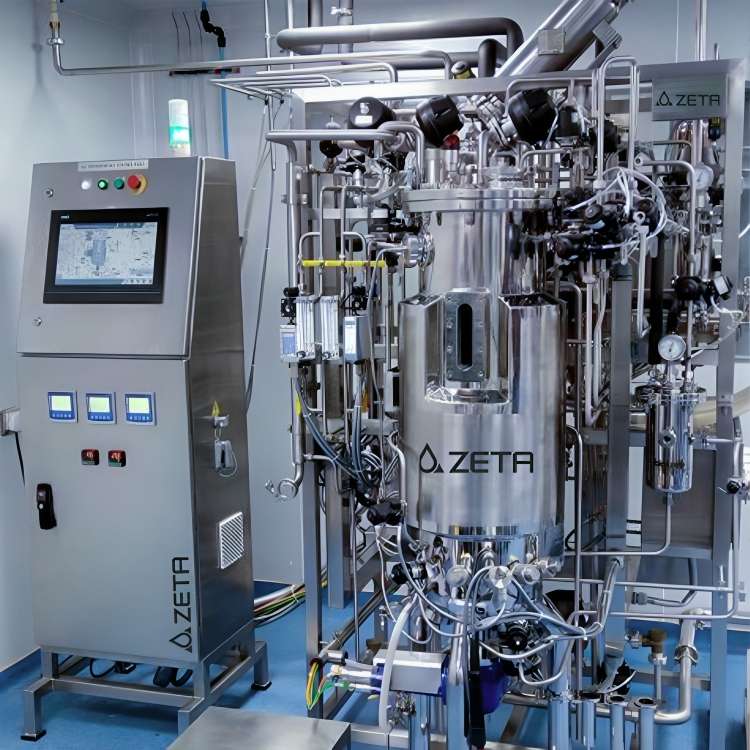
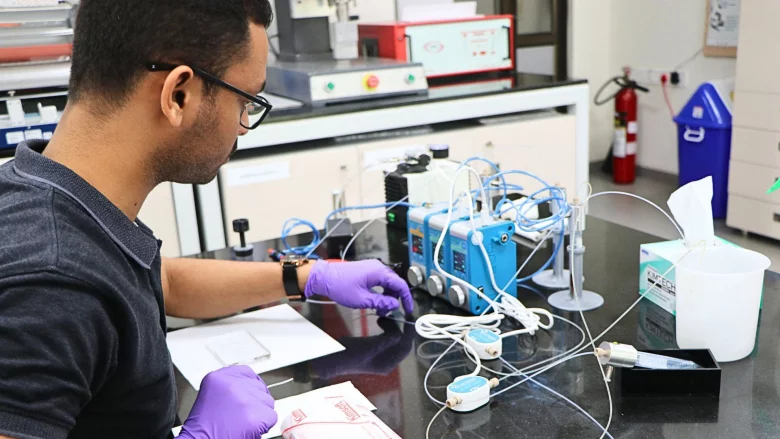
- Process scale-up from lab to pilot plants (50–200 L scale)
- Interpretation of the process output data as a foundation for business case development
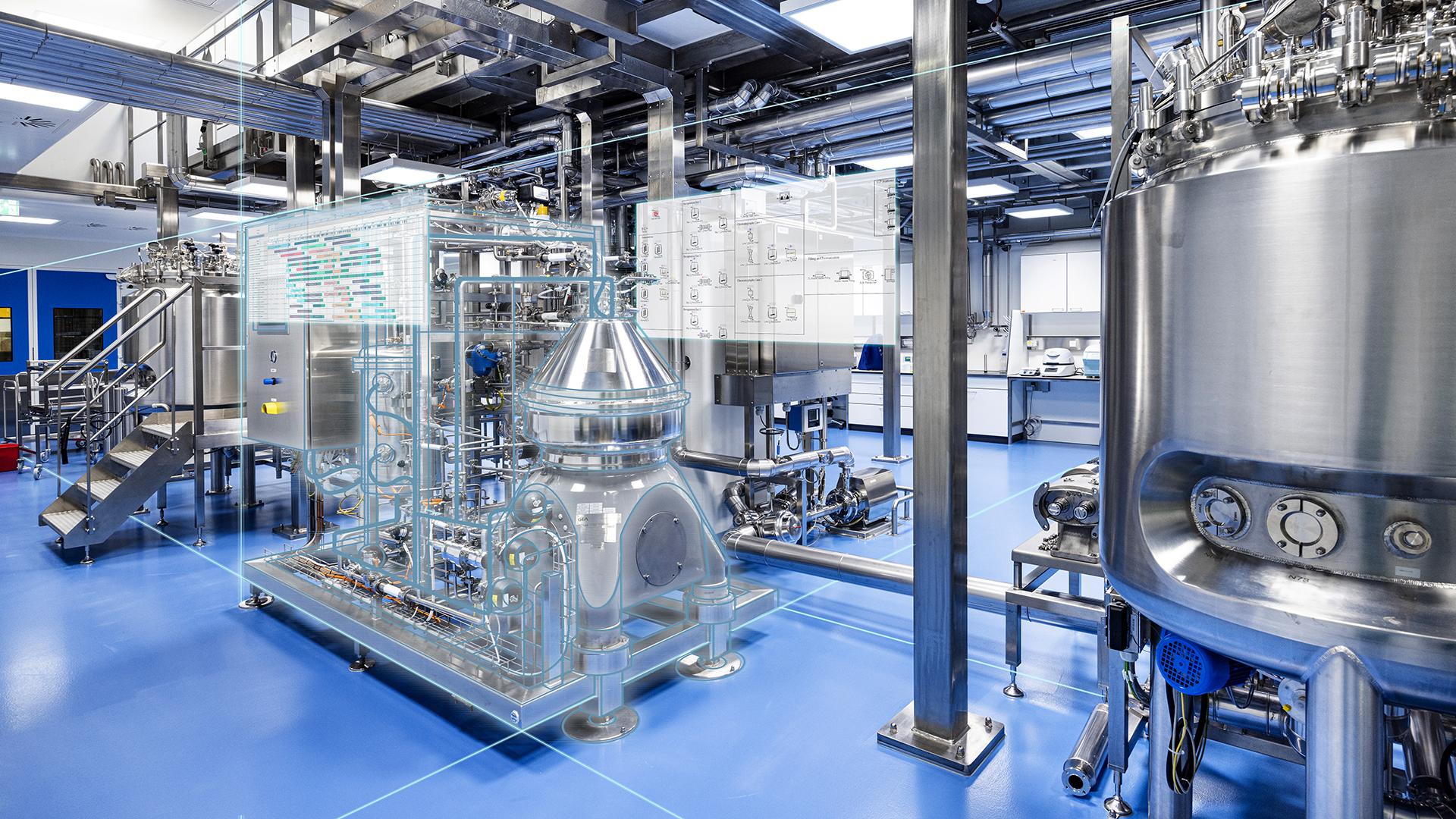
Key technical activities involve pilot bioreactor studies to define critical process parameters (CPPs), digital simulations and process modelling (digital twins), and technology selection, such as choosing stirred-tank reactors over shake flasks or disc-stack centrifuges for downstream processing.

Core Components of Early-Stage Engineering
Process Development
Optimising strains, understanding environmental effects on cells, and translating biological behaviour into equipment-driven process physics.
Scale-Up Studies
Pilot plants evaluate oxygen transfer (kLa), power input, mixing, and other CPPs that directly impact yield and quality — for example, scaling performance from a 120 L reactor to a 20,000 L bioreactor while maintaining consistency.
Facility Planning
Integrated engineering across process and utilities (often ~50% of total effort), along with HVAC, cleanroom strategy, and key CAPEX decisions such as single-use vs. stainless steel systems.
Risk Mitigation
Value engineering, Process Analytical Technology (PAT), and techno-economic analysis help lock in layouts, technologies, and timelines early — when changes are still affordable.
Risks of Weak Early-Stage Engineering
Neglecting early-stage engineering can derail pharma projects before they even begin.
Mismatches between biological processes and physical equipment often cause lab-developed strains to fail at scale due to unforeseen hydrodynamic and mass-transfer effects. Conceptual mistakes made during the earliest project phases — when only ~1% of the budget is spent — can ultimately influence up to 80% of total project costs, leading to redesigns, delays, and escalating CAPEX.
Without pilot validation, key factors like oxygen transfer and mixing remain unoptimised, resulting in low yields, quality issues, and commercially unviable operations.
Advantages of Strong Early-Stage Engineering
Robust early-stage engineering directly improves business outcomes by:
- Reducing scale-up risks
- Shortening time-to-market
- Lowering the total cost of ownership
- Avoiding costly late-stage design changes
- Ensuring profitable operating conditions before full-scale investment
Pilot data also supports clinical supply, strengthens MSAT (Manufacturing Science & Technology) capabilities, and creates a reliable technical foundation for long-term commercial operations.
The Economic Impact
Decisions made at this stage have a disproportionate impact on both investment and operating costs. Evaluating factors such as multi-product versus single-product facilities, automation levels, and energy strategies can significantly influence project viability.
With McKinsey estimating the global “biorevolution” to unlock up to $4 trillion in economic value between 2030 and 2040, the opportunity is enormous — but only for companies that can scale efficiently. Poor scale-up transitions remain one of the biggest reasons promising biologics fail commercially.
ZETA India as Your Engineering Partner

For companies planning new facilities or expansions amid India’s pharma boom, ZETA India delivers integrated engineering from project initiation to plant ramp-up, offering the expertise needed to convert opportunity into operational success.
The team specialises in:
- Aseptic and biopharma process engineering
- Pilot-to-industrial scale-up
- Sustainable and decarbonised facility design
With a strong presence in Bengaluru and proven experience in delivering biotech facilities worldwide, ZETA India helps clients minimise risks, optimise CAPEX, and accelerate time-to-market — building facilities that are not just compliant, but commercially successful.