Bioprocess technology is one of the quiet forces behind products people rely on every day—from life-saving medicines to everyday foods, from safer waste-water treatment to renewable fuels. What makes it powerful is not one single tool, but a repeatable way to use biology as a production engine: cultivate living cells, guide their cellular metabolism, and recover the target output at the right purity and quality. Put simply, bioprocess can be explained as using living cells or their components as a manufacturing platform for desired products—at scale, under control.
What “Bioprocess Technology” Means in Practice
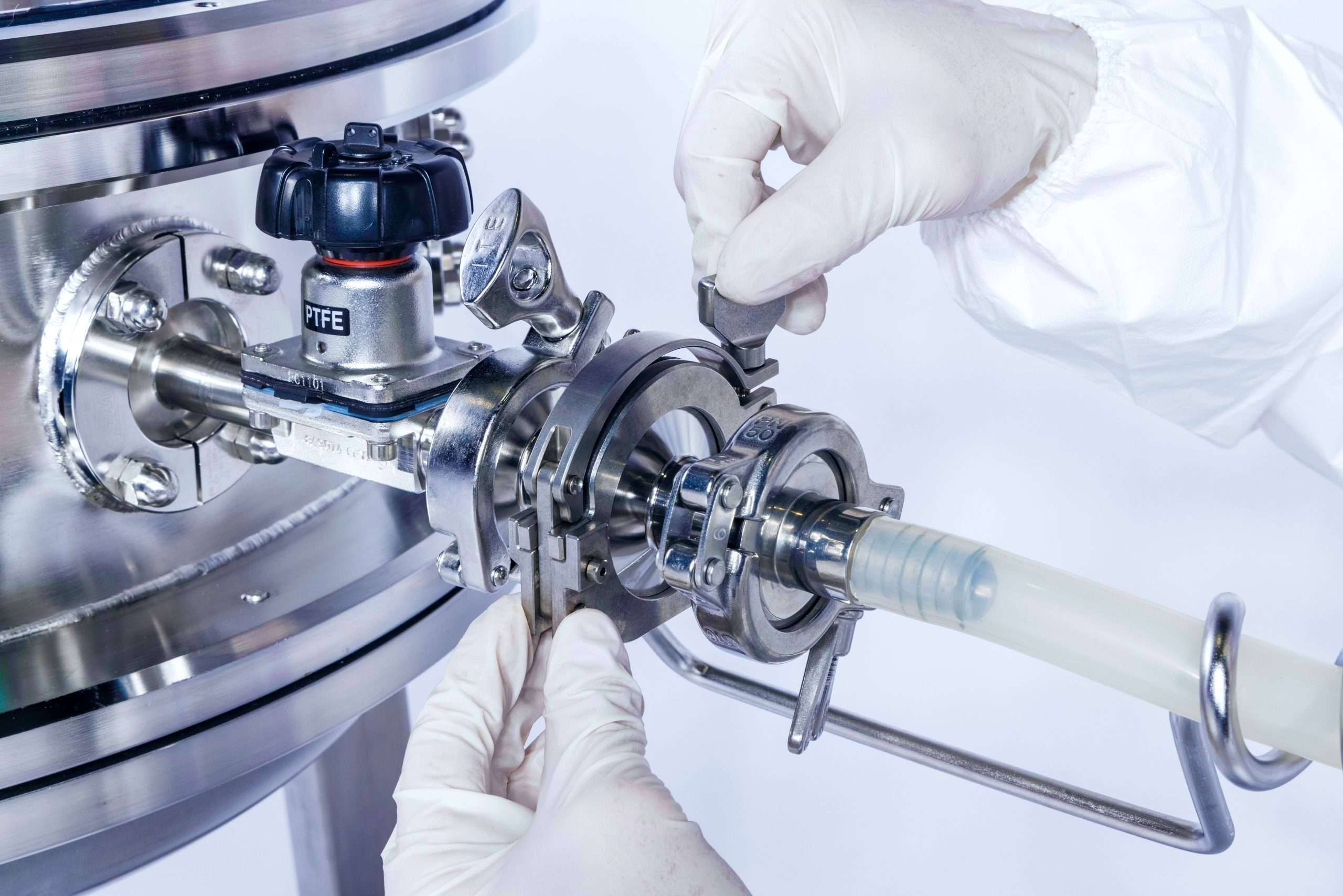
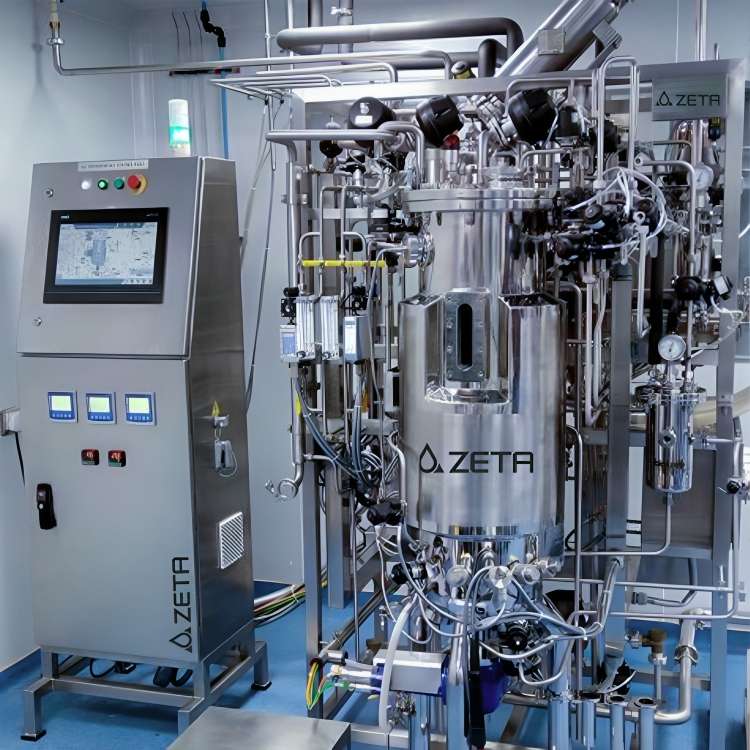
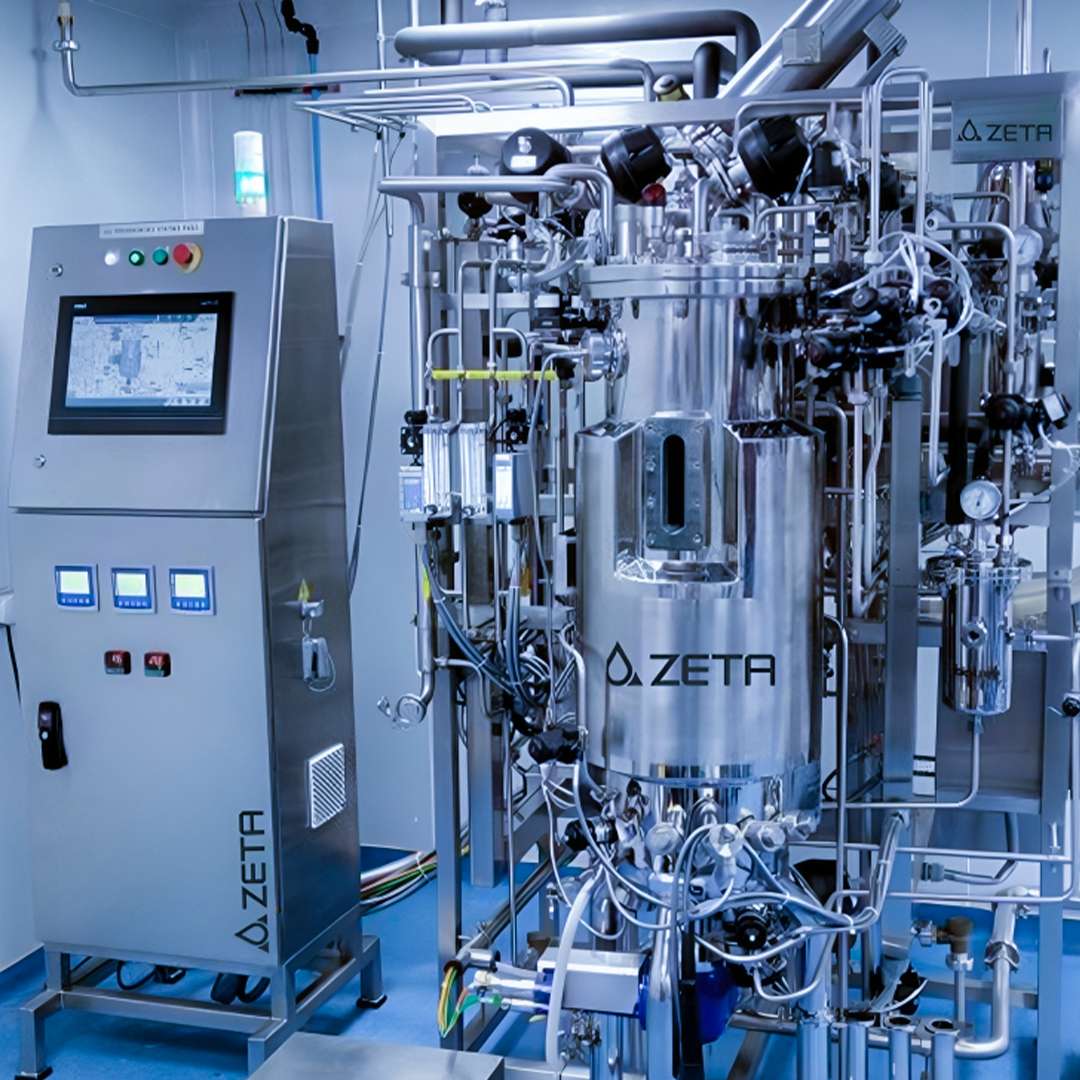
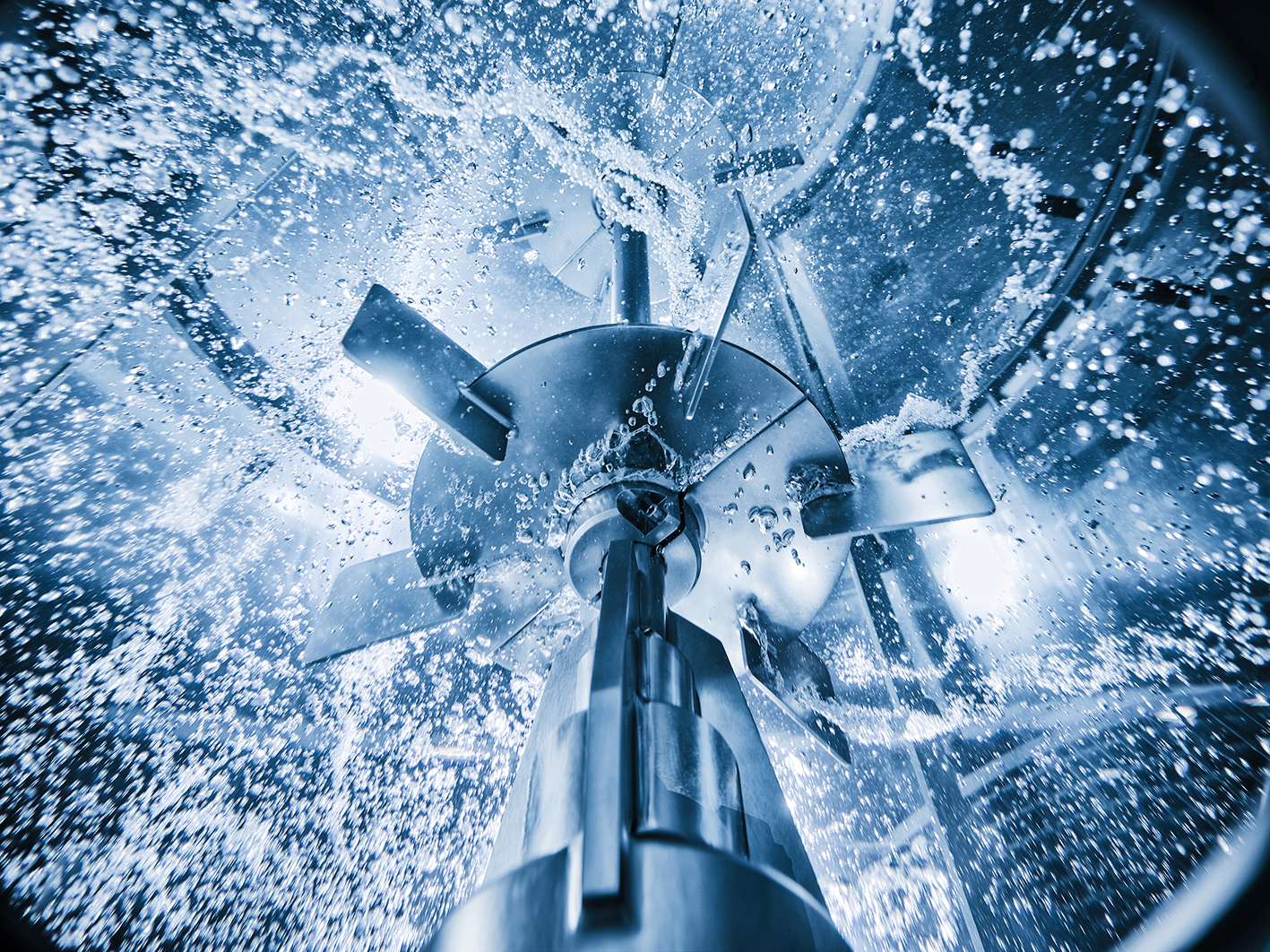
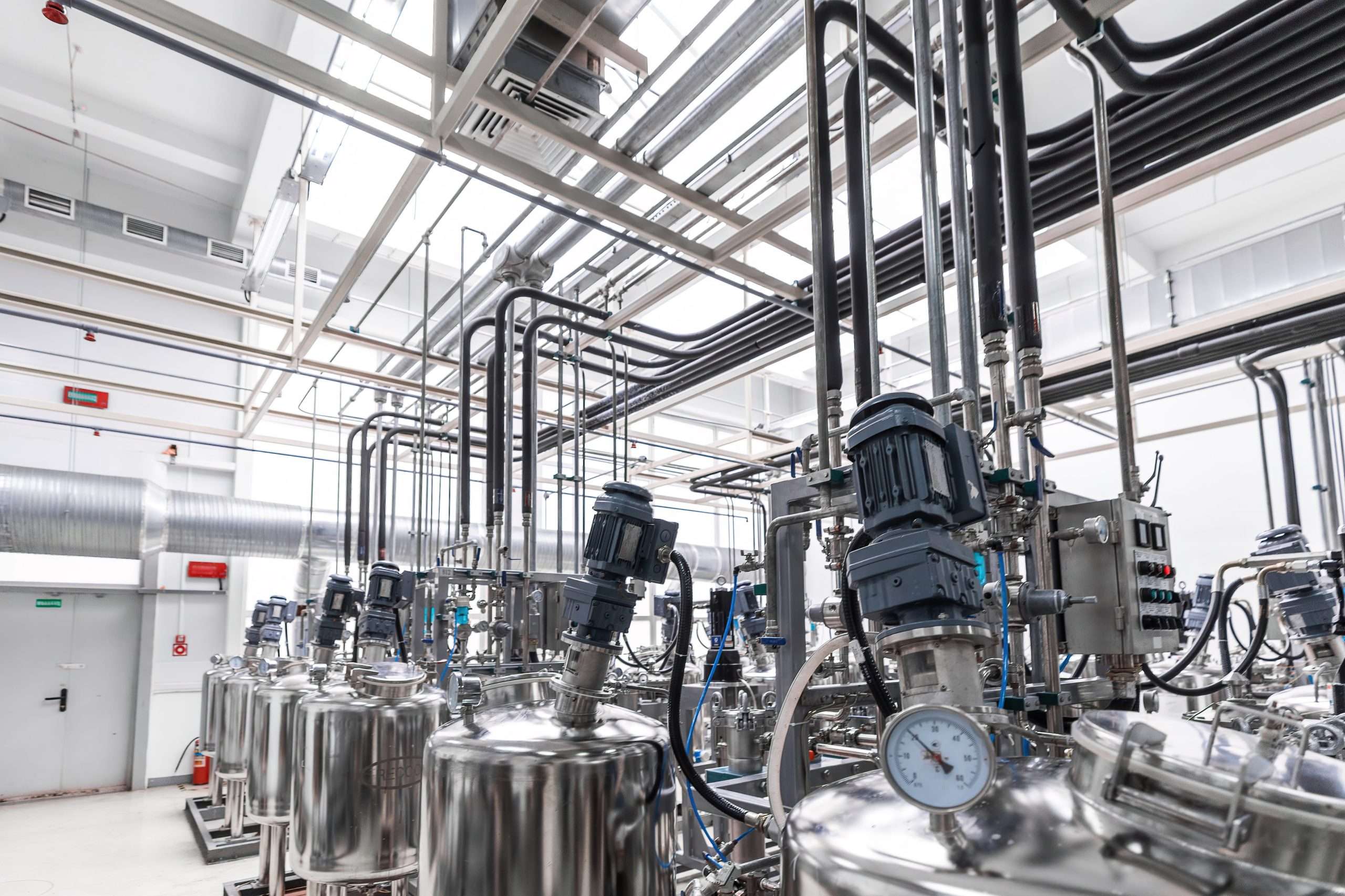
In practice, bioprocessing techniques combine an upstream stage (often called upstream bioprocessing) with a downstream stage. The upstream phase covers preparation of growth media, inoculation, and controlled culture in a bioreactor (via cell culture or fermentation). The downstream phase—often referred to as downstream processing—covers harvesting, clarification, purification, and formulation so the product meets use requirements.
This is why the field sits at the intersection of bioprocess engineering and the wider biotechnology toolkit. Success depends on contamination control, stable operating windows, and robust analytics so performance is reproducible. Whether you work with a microorganism (a microbial system) or animal cells from well-characterized cell lines, the same manufacturing logic applies: control the biology upstream and build fit-for-purpose recovery downstream.
Biopharmaceutical Manufacturing
One of the most visible applications is in the biopharmaceutical space within the wider pharmaceutical industry. Here, the goal is to manufacture a high-value protein (for example, monoclonal antibodies) or other therapeutic proteins with consistent quality attributes. Many of these programs rely on recombinant expression and tightly controlled culture conditions to protect product structure, activity, and safety.
Downstream is equally central because the target must be separated from process-related impurities to meet stringent pharmaceutical standards. Typical unit operations may include filtration and capture/polish steps such as chromatography, designed to remove impurities and concentrate the product for final formulation. The output is a therapeutic product where traceability, sterility, and controlled release testing protect human health.
Vaccine Production
A major application is vaccine manufacturing, where bioprocess routes are used to produce antigens or related biological materials at scale. Depending on the platform, upstream may involve cell culture in a bioreactor, or microbial fermentation for antigen expression.
Downstream processing for vaccines often combines clarification and purification steps that remove host-cell proteins, DNA, and other process-related impurities while protecting potency. Because timelines can be critical, teams focus on platform approaches, automation, and robust control strategies that reduce variability from batch to batch.
Cell Therapies and Gene Therapy
Some of today’s most advanced modalities rely on cells as the product. In stem cells and other cell-therapy workflows, the goal can be complete living cells with defined identity, viability, and function—making process control and contamination prevention especially important.
In gene-modified products, upstream manufacturing may also include production of gene therapy vectors using cell culture systems designed for consistent yields and controlled impurity profiles. Downstream operations often emphasize gentle handling, concentration, and formulation rather than heavy chromatography, because the product may be cells or fragile biologics.
Industrial Biotechnology and Specialty Chemicals
Industrial biotechnology uses bioprocess routes to convert renewable feedstocks into commercially significant outputs. These commercially significant bioprocesses often use microbial fermentation where bacteria, yeast, or a fungus converts a substrate into organic acids, amino acids, solvents, or other intermediates.
Because these products are cost-sensitive, the focus is usually on higher yields and simpler recovery. Approaches may include strain improvement through metabolic engineering, smarter process control, and improved economics by reducing by-products and improving selectivity.
Food Processing and Fermented Ingredients
The food industry is one of the oldest users of bioprocess technology—even if it isn’t always labeled that way. Fermentation is used to develop flavor, texture, and functional performance, while also improving shelf-life and process stability.
In this setting, microbial cultures (often yeast and bacteria) are selected to produce enzymes, metabolites, and other functional ingredients. Some outputs are bioactive or value-added natural products, but the emphasis is typically on consistent sensory performance and reliable production at scale.
Biofuel Production and Renewable Manufacturing
Bioprocess routes are also used to produce renewable fuels and chemical building blocks. In these applications, fermentation converts sugar-rich feedstocks into fuels (for example, ethanol) with a focus on throughput, conversion efficiency, and low cost.
Downstream here looks different than biopharma: specifications are driven by fuel quality rather than therapeutic safety, and separation choices are designed to reduce energy use while maintaining reliable output.
Waste-Water Treatment and Environmental Applications
A major non-pharma area is waste-water treatment, where bioprocess systems use microbial communities to remove organic load and nutrients. In this context, the “product” is cleaner water and controlled solids handling, rather than a purified molecule.
These environmental applications may also include waste-to-value approaches where microbial conversion generates useful outputs (process-dependent). The engineering emphasis is on robustness, tolerance to variable feeds, and operational reliability.
Agriculture and Bioproducts
Bioprocess technology contributes to agriculture through bioproducts such as enzymes, microbial metabolites, and other fermentation-derived inputs. The focus is on consistent performance in real-world conditions, which places a premium on reproducible manufacturing and stable formulation.
This category can include naturally occurring microbial products and optimized strains—chosen based on performance, stability, and production economics.
Research, Product Development, and Drug Discovery
Bioprocess platforms also support basic research, scale-up, and product development. Early work often begins at small scale to identify an operating window, then moves to pilot and manufacturing while maintaining comparability.
In the R&D pipeline, bioprocess capability can accelerate drug discovery by enabling rapid production of screening materials and early-stage biologics. As programs mature, process understanding and control strategies are refined so manufacturing is robust and scalable.
Why These Applications Keep Growing
Across sectors, the value proposition is consistent: controlled upstream cultivation paired with fit-for-purpose downstream processing. Bioprocess technology supports reproducible performance, scalable workflows, and a practical path to high-value outputs—whether the end goal is a therapeutic protein, a vaccine, renewable fuels, or water treatment.
Conclusion
The application of bioprocess technology is broad because biology can be engineered to make an equally broad range of outputs. From biopharma manufacturing to vaccines, cell and gene therapy, industrial fermentation, and waste-water treatment, the common thread is control: stable upstream production and targeted downstream purification or recovery. When designed well, these systems reduce contamination risk, improve reliability, and help organizations scale faster without compromising quality. In short, bioprocess technology is a modern manufacturing engine powered by biology.