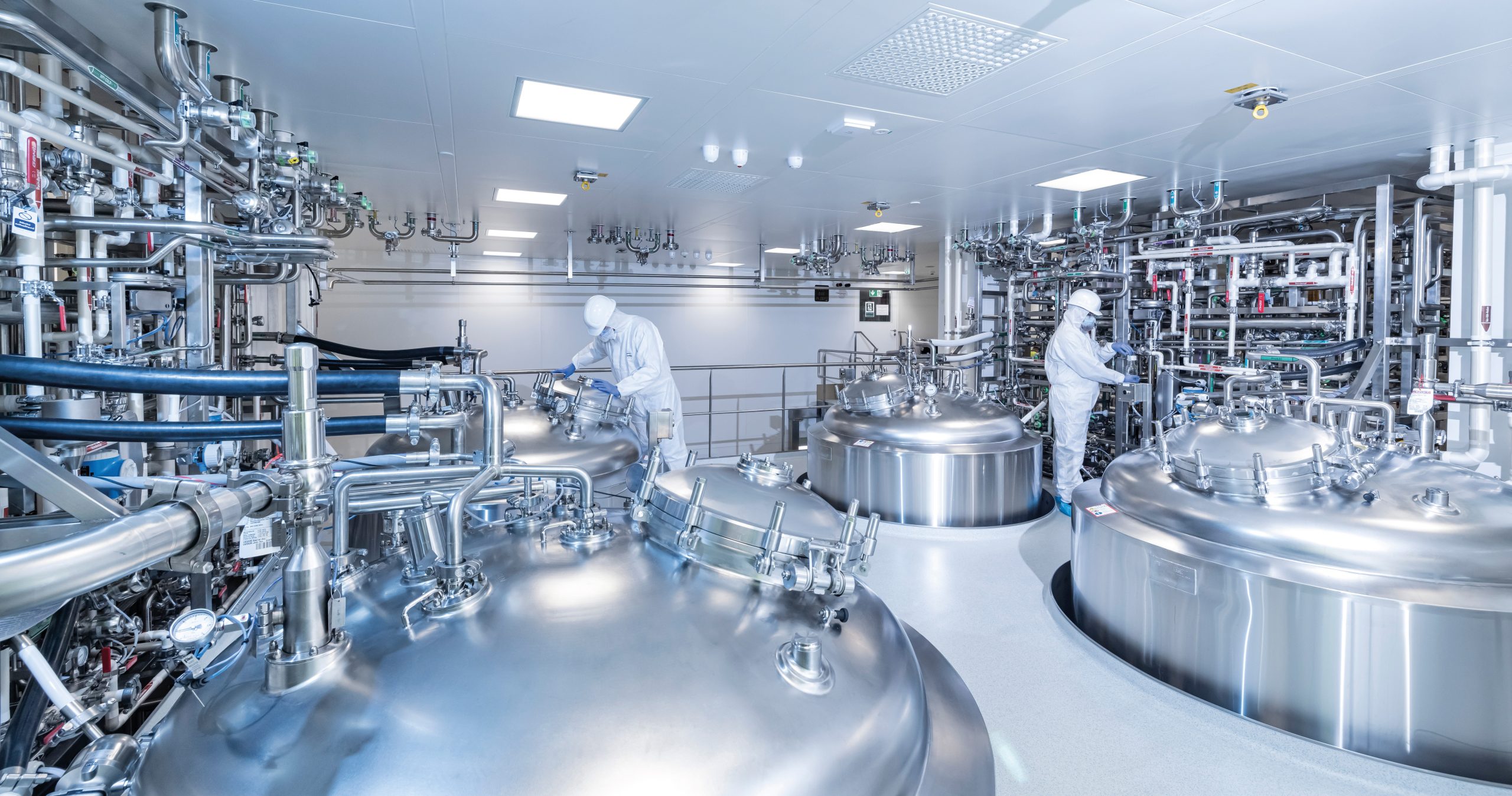

In biopharmaceuticals, quality is often discussed in the context of manufacturing. However, long before a product reaches the production floor, critical decisions have already been made – decisions that define how consistently, efficiently, and reliably that product can be produced.
These decisions are made during engineering.
Facility layouts, process integration, equipment selection, automation strategies – each of these elements play a direct role in determining whether a process can deliver consistent quality. In this sense, quality does not begin in manufacturing. It begins in design.
This is where Quality by Design (QbD) takes on a broader and more powerful meaning.
While traditionally associated with product and process development, QbD is increasingly shaping how biopharma facilities are engineered – ensuring that quality is built not only into the product but also into the systems that produce it.
Extending Quality by Design into Engineering
At its core, Quality by Design is based on a simple principle: quality should be designed into systems, not verified after they are built.
In an engineering context, this means translating process understanding into physical and digital infrastructure that can reliably deliver the desired outcomes.
The foundational elements of QbD remain the same:
- Defining the intended product and process outcomes
- Identifying critical quality attributes (CQAs)
- Understanding critical process parameters (CPPs)
- Establishing acceptable operating ranges (design space)
However, in engineering, the focus shifts to a new question:
How do we design facilities and systems that can consistently operate within this design space?
This requires close alignment between process science and engineering execution – ensuring that what is theoretically defined can be practically achieved.
The Engineering Shift: From Build-and-Test to Design-for-Performance
Traditional engineering approaches in pharmaceutical projects often followed a linear path: design, build, test, and then fix gaps identified during validation.
While this model delivered functional facilities, it frequently resulted in:
- Iterative redesign during commissioning
- Extended validation timelines
- Unanticipated performance deviations
Quality by Design introduces a more predictive approach.
By integrating process knowledge early into engineering decisions, facilities can be designed with performance and compliance in mind from the outset. This reduces the need for corrections later and leads to more efficient project execution.
In practice, this means:
- Equipment is selected based on its ability to maintain critical parameters
- Layouts are designed to minimise contamination and variability risks
- Automation systems are configured to monitor and control key variables
The result is not just a compliant facility, but a capable and reliable one.
Why QbD is Critical for Modern Biopharma Engineering
The growing complexity of biopharmaceutical processes has significantly increased the demands on engineering.
Biologics manufacturing involves sensitive systems where small variations can have large impacts. As a result, facilities must be designed with a much higher degree of precision and control.
At the same time, projects are expected to move faster, adapt to evolving therapies, and meet global regulatory standards.
In this environment, QbD provides a structured framework for engineering teams to:
- Design for consistency rather than correction
- Anticipate risks rather than react to them
- Enable scalability from the outset
It also aligns closely with regulatory expectations, which increasingly emphasise process understanding and lifecycle control.
Engineering the Design Space
One of the most important contributions of QbD to engineering is the concept of the design space.
While the design space is defined during process development, it must be enabled through engineering.
This involves ensuring that:
- Equipment can operate reliably within defined parameter ranges
- Utilities and support systems provide stable operating conditions
- Automation systems can monitor and adjust parameters in real time
If the engineering does not support the design space, the process cannot perform as intended, no matter how well it is defined.
This is why early collaboration between process and engineering teams is critical. At ZETA India, we are increasingly playing a role in bridging this gap, ensuring that process intent is translated into operational reality.
Applying QbD in Engineering Practice
In real-world projects, the application of QbD in engineering is evident in how decisions are made.
- Designing for scale and flexibility
Consider a facility being designed for a biosimilar product that may need to scale rapidly.
A QbD-led engineering approach would ensure that:
- Equipment sizing accounts for future capacity increases
- Layouts allow for modular expansion
- Systems are designed to handle variability without compromising quality
This reduces the need for major redesigns as demand grows.
- Controlling Variability Through System Design
In processes such as fermentation or cell culture, variability is a constant challenge.
Engineering plays a key role in managing this by:
- Designing systems with tighter environmental control
- Integrating sensors and automation for real-time monitoring
- Ensuring consistent material and energy flows
By embedding these controls into the system, variability can be minimised at its source.
- Enabling Faster Validation and Commissioning
Validation is often one of the most time-consuming phases of a project.
When QbD principles are applied during engineering:
- Critical systems are identified early
- Testing strategies are aligned with risk levels
- Documentation is structured for clarity and traceability
This leads to more efficient validation processes and faster facility readiness.
The Role of Digitalisation in Engineering QbD
As biopharma facilities become more advanced, digitalisation is playing an increasingly important role in supporting QbD.
Engineering teams are now leveraging digital tools to:
- Simulate process behaviour before physical implementation
- Integrate automation systems with advanced control strategies
- Enable real-time data capture and analysis
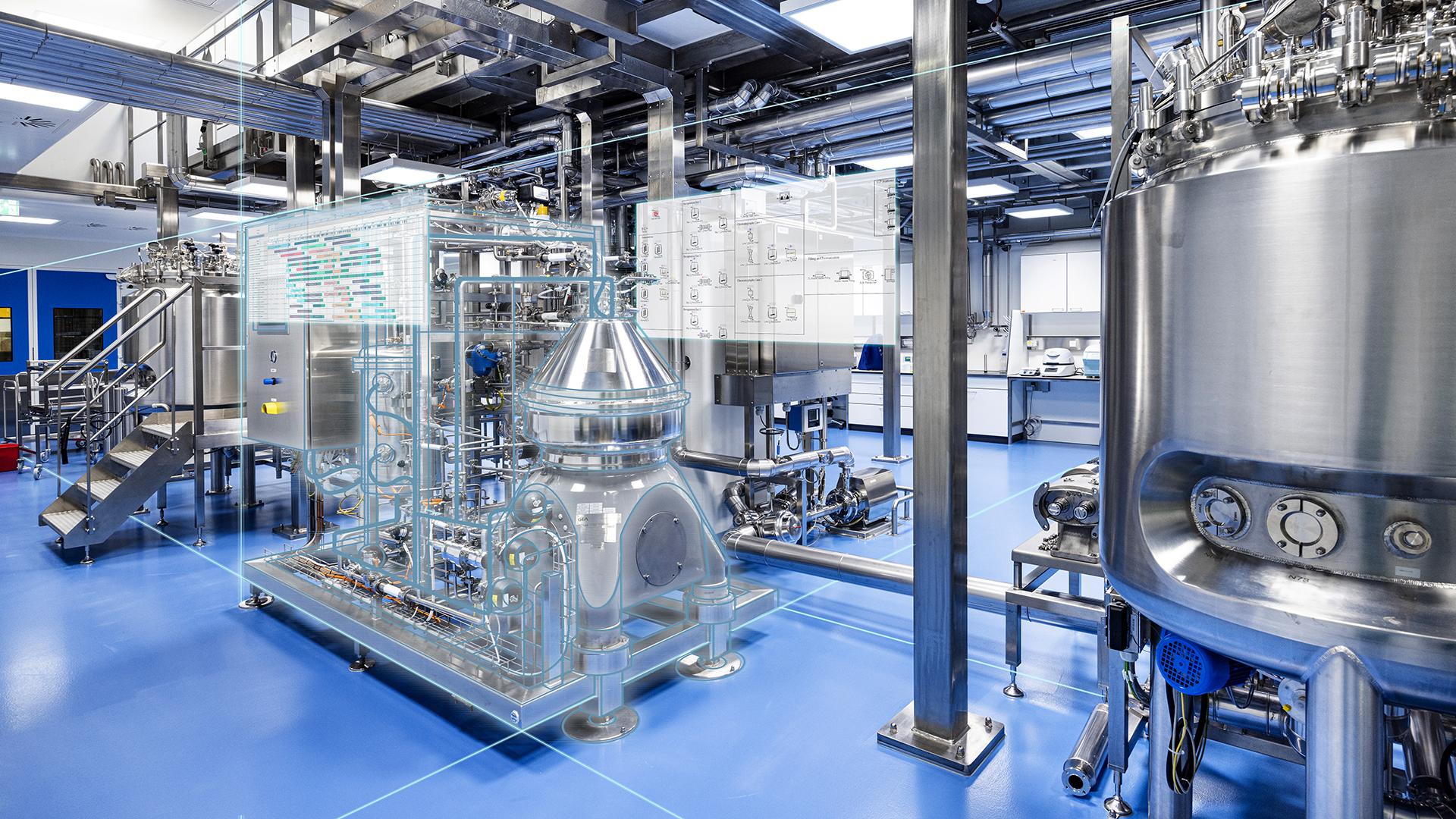
These capabilities enhance the ability to predict performance, identify risks, and maintain control which are the key objectives of QbD. Approaches that combine engineering with digital execution demonstrate how QbD can be operationalised in modern facilities.
From Compliance to Engineering Capability
Perhaps the most significant shift that QbD brings to engineering is a change in perspective. Instead of designing facilities to meet minimum compliance requirements, the focus moves towards designing systems that are inherently capable of delivering consistent performance. This distinction is important.
A compliant facility may pass inspections.
A capable facility consistently delivers quality, efficiency, and reliability.
QbD helps bridge this gap – transforming engineering from a support function into a strategic enabler of quality.
Designing Facilities that Deliver Confidence
In biopharmaceuticals, quality is often measured at the product level. But its foundations lie much deeper – in the way processes are understood, and in how facilities are designed to support them. Quality by Design extends this responsibility to engineering, ensuring that systems are not just built, but thoughtfully designed to perform. By aligning process science with engineering execution, QbD enables facilities that are more predictable, more efficient, and more resilient.
As the industry continues to evolve, this integration will become increasingly important. Because in the end, quality is not just something that is achieved in manufacturing – it is something that is engineered from the very beginning.
To know more about how ZETA India adopts QbD in our projects, reach out to us. We are happy to walk you through our methodologies.