India’s Union Budget 2026 and the national biopharma initiatives are accelerating investment across advanced therapeutics, vaccines, and biologics manufacturing. Programs such as the government’s Biopharma Mission, aimed at strengthening translational research and domestic manufacturing capabilities, signal a clear priority: building globally competitive biopharma infrastructure within the country.
As a result, Indian companies and CDMOs are rapidly expanding facilities across the value chain – from R&D and pilot plants to large-scale biologics production, sterile fill-finish, and advanced therapy suites.
These are no longer single-purpose plants. They are integrated ecosystems designed to support multiple functions, modalities, and regulatory markets within a single coordinated facility.
Designing such environments requires more than individual technologies. It demands engineering integration across research, production, quality, and logistics, all aligned with global GMP expectations.
To understand what this means in practice, step inside a modern multimodality biopharma facility and explore how each zone is engineered for performance, compliance, and scalability.
Entering the R&D zone: Where processes take shape
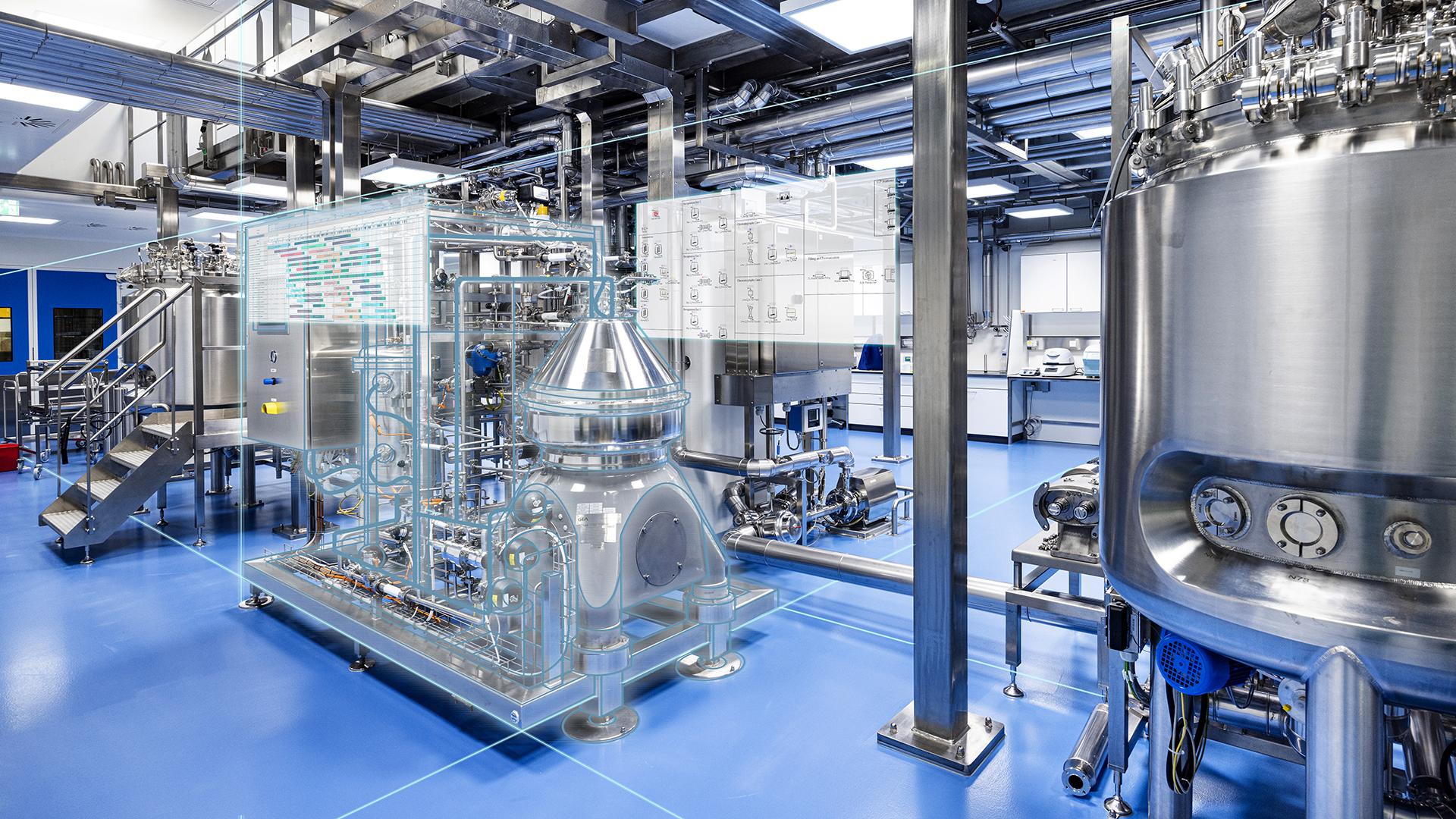
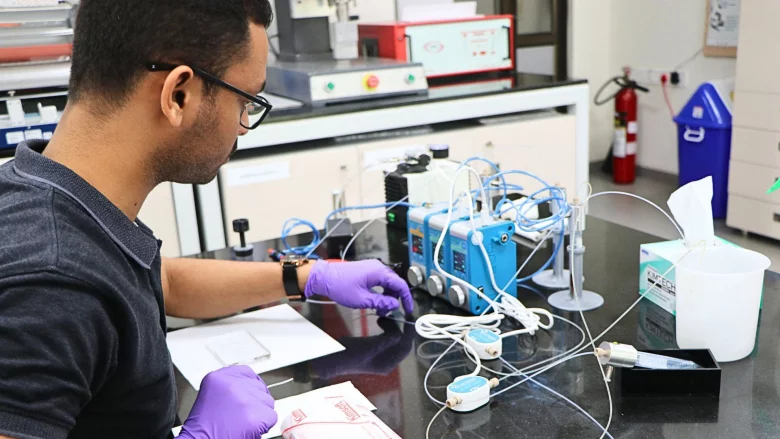
Every biologic or advanced therapy begins in research and pilot environments. These spaces are increasingly expected to bridge discovery, process development, and early GMP manufacturing – accelerating translation from lab to clinic.
Flexible infrastructure and rapid adaptability are essential.
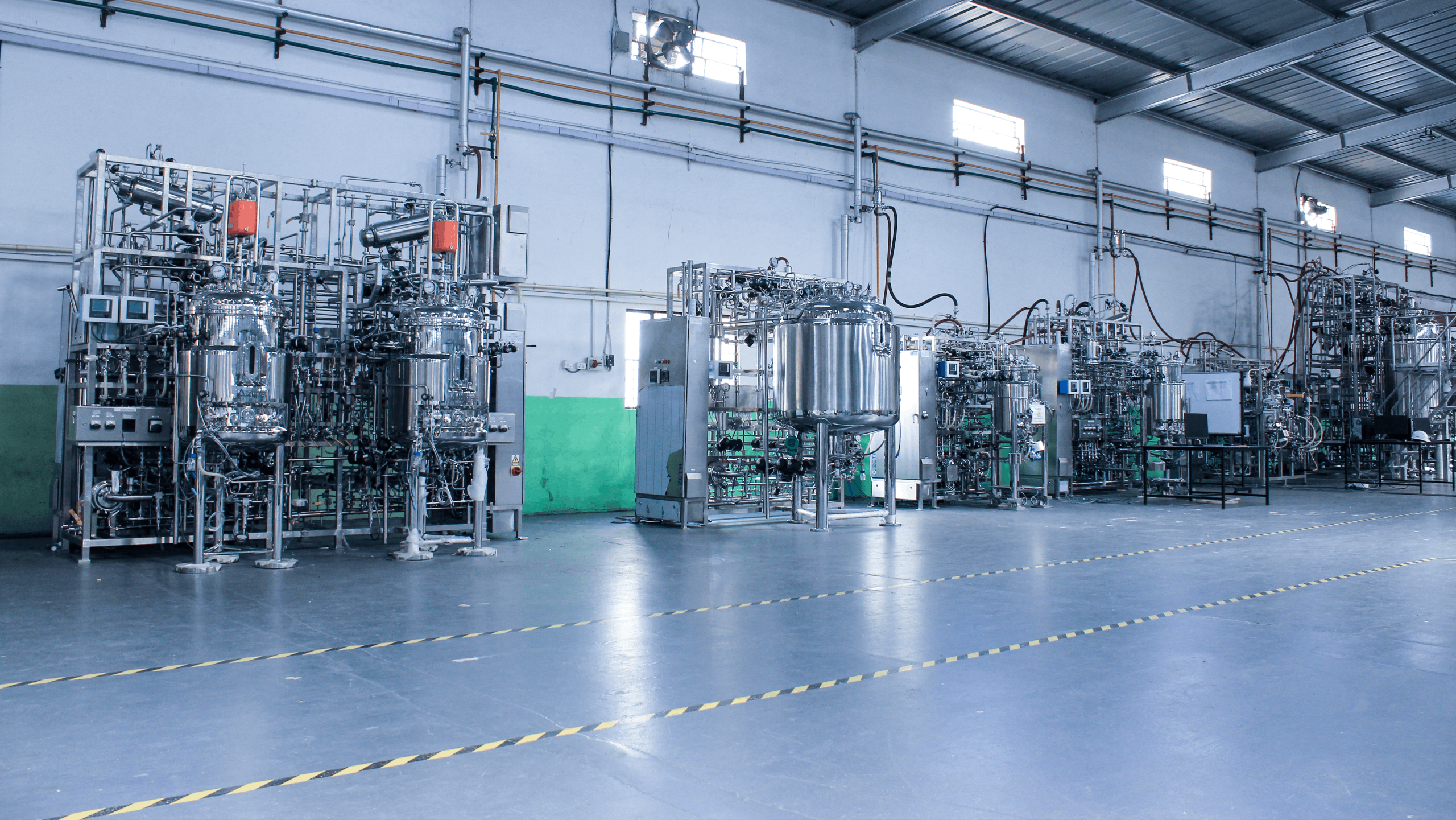
ZETA India designs modular R&D and pilot facilities with GMP- compliant automation and scalable layouts. These environments allow Indian innovators to move efficiently from development to clinical production without rebuilding infrastructure.
Moving into API manufacturing: Scaling biologics production
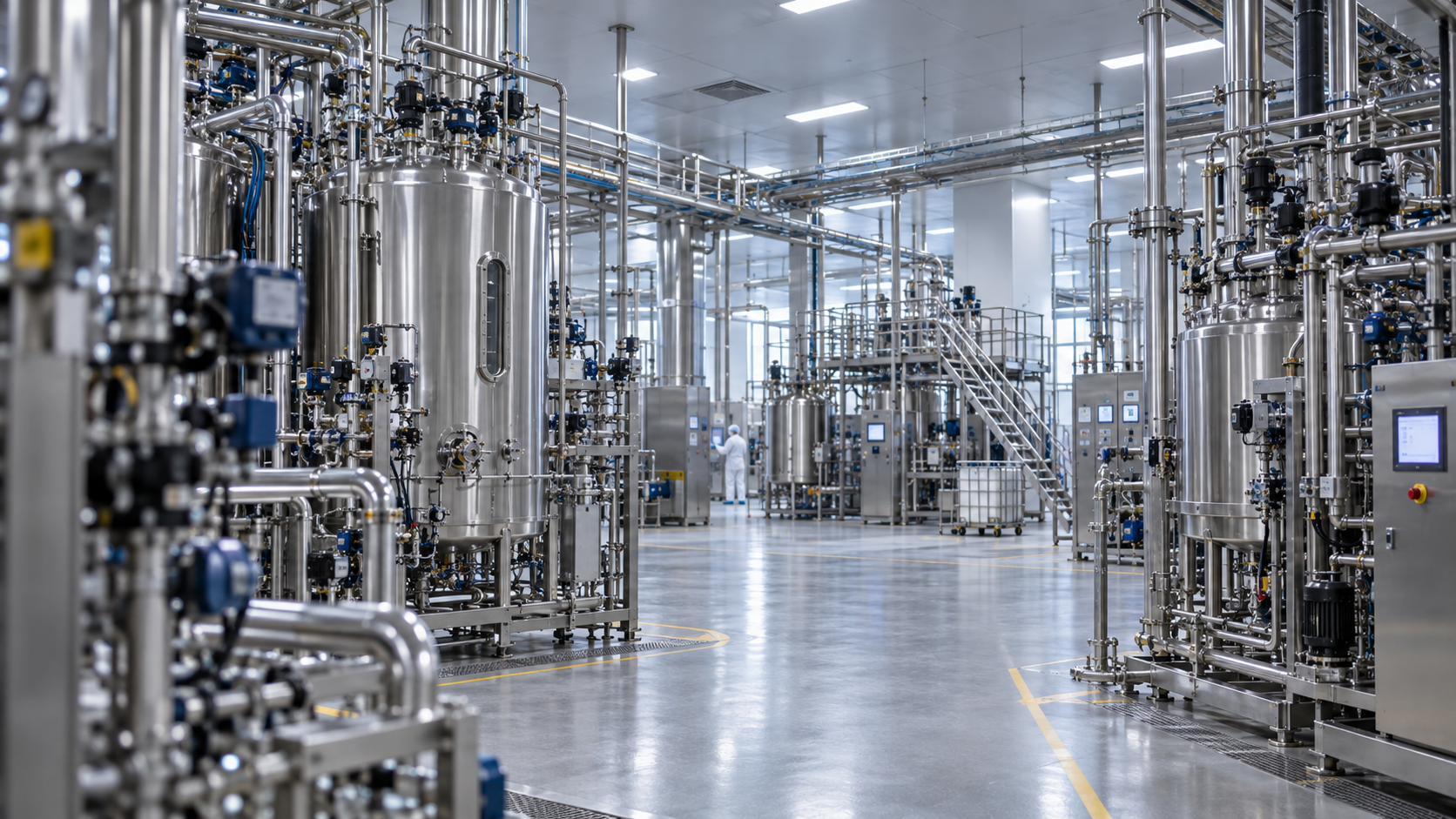
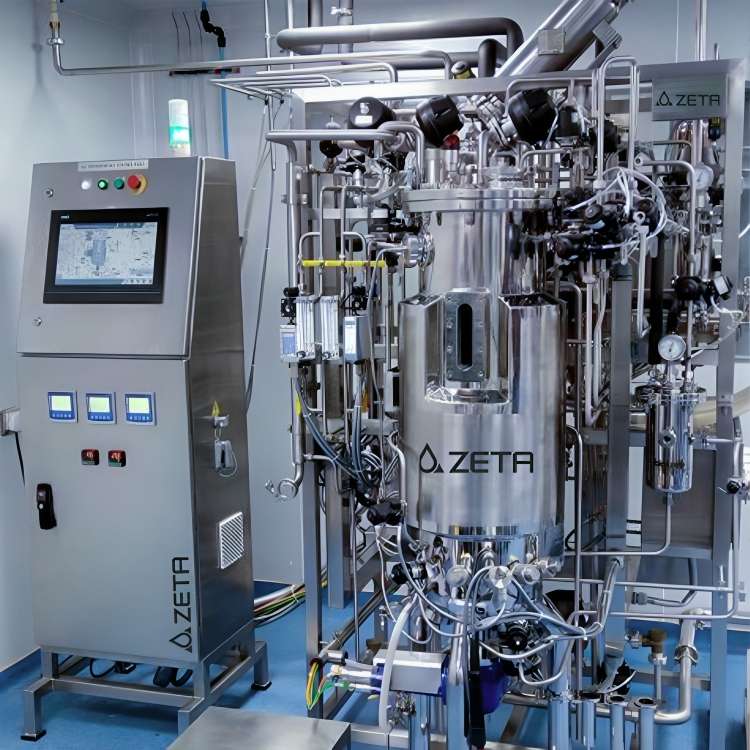
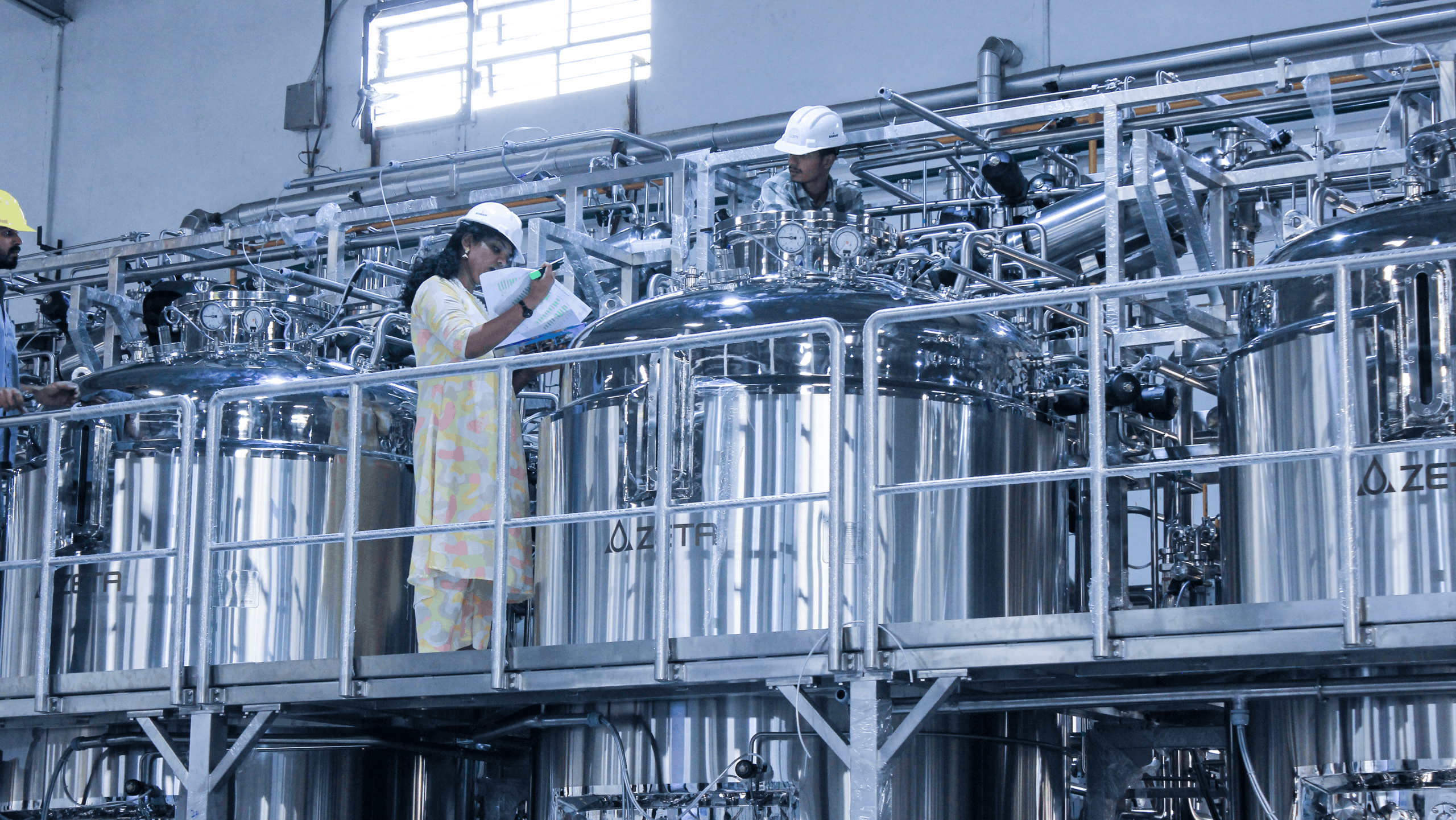
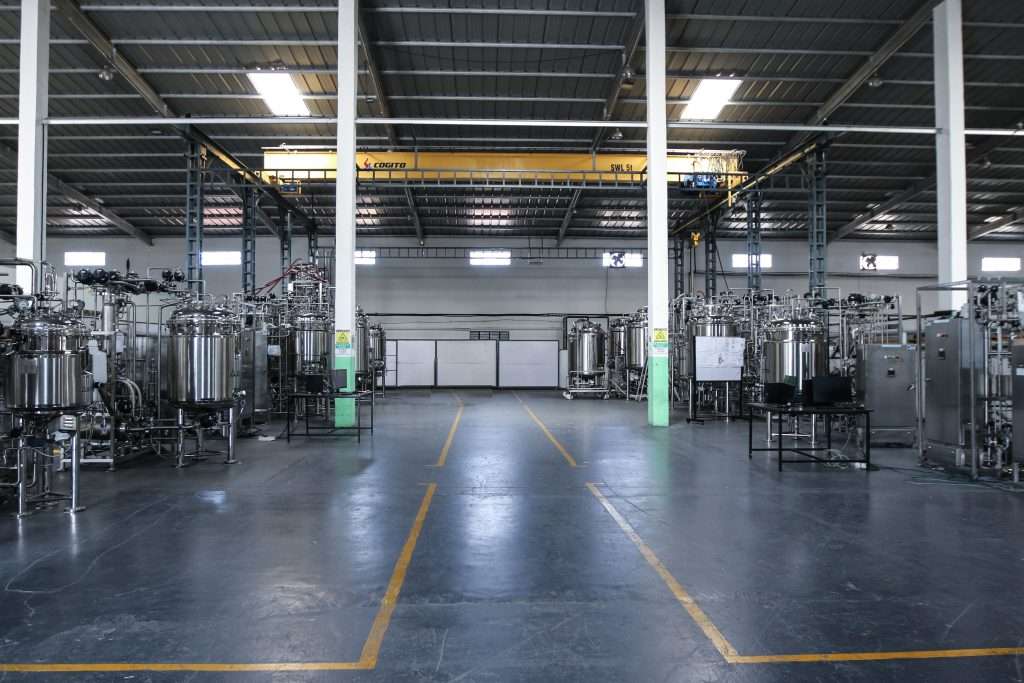
Upstream and downstream biologics production remains the core of many Indian facilities, particularly for monoclonal antibodies, recombinant proteins, and biosimilars destined for global markets.
At scale, the challenge shifts from process design to process robustness – cleanroom performance, media supply stability, and efficient scale-up.
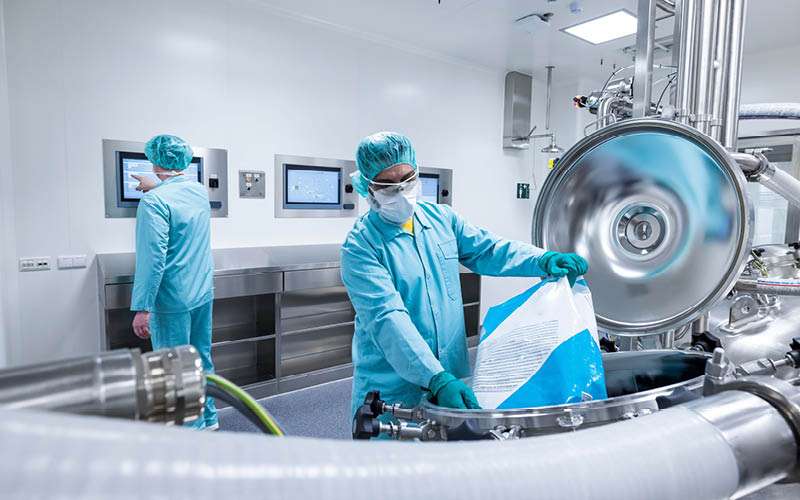
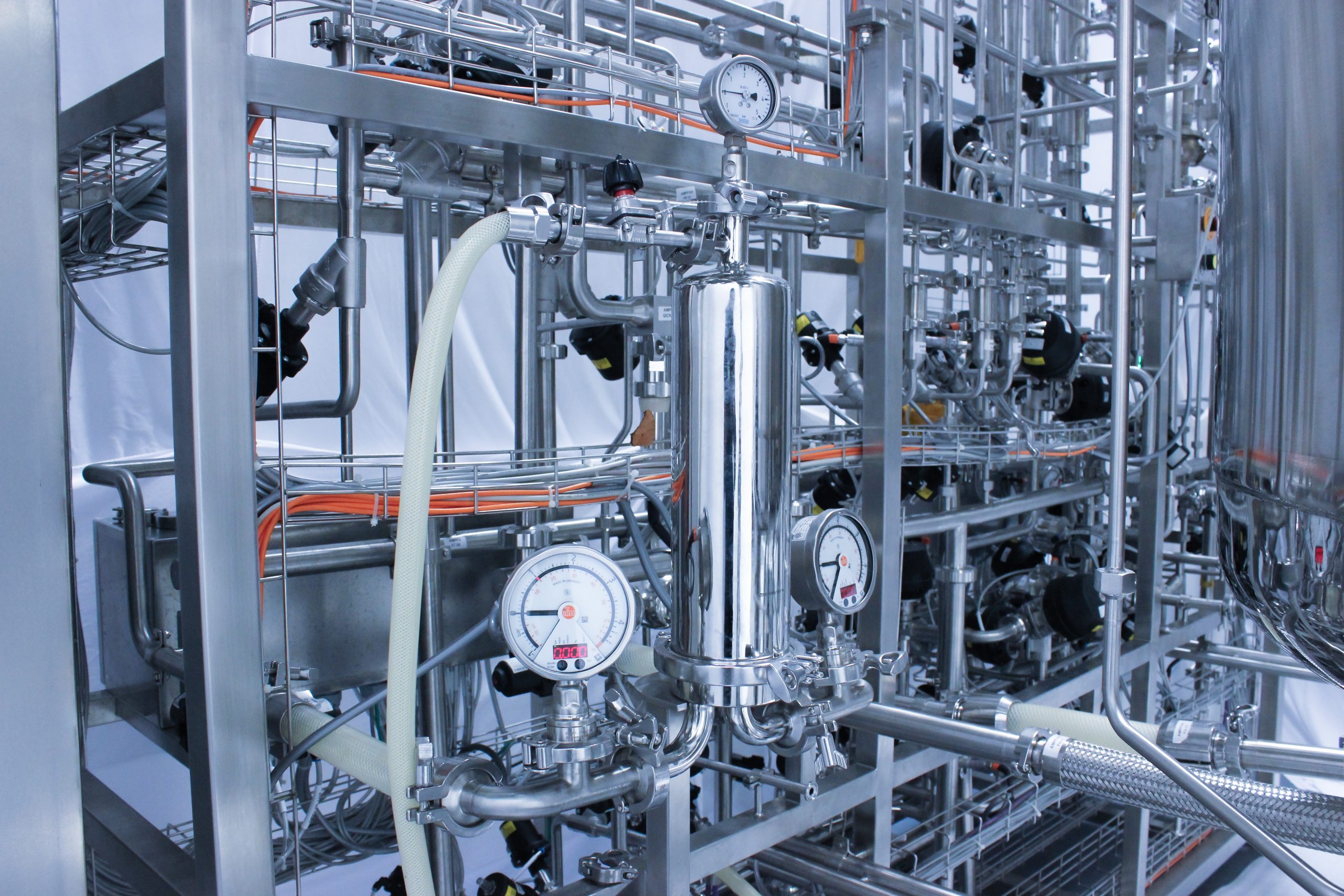
ZETA India engineers high-grade cleanrooms, optimised media and buffer systems, and integrated upstream and downstream workflows. These ensure reliable biologics production aligned with international regulatory standards.
Stepping into drug product suites: Precision and sterility
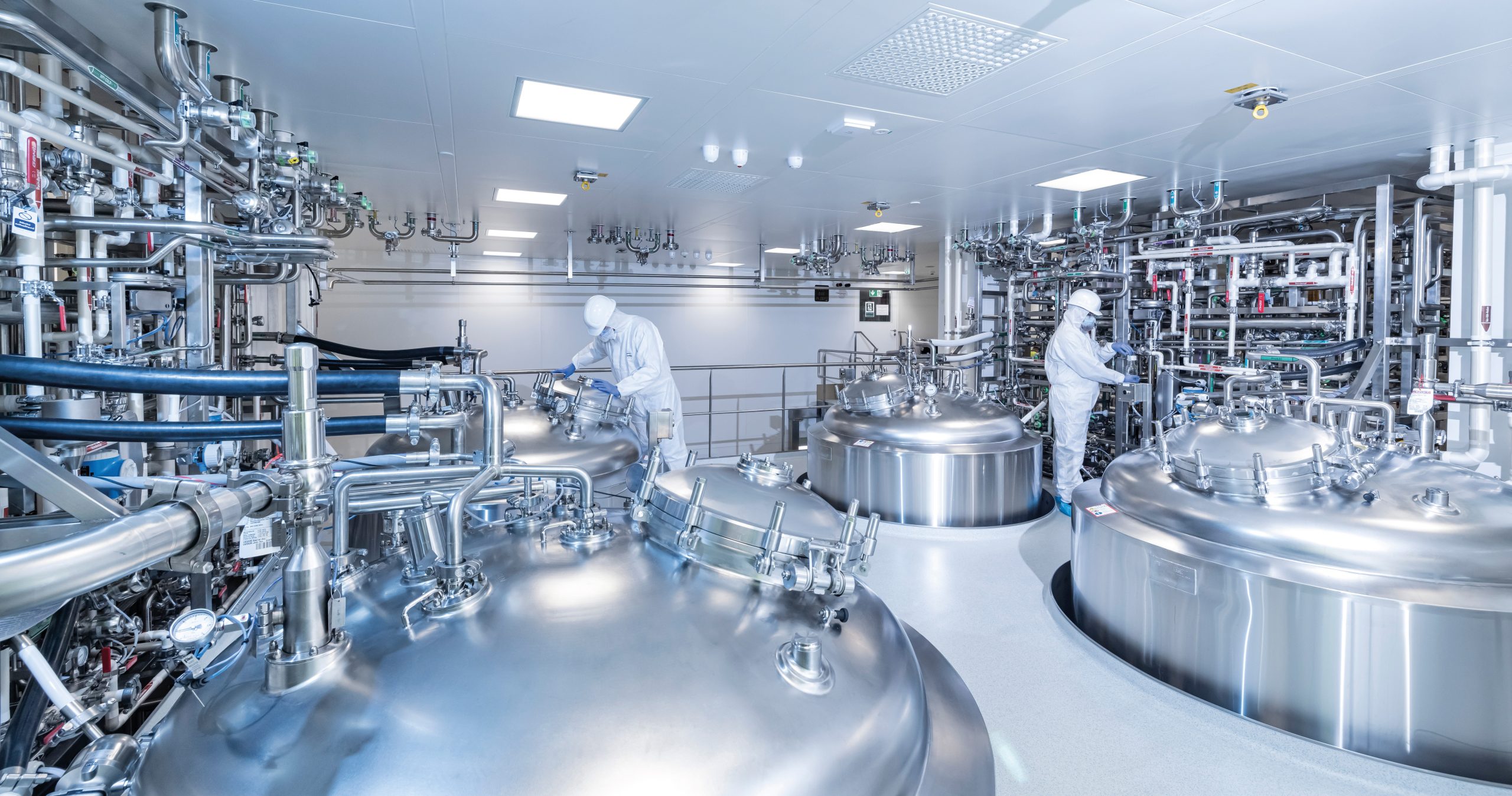
India’s role as a global supplier of sterile injectables and biologics requires drug product facilities that maintain absolute aseptic integrity, especially for fill-finish of biologics, vaccines, and high-value therapeutics.
Sterile architecture and dosing accuracy are paramount.
ZETA India delivers sterile facility designs and automated fill-finish systems that protect product quality and operator safety while supporting high-throughput sterile manufacturing.
Entering specialised therapy areas: Advanced and high-potency production
Many Indian campuses now include dedicated areas for advanced modalities such as vaccines, cell and gene therapies, and antibody–drug conjugates. These spaces must balance flexibility with containment and strict environmental control.
Single-use technologies, cold-chain integration, and high-potency containment become critical.
ZETA India provides scalable platforms using stainless-steel, single-use, or hybrid technologies, along with closed containment and environmental control systems tailored to each advanced therapy process.
Exploring quality control and analytical labs: Safeguarding compliance
Quality control laboratories form the regulatory backbone of any biopharma facility. As India expands exports, analytical rigour and data integrity requirements continue to rise.
The labs must integrate seamlessly with manufacturing while maintaining strict segregation and traceability.
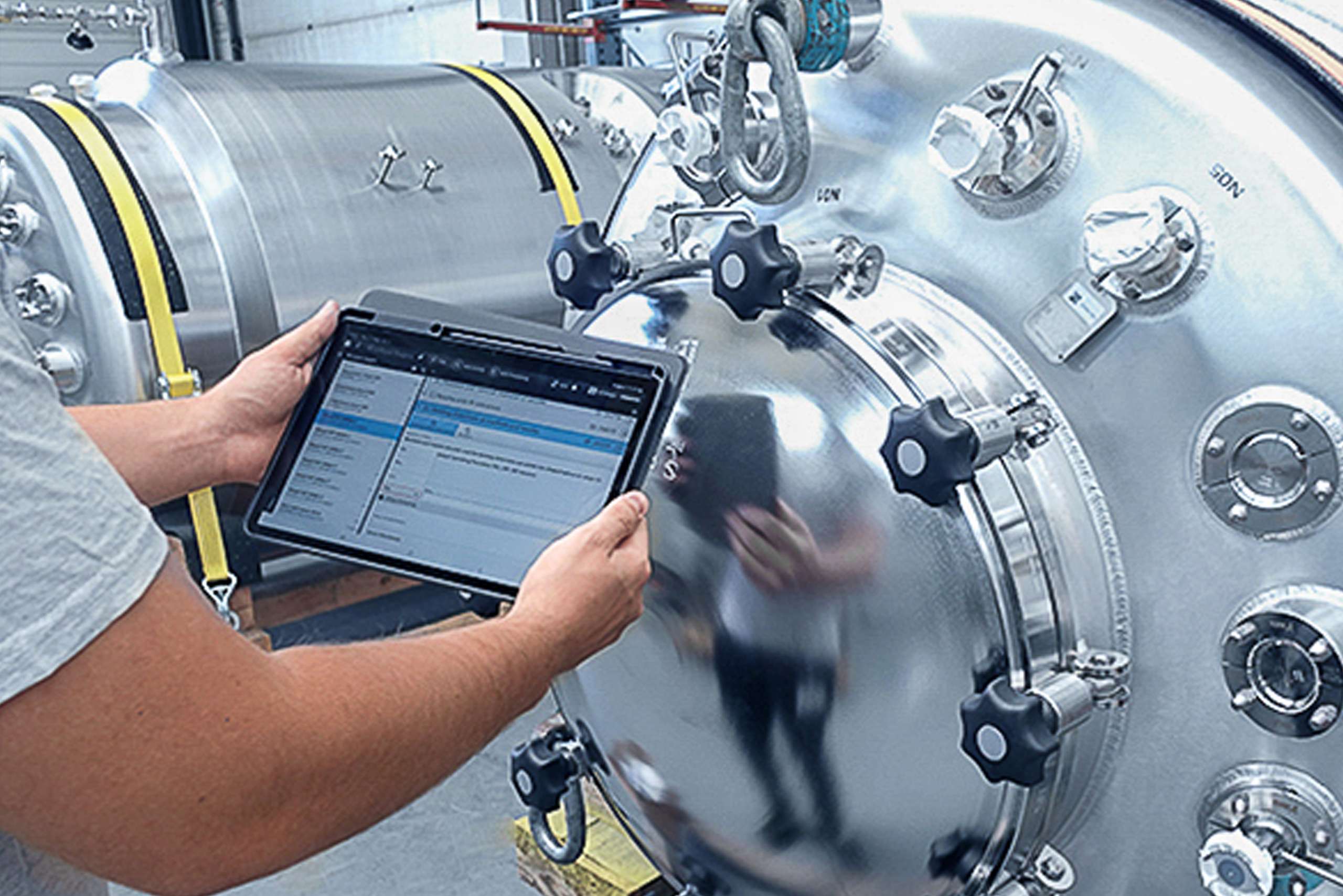
ZETA India designs GMP-compliant QC and analytical facilities with integrated automation, monitoring, and data infrastructure – ensuring transparency and regulatory readiness across operations.
Moving through storage and logistics: The supply chain engine
Behind every production suite lies the logistics infrastructure that sustains it – warehousing, cold storage, material handling, and distribution systems. For temperature-sensitive biologics and vaccines, reliability here is mission-critical.
ZETA India integrates automated storage, environmental monitoring, and GMP-compliant logistics infrastructure to ensure secure material flow and cold-chain integrity throughout the facility.
The invisible layer: Integration across the entire facility
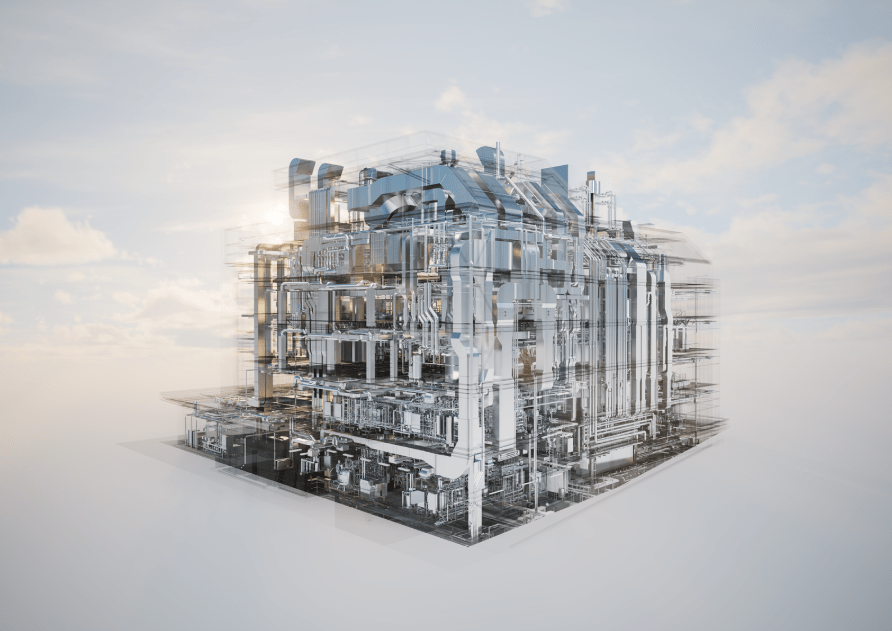
While each zone serves a distinct function, the real strength of a modern biopharma plant lies in integration – utilities, automation, compliance, and lifecycle management connecting every area.
ZETA India delivers this integration across engineering, automation, EPCMV execution, and lifecycle support – enabling Indian facilities to operate as cohesive, scalable manufacturing ecosystems spanning R&D through commercial production.
Engineering India’s Next-Generation Biopharma Facilities
As India advances from single-purpose plants to multimodality campuses, facility design must support flexibility, compliance, and future expansion from the outset.
From R&D labs to sterile production suites and advanced therapy zones, ZETA India provides the engineering depth required to build integrated biopharma facilities aligned with India’s global manufacturing ambitions.