Bacterial fermentation is one of the most reliable industrial fermentation routes for turning simple feedstocks into high-value products at scale—without relying on complex chemical synthesis routes. As a core part of modern fermentation technology, it can be a highly sustainable option, especially when it uses renewable inputs and delivers high efficiency in production. When the right bacteria are paired with the right process conditions, fermentation can deliver consistent titres, predictable quality, and a scalable path from pilot to full production. Whether your target is an enzyme, an organic acid, an amino acid, a therapeutic intermediate, or a functional ingredient, bacterial fermentation is often the most solution-oriented route to commercial output.
This article explains what bacterial fermentation is, how it works, what matters most in process control, and how to choose an approach that fits your organism, product, and facility reality.
What is bacterial fermentation?
Bacterial fermentation is a bioprocess where bacteria (a microbial microbe or microorganism) convert a nutrient feedstock (substrate) into biomass and/or a target product under controlled conditions. In practice, bacterial fermentation is a type of microbial fermentation: the fermentation process uses living cells to convert carbon sources such as glucose (a carbohydrate molecule) and, in some food systems, lactose, into useful metabolites.
At a biochemical level, fermentation is a metabolic process that helps the cell generate energy (adenosine triphosphate, ATP) and maintain redox balance while converting substrates into end products. Those fermentation pathways determine whether the main product is an acid (such as lactic acid) or a fuel molecule (such as ethanol), and whether gases such as carbon dioxide (CO₂) or hydrogen gas are released.
In industrial settings, the term “fermentation” often refers to the overall cultivation process in a fermenter or bioreactor—whether the metabolism is aerobic (oxygen supplied) or anaerobic (oxygen excluded). The aim is to create a stable operating window where bacterial growth and growth and product formation are repeatable run-to-run.
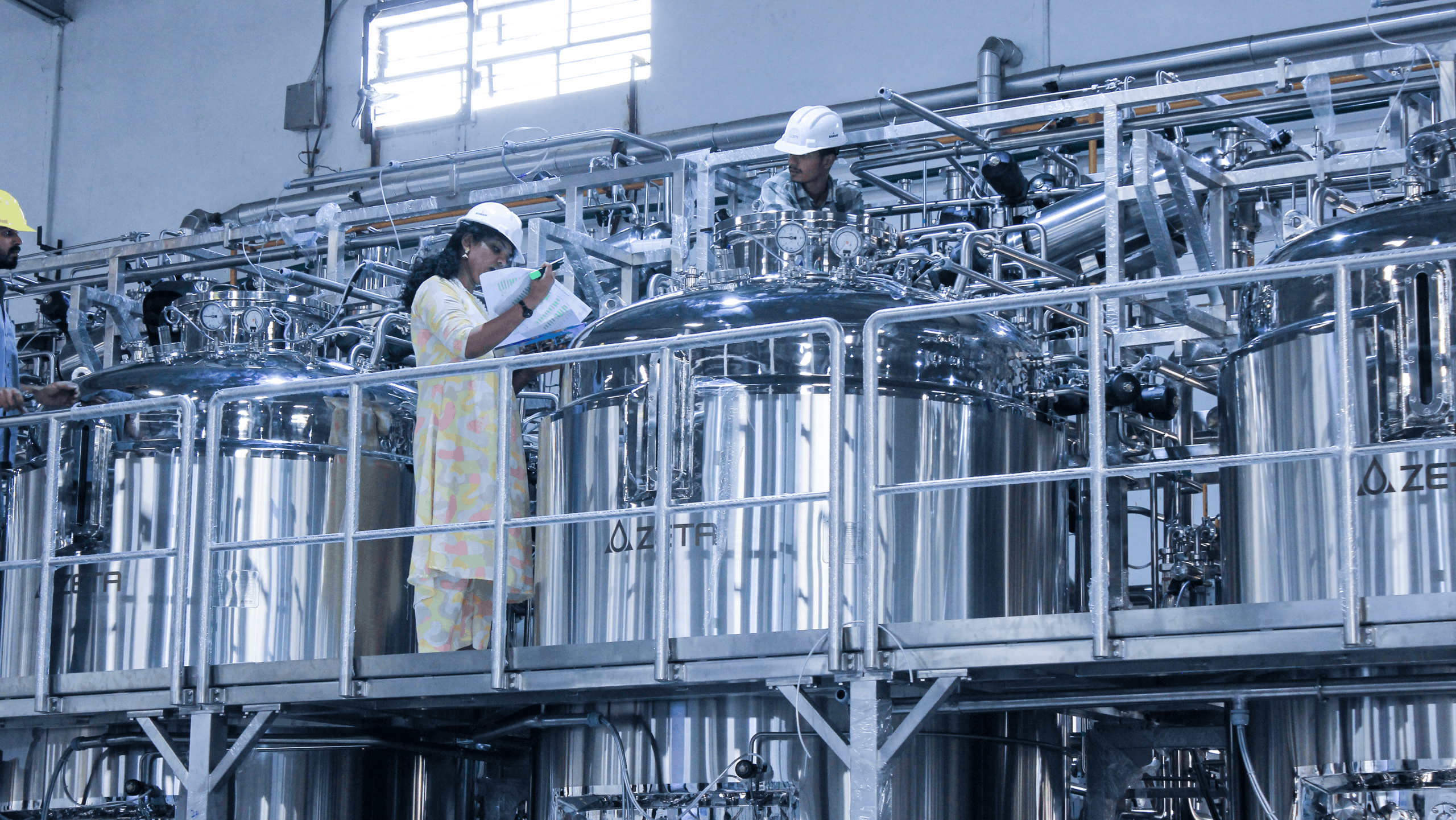
Bacteria are popular production hosts because they grow quickly, can be engineered for high productivity, and can be cultivated in robust, highly complex industrial environments. They are also compatible with large-scale stainless-steel fermenters that prioritise cleanability, sterility, and reliable automation. In industrial settings, the term “fermentation” often refers to the overall cultivation process in a fermenter or bioreactor—whether the metabolism is aerobic (oxygen supplied) or anaerobic (oxygen excluded). The aim is to create a stable operating window where bacterial growth and product formation are repeatable run-to-run.
Bacteria are popular production hosts because they grow quickly, can be engineered for high productivity, and can be cultivated in robust, highly complex industrial environments. They are also compatible with large-scale stainless-steel fermenters that prioritise cleanability, sterility, and reliable automation.
How bacterial fermentation works (the fundamentals)
At a high level, bacterial fermentation follows the same core flow, regardless of the product:
- Inoculation and growth: bacteria are introduced into a sterile culture medium and allowed to grow to a defined biomass level.
- Production phase: process conditions and feeding strategies shift to favour product formation (which may coincide with growth or occur after growth slows).
- Harvest: the fermentation broth is processed so the product can be recovered and purified.
Bacteria convert a substrate into energy and building blocks for growth. Depending on oxygen availability and pathway design, the same substrate can be routed into different end products. This is why process conditions (pH, temperature, dissolved oxygen, feeding) are not “settings” so much as levers that shape metabolic pathways.
Common fermentation pathways and fermentation products
Bacteria can carry out fermentation through several well-known fermentation pathways. The pathway you drive determines the product of fermentation, the likely impurities, and what the downstream steps must handle.
- Lactic acid fermentation: a classic pathway used by lactic acid bacteria (including Lactobacillus) to produce lactic acid—especially relevant in food fermentation and fermented foods such as yoghurt and other dairy products. In simplified terms, glucose can be converted into pyruvate and then into two molecules of lactic acid, helping the cell keep energy production going.
- Mixed acid fermentation: some bacteria produce a mixture of acids and other compounds; this can be valuable in some biochemical routes, but it can also create more complex impurity profiles for purification.
- Propionic acid fermentation: used in specific systems to produce propionic acid (propionic), with carbon dioxide often appearing as a co-product depending on the route.
- Butyric acid fermentation: produces butyric acid (butyric) and, in some processes, solvents such as butanol; these routes are sometimes explored for biofuel applications.
- Ethanol fermentation: most famously associated with yeast fermentation, but certain bacterial systems can also produce ethanol. Where the goal is fuel output, fermentation to produce ethanol is often described alongside ethanol and carbon dioxide as the key products.
- Acetic acid pathways: acetic acid bacteria can produce acetic acid in oxidative pathways (commonly with oxygen present), which is why process definition and oxygen strategy matter.
These pathways explain why “bacterial fermentation process” is never one-size-fits-all: the same fermenter design can behave very differently depending on product chemistry, by-product formation, and gas generation.
A practical note: many industrial processes also rely on enzymatic steps (enzyme-driven conversion) alongside fermentation, especially where selectivity or reaction efficiency is critical.
Key process variables in bacterial fermentation
Bacterial fermentation performance is typically driven by a small set of controllable variables. These are the parameters that most often decide whether a process is stable, productive, and scalable.
Temperature
Bacteria have defined temperature ranges where growth and production are optimal. Even small deviations can shift growth rate, product formation, and by-product profiles. Industrial systems therefore prioritise reliable heat-removal, especially at high cell density where metabolic heat-load rises quickly.
pH
pH affects enzyme activity inside the cell, nutrient availability, and product stability. Many bacterial processes use automated pH control with acid/base dosing. Poor pH control can cause yield loss, productivity drift, or changes in impurity formation that complicate downstream recovery.
Dissolved oxygen and aeration (for aerobic runs)
In aerobic bacterial fermentation, oxygen-transfer is often the limiting factor. The fermenter must deliver sufficient oxygen without excessive foaming, shear stress, or unstable control. Oxygen control is usually handled through a cascade across agitation speed, gas-flow, and (where needed) oxygen-enrichment.
Feeding strategy
Feeding influences both growth and metabolism. In many bacterial processes, fed-batch operation is used to avoid substrate spikes that trigger overflow metabolism (unwanted by-products) or inhibition. A well-designed feed profile is tailor-made to the organism’s uptake capacity and the process goal (growth-first vs product-first).
Foam management
Foam can be triggered by high aeration, proteins, or surfactants produced during growth. Foam events can cause contamination risk via filters and vents, and they can disrupt gas-transfer. Foam control typically combines headspace design, foam sensing, antifoam dosing logic, and stable gas-flow management.
Sterility and contamination control
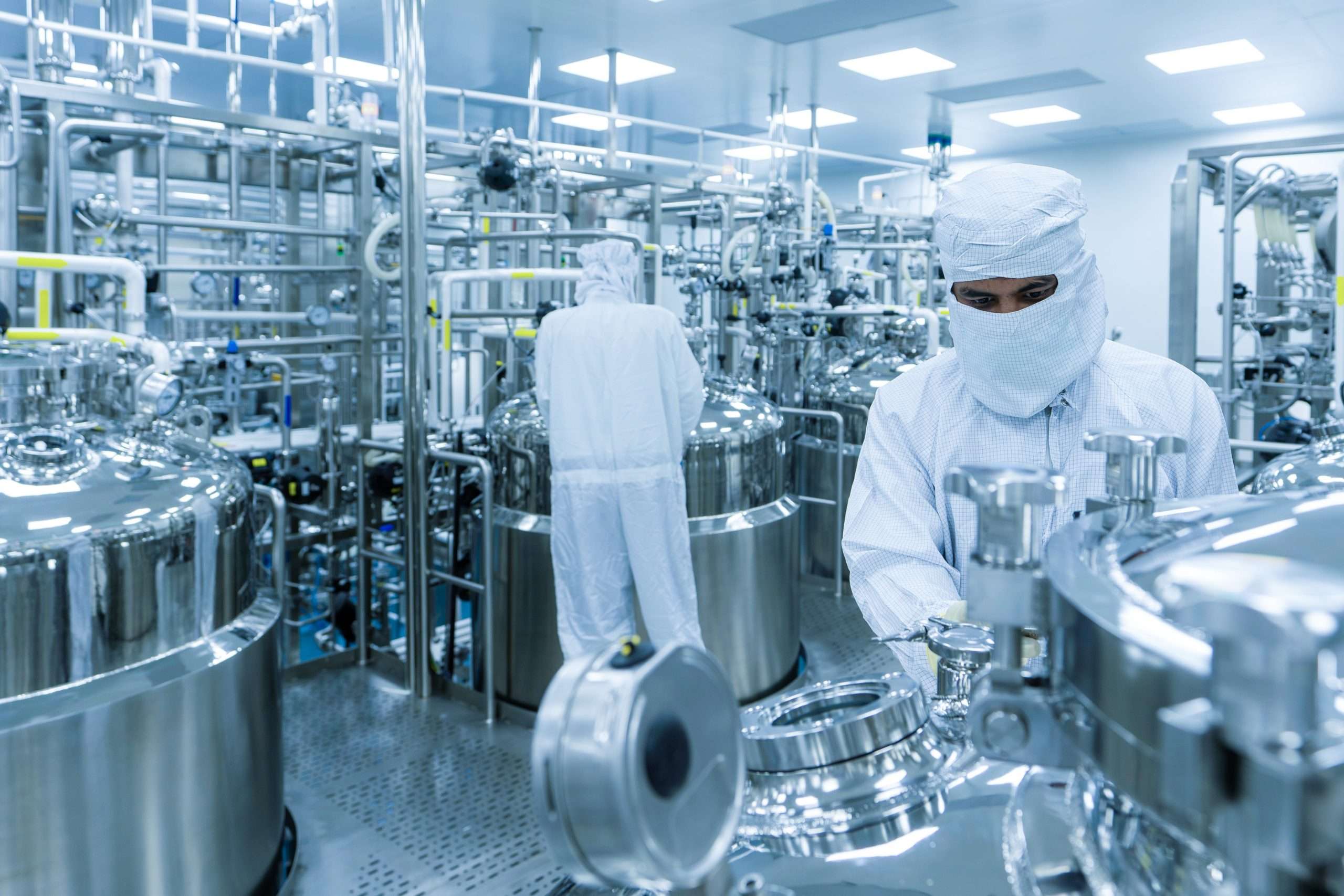
Because bacterial cultures can outcompete each other quickly, contamination can change product quality or cause total batch failure. In industrial fermentation, sterility is protected through CIP/SIP (for stainless-steel systems), sterile filtration of gases and additions, and hygienic line routing that minimises dead-legs.
Common bacteria used in industrial fermentation
Different bacterial hosts are chosen based on growth speed, genetic tools, pathway suitability, and downstream recovery needs.
- Escherichia coli (E. coli): widely used for recombinant protein expression and some enzyme products. It grows fast and is easy to engineer, but intracellular products may require cell disruption and more complex downstream processing.
- Bacillus species (e.g., Bacillus subtilis): common for enzyme production, often with secretion of product into the broth, which can simplify recovery.
- Corynebacterium glutamicum: widely used for amino acids and related metabolites, valued for stable, high-yield production.
- Lactic acid bacteria (e.g., Lactobacillus / Lactiplantibacillus): used in food fermentations and certain organic acid pathways where controlled acid formation is desired.
- Acetic acid bacteria (e.g., Acetobacter): used for oxidative pathways such as vinegar production and related conversions.
The “right” organism is not only about biology—it is about the overall system. A host that produces the target well in a lab flask can still be a poor industrial choice if it foams heavily, is shear-sensitive, or generates impurities that make purification unreliable.
Aerobic vs anaerobic bacterial fermentation
Bacterial fermentation can be run under aerobic or anaerobic conditions, and the difference changes equipment priorities—especially around oxygen supply and off-gas handling.
- Aerobic fermentation: requires reliable aeration and oxygen-transfer; mixing, sparger design, and heat-removal often become the primary design drivers.
- Anaerobic fermentation: requires oxygen exclusion and safe management of produced gases (often CO₂, sometimes hydrogen); mixing is still important, but oxygen-transfer is no longer the limiting constraint.
Many bacterial processes are also oxygen-limited or microaerobic rather than strictly one or the other. In these cases, a small shift in oxygen availability can materially change yield and by-product formation, so control strategy must be set accordingly.
Typical equipment set-up
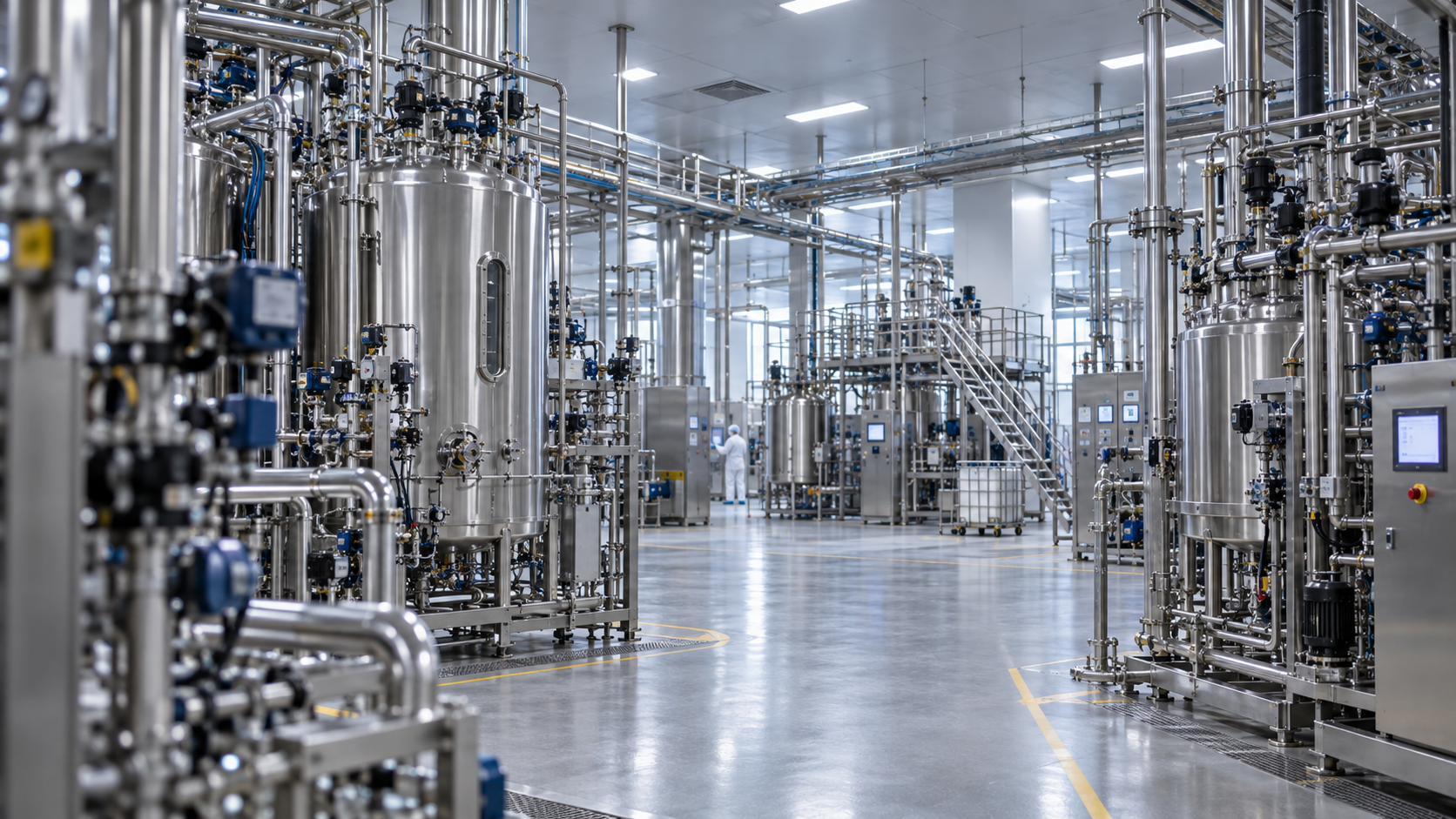
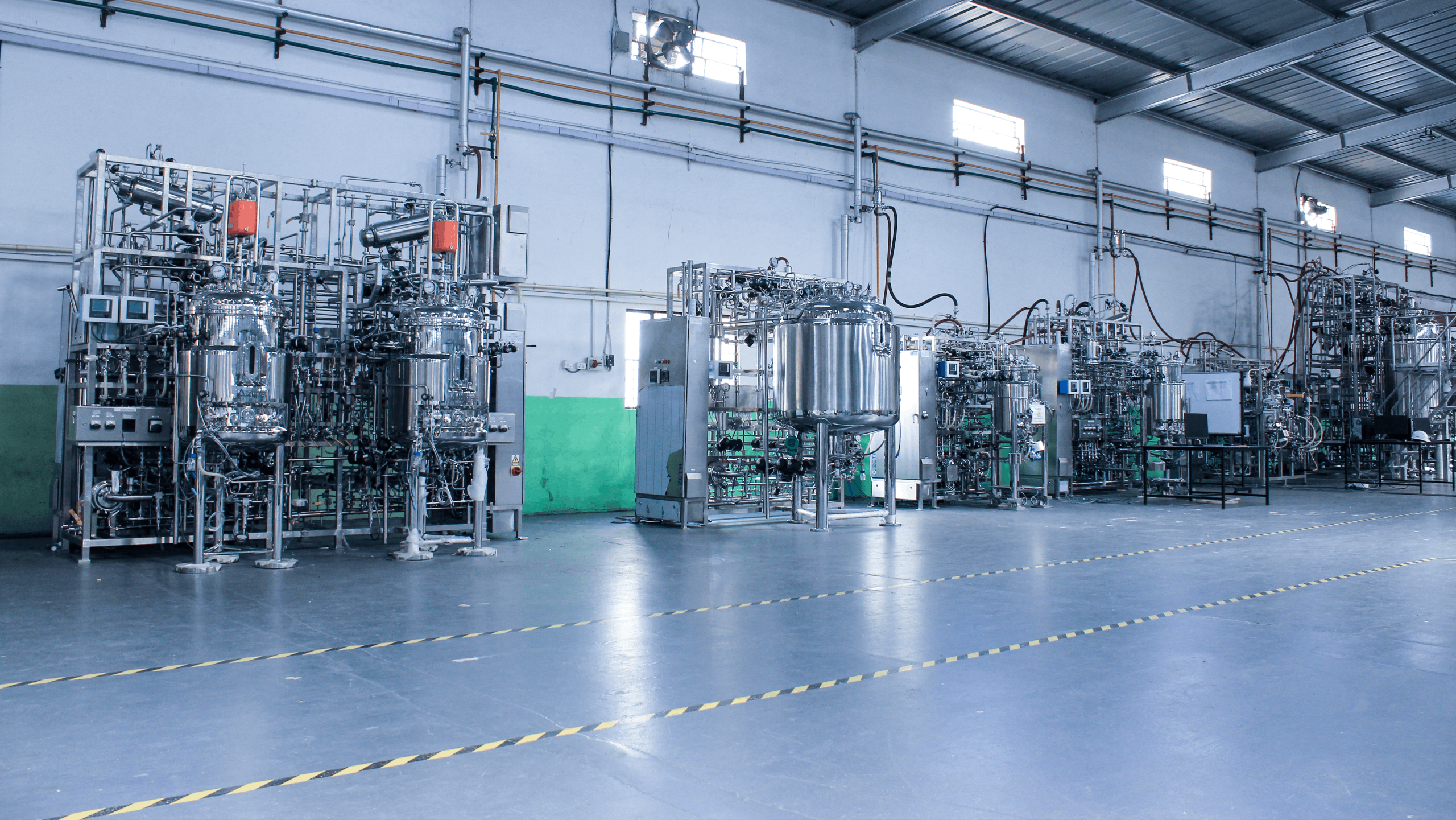
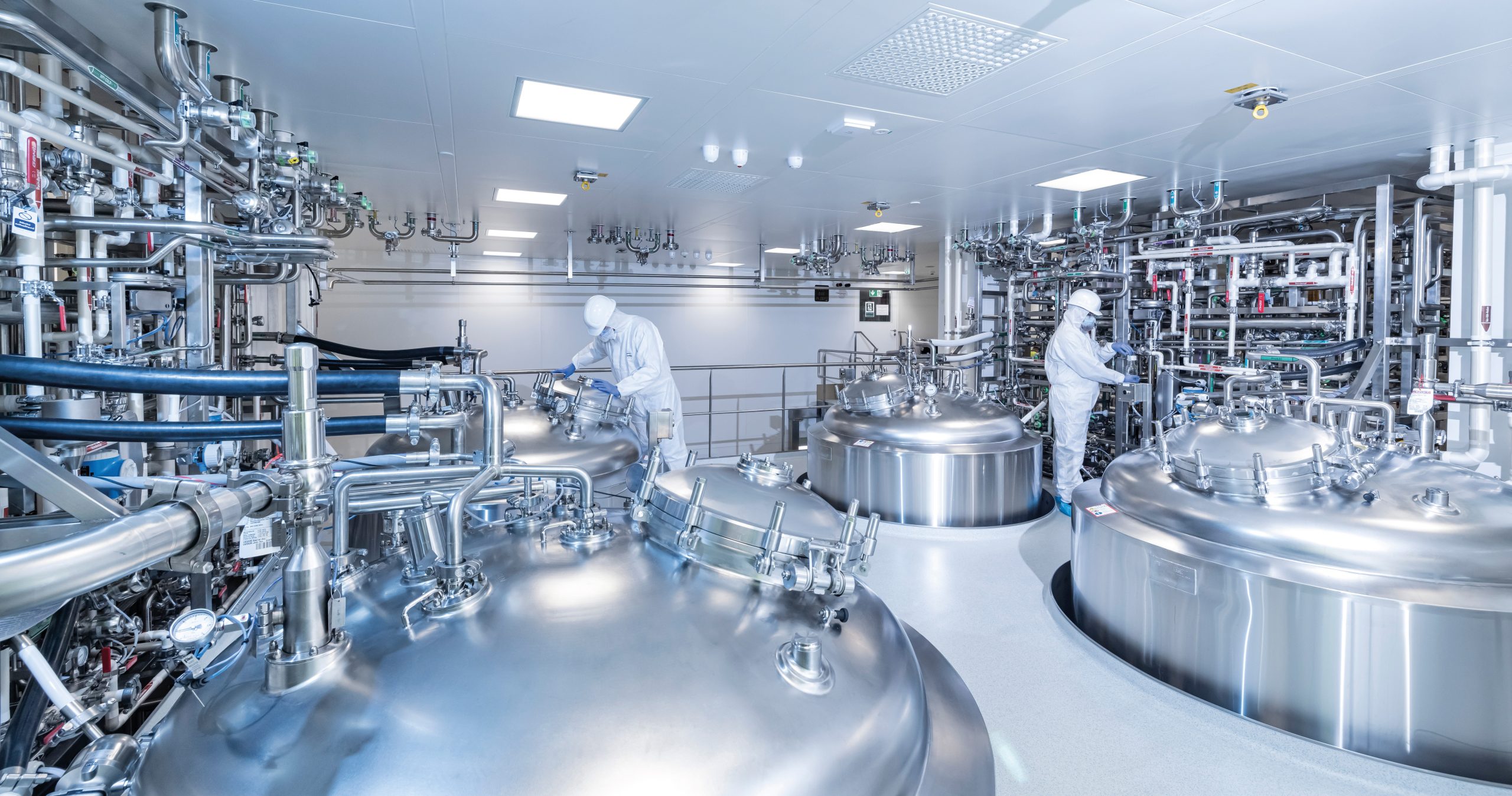
Bacterial fermentation is usually run in a stirred-tank fermenter because it offers direct control over mixing and aeration. A typical industrial set-up includes:
- A stainless-steel vessel designed for hygienic operation and drainability
- Agitation system (motor, shaft, impellers) and baffles (where used)
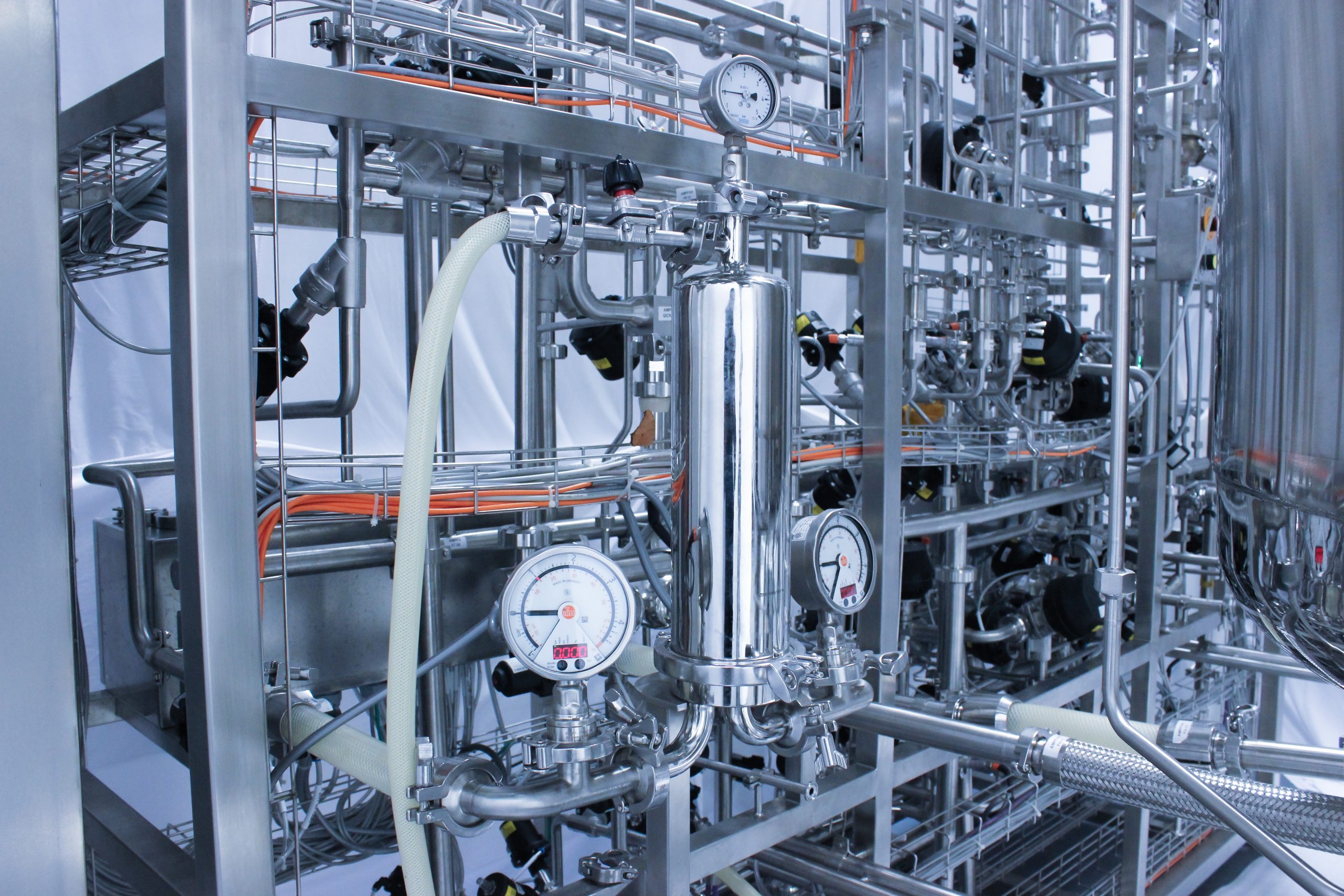
- Gas-inlet train with sterile filters, flow control, and sparger
- Off-gas handling with filters, condensers, and pressure control
- Heat-transfer (jacket, coils, or external loop) sized for peak heat-load
- Instrumentation for temperature, pH, dissolved oxygen, pressure, level/weight, and foam
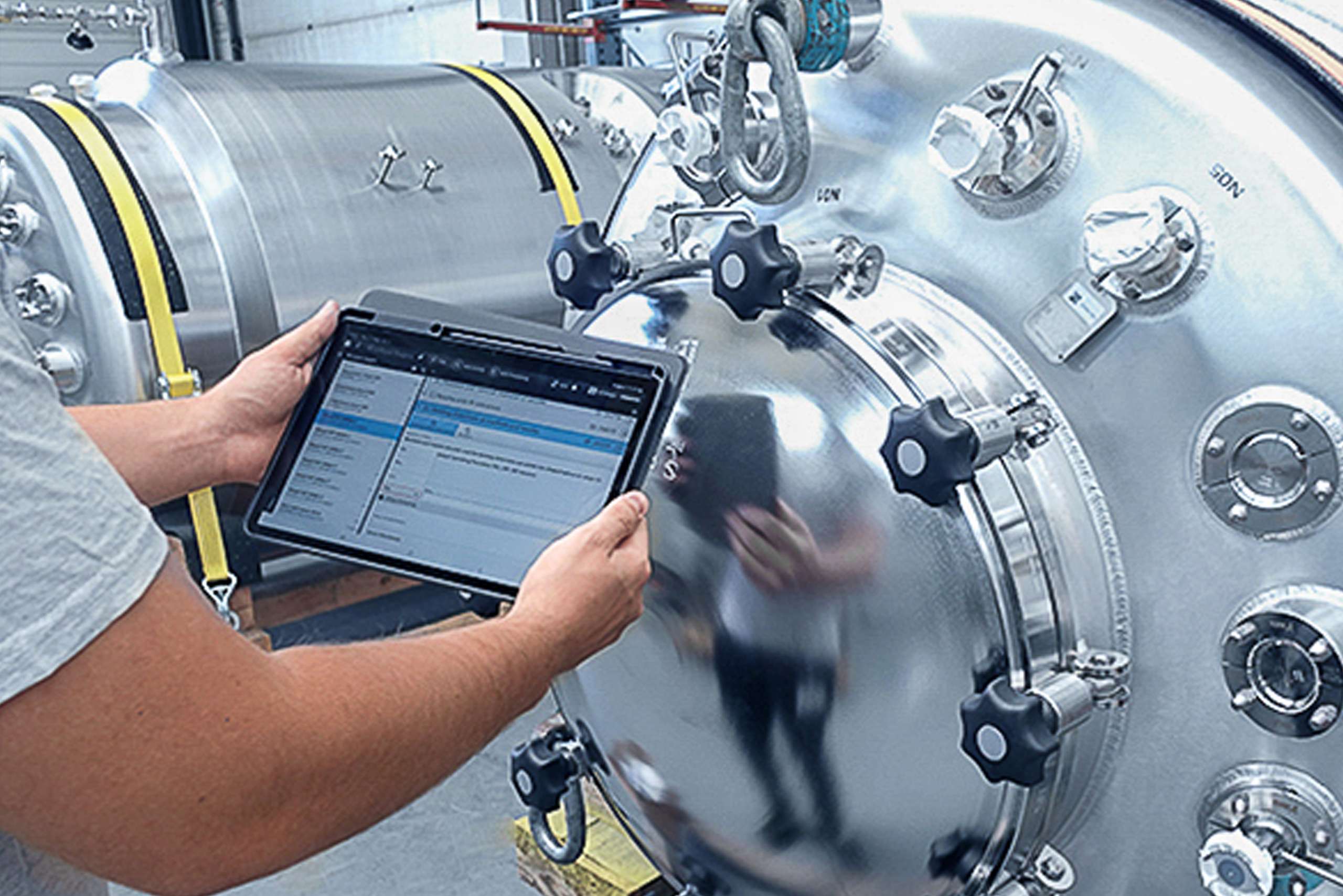
- Automation for recipes, alarms, interlocks, data capture, and batch reporting
Single-use fermentation is more common in some cell-culture workflows than in large bacterial systems, but hybrid approaches can be used at smaller scales where rapid changeover is critical.
Where bacterial fermentation is used
Bacterial fermentation supports multiple sectors:
- Biopharmaceutical and biotech: recombinant protein steps (process-dependent), plasmid DNA, enzymes, and intermediates; some products include antibiotic precursors or other materials produced by fermentation.
- Food and beverage: cultures, acidification, flavour development, and functional ingredients; this includes food products such as fermented foods (for example, yoghurt) where acid formation supports texture, taste, and shelf-life.
- Industrial biotech and chemicals: amino acids, organic acids, solvents, and bio-based building blocks.
- Bioenergy: bacterial routes that support fuel and chemical pathways (process-dependent), including biofuel and bioethanol routes where the target is a renewable output stream.
- Environmental and circular applications: waste-to-value conversions and treatment-adjacent processes where robustness matters.
The same fermenter design is rarely optimal for every application. In the gastrointestinal tract, bacterial fermentation also occurs naturally as microbes ferment carbohydrates, producing acids and other metabolites that can contribute to health benefits—an example of how sensitive fermentation outcomes are to conditions, even outside industrial equipment. Requirements around oxygen-transfer, foaming, cleanability, and material compatibility should be set by the process—not by what is easiest to procure.
Advantages for customers
When bacterial fermentation is engineered correctly, the customer-facing benefits are practical and measurable:
- Reliable, repeatable output: stable control of temperature, pH, and oxygen reduces run-to-run variability.
- Scalable productivity: processes can scale from pilot to production with fewer surprises when oxygen-transfer and heat-removal are designed in early.
- Tailor-made process windows: feeding and control strategies can be tuned to the organism and target product rather than forcing a one-size-fits-all approach.
- Lower contamination risk: hygienic design, CIP/SIP, and controlled additions protect product quality.
- Clearer troubleshooting: structured automation and batch data make investigations faster when performance drifts.
How to choose the right bacterial fermentation approach
If you are specifying a system or building a process route, these checkpoints help prevent downstream surprises:
Define the target and performance goals
Start with titre, productivity, yield, cycle-time, and acceptable batch-to-batch variation. If you need tight consistency (for example, regulated or high-value products), plan for deeper instrumentation and stronger data integrity.
Match the organism to the process window
Confirm oxygen demand, shear sensitivity, viscosity range, foaming tendency, and by-product risks. The best organism is the one that performs reliably in the full operating range—not just under ideal lab conditions.
Identify the limiting factor early
For many aerobic bacterial processes, oxygen-transfer is the bottleneck; for others it may be heat-removal, inhibition, or downstream recovery. Designing around the true limit is more effective than adding complexity later.
Build a robust control strategy
Decide what must be controlled tightly (pH, DO, feed rate, temperature), what can be monitored, and what can be left as manual. A reliable automation layer reduces operator variability and protects sterility by reducing interventions.
Align upstream with downstream
If the product is intracellular, downstream will likely need cell disruption; if the product is secreted, clarification and capture may be simpler. Consider impurities, viscosity, and antifoam use early, because they can define filtration and purification performance.
Conclusion
Bacterial fermentation is a powerful and reliable route for industrial production because it combines fast-growing biology with controllable engineering. When temperature, pH, feeding, and (where relevant) oxygen-transfer are managed in a stable operating window, bacteria can produce valuable products consistently at scale. The most successful projects treat fermentation as a complete system—organism, equipment, control strategy, and downstream recovery designed together—rather than a tank purchase. With that approach, bacterial fermentation becomes a predictable platform for scalable output, quality, and long-term process performance.