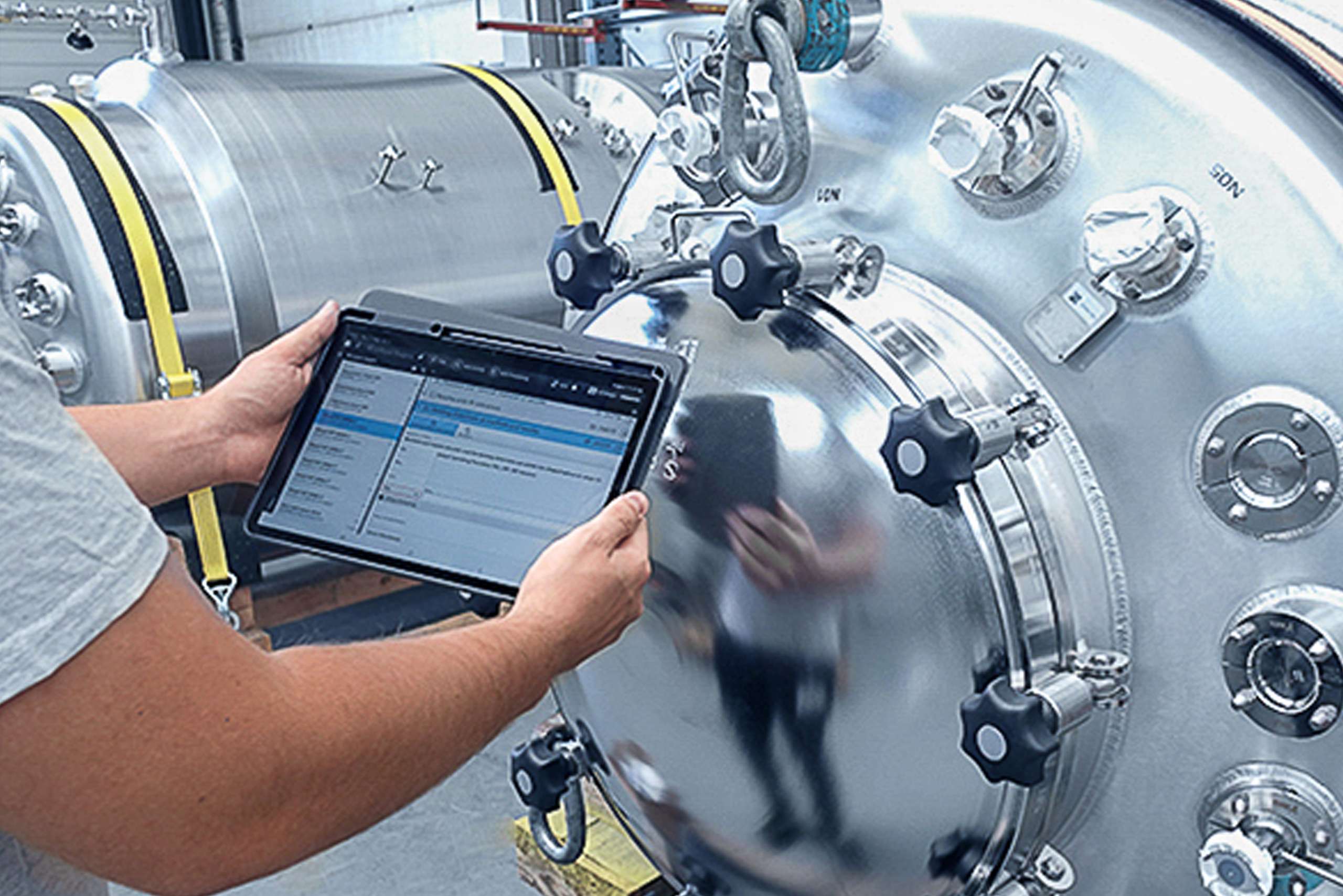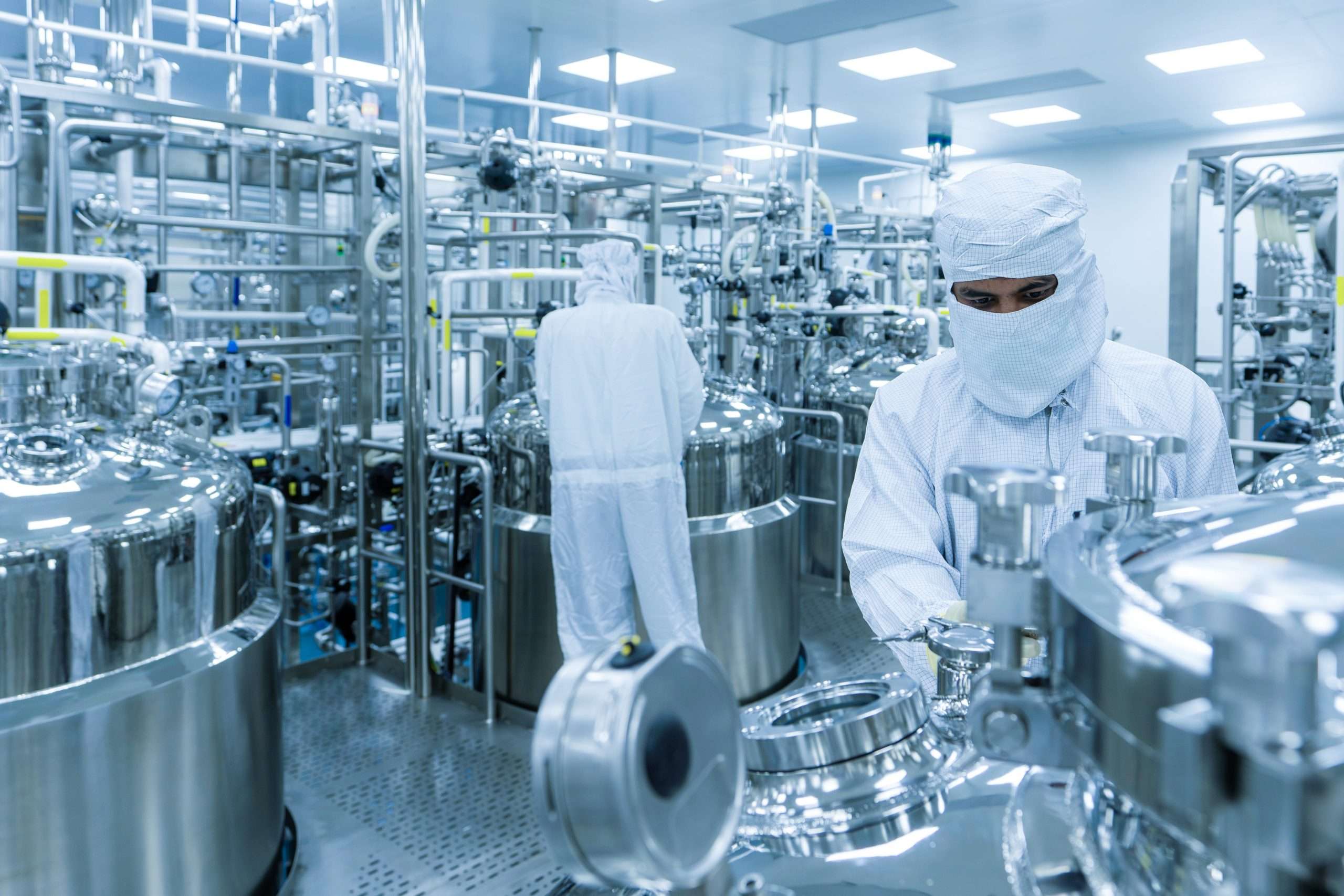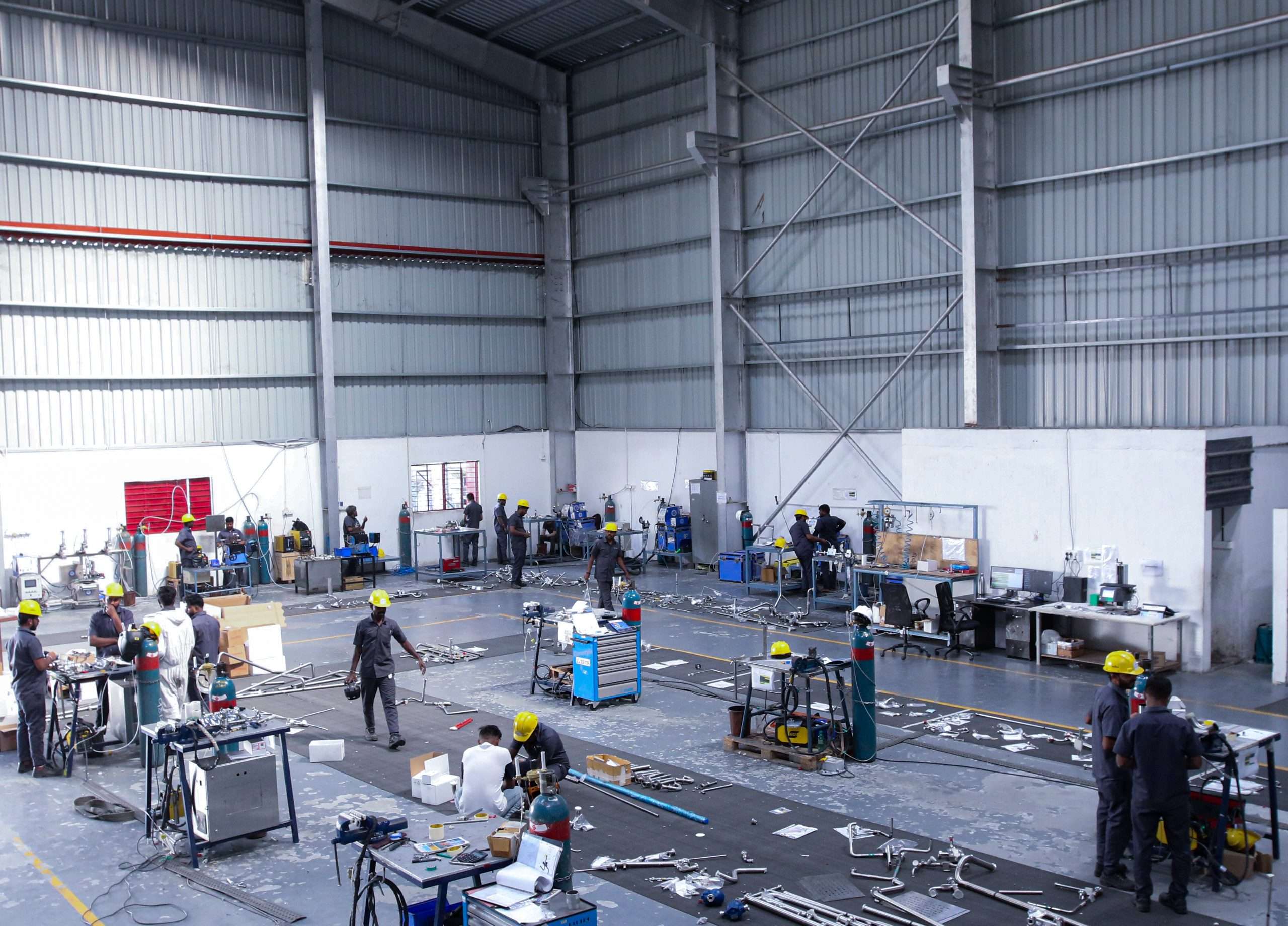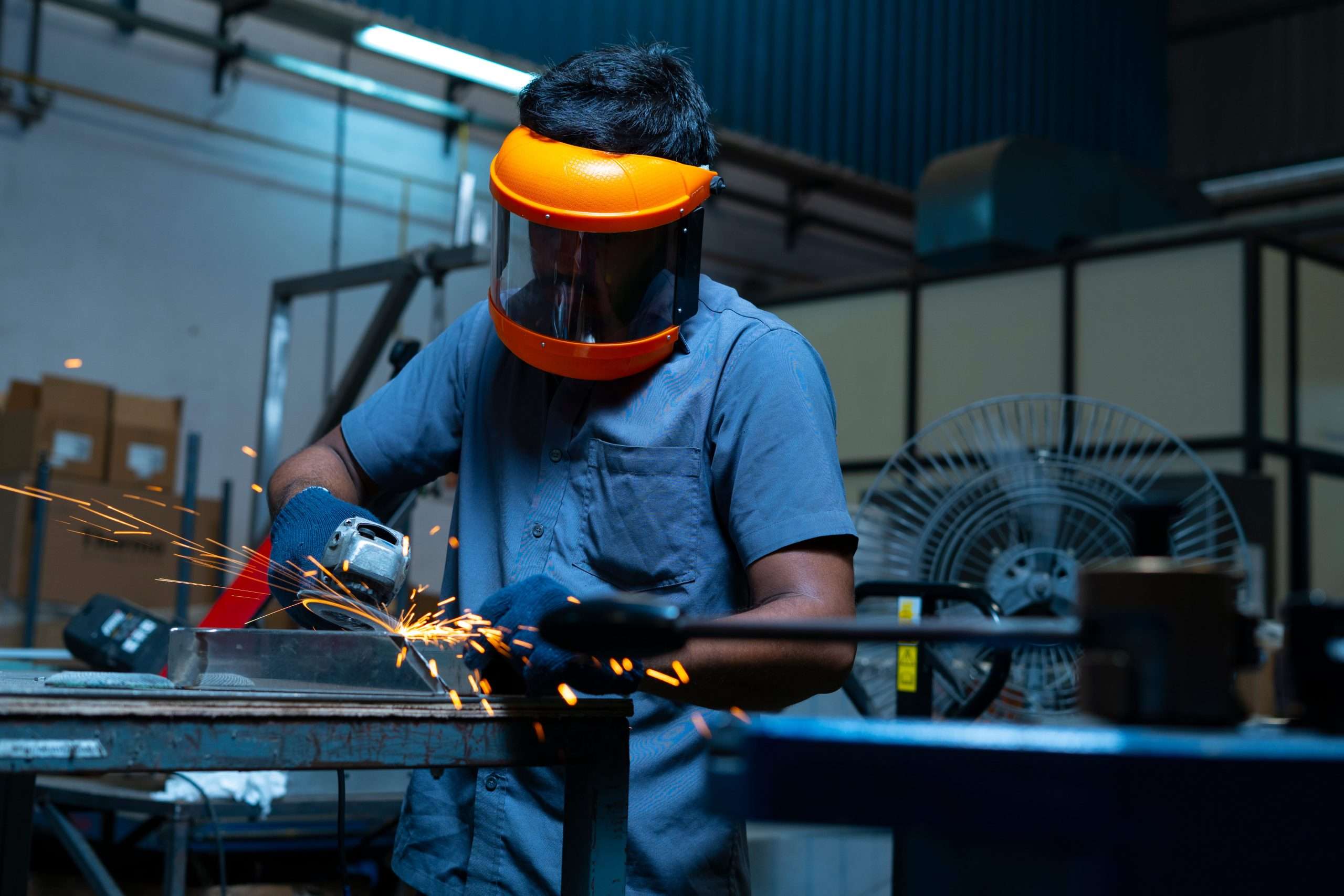

When your process needs reliable productivity without constantly chasing cell losses, a packed-bed fermenter can be a powerful, process-led option. It is especially useful where a highly complex biological conversion benefits from keeping the biocatalyst in place—so you can run longer, more steadily, and with less downtime between batches. For teams looking for a solution-oriented, tailor-made route to continuous or semi-continuous operation, packed-bed systems are often worth serious consideration.
What Is a Packed-Bed Fermenter?
A packed-bed fermenter is a type of bioreactor that contains a stationary packed bed of packing media. (You will also see the broader term packed-bed bioreactor used, because the same configuration is applied to both fermentation and other immobilised bioconversions.) In the broader language of chemical engineering, the same concept is often called a packed bed reactor or packed-bed reactor: a vessel where a fluid stream passes through a fixed structure to enable conversion.
In fermentation applications, the packing provides high surface area where microorganisms can attach and form a biofilm, or where biocatalysts (such as immobilised enzyme) can be retained on a support. Instead of keeping the culture fully suspended (as in a stirred tank), the feed flows through the bed so conversion happens within the structure.
In simple terms: the bed holds the biology in place, and the process stream moves through it.
How a Packed-Bed Fermenter Works
Packed-bed performance comes down to three interacting elements: (1) how well the biology attaches or remains immobilised, (2) how evenly the fluid flows through the bed, and (3) whether mass transfer is sufficient to keep the biology productive.
Immobilisation and cell retention
The key differentiator is that biomass is retained in the bed rather than being carried out with the product stream. Cells may:
- attach naturally to packing materials and form a stable biofilm, or
- be immobilised deliberately (for example, entrapped in gels or bound to carriers), or
- be retained as a high-density community within porous packing.
In practical terms, the packing can be made up of structured media, granular supports, or discrete particle forms such as beads or a porous pellet carrier. Packed beds may also contain mixed media designed to balance surface area with flow distribution.
This retention can raise effective cell concentration dramatically, which often supports higher volumetric productivity—particularly in continuous operation.
Flow-through conversion and residence time
A defined feed (substrate, nutrients, and process water) enters the vessel and passes through the bed at a controlled flow rate. As it travels throughout the bed, the microorganisms convert the substrate into the target product. The treated stream exits at the outlet and can be sent to downstream processing or directly to use, depending on product requirements.
Residence time is a major lever: slower flow generally increases conversion, but it also changes hydrodynamics, oxygen availability (if aerobic), and the risk of gradients.
From an engineering point of view, superficial velocity helps determine how evenly liquid distributes, how quickly nutrients reach the biofilm, and how much pumping head you need to maintain operation.
Transport limits, gradients, and heat removal
Because the biology sits on a surface, the process must deliver what it needs and remove what it produces without creating underperforming zones.
Common limitations include:
- substrate gradients along the bed length (high at inlet, low at outlet)
- oxygen-transfer limits in aerobic packed-beds (especially at higher biomass density)
- diffusion limits inside biofilms or porous carriers
- heat build-up in larger beds if heat transfer is inadequate
Fermentation is typically exothermic because cellular metabolism releases heat. In a packed bed, that heat can be harder to remove than in a well-mixed tank, which increases the risk of local hot spots and performance gradients if temperature management is under-specified, so design should be based on worst-case heat load rather than averages.
Key Components of a Packed-Bed Fermenter
While designs vary, most packed-bed fermenters include these building blocks:
- Vessel and housing: stainless steel or polymer housings designed for pressure, hygiene, and service access.
- Packing media: structured or random packing materials selected for surface area, mechanical strength, and cleanability.
- Bed geometry: the bed is treated as a fixed bed, and its void fraction (how much open space exists between media) strongly influences flow, pressure drop, and mass-transfer performance.
- Inlet distribution system: designed to spread the feed evenly across the bed cross-section and reduce channelling.
- Outlet collection and support screens: retain packing, prevent carryover, and minimise dead zones.
- Instrumentation: temperature, pH (often inlet/outlet), and differential pressure monitoring.
In many installations the reactor resembles a packed column, where the performance depends as much on distribution and hydraulics as it does on biology.
Common Types and Configurations
Packed-bed fermenters are often described by flow direction and how the bed is operated:
- Downflow fixed-bed: feed enters at the top and flows downward; simple, but more prone to channelling if distribution is poor.
- Upflow fixed-bed: feed enters at the bottom and flows upward; can improve wetting in some systems and reduce certain gas hold-up issues.
- Trickle-bed (aerobic, process-dependent): a trickle bed reactor format where liquid trickles over packing while gas flows through; useful for gas exchange but sensitive to wetting and distribution.
- Recirculating packed-bed: part of the outlet is recirculated to stabilise conditions, reduce gradients, and manage temperature.
The “best” configuration depends on the organism, viscosity, gas requirements, fouling tendency, and hygiene strategy.
Advantages for Customers
- High cell density and strong productivity: immobilisation can raise effective biomass levels, supporting higher output per unit volume.
- Stable long run-times: packed beds can operate for extended periods, reducing changeover frequency.
- Gentle handling for sensitive biology: low-shear hydrodynamics can suit shear-sensitive cells or fragile biocatalysts.
- Process intensification potential: cell retention can reduce reactor size for a given throughput (process-dependent).
- Energy efficiency (in some set-ups): less mechanical agitation can reduce power draw compared with stirred systems.
Where Packed-Bed Fermenters Are Used
Packed-bed fermenters are most common where immobilised cells or biofilms provide a performance advantage.
- Biocatalysis and immobilised conversions: packed-bed bioreactors are widely used to retain immobilised cells or an immobilised enzyme, enabling stable conversion with predictable residence time (not all of these use-cases are strictly “fermentation”, but the reactor principle is the same).
- Environmental and circular processes: biofilm-based packed beds are widely used in waste-water and waste-to-value contexts, where robustness and long run-times are priorities and biomass retention improves stability.
- Anaerobic processes (process-dependent): fixed-bed anaerobic bioreactors are used in some digestion and treatment settings where biomass retention supports conversion stability.
- Solid-state pathways (selected use-cases): packed-bed solid-state fermentation can use moist solids as both carrier and feedstock—for example, lignocellulosic residues such as sugarcane bagasse in pilot and industrial trials (process-dependent).
The key point is that packed-bed systems are typically chosen because they solve a specific process constraint—usually cell retention, shear, or long-run stability.
Practical Challenges and Trade-Offs
Packed-bed fermenters can perform extremely well, but they come with engineering realities that must be designed in from the start.
Flow distribution and channelling
If liquid does not distribute evenly, it will take preferential paths through the bed (channelling). That reduces effective residence time in parts of the reactor and can create under-utilised zones. Good distributors and appropriate media selection are common mitigations.
Pressure drop and fouling
As biomass builds and biofilms thicken, pressure drop increases—often tracked as the pressure drop across the bed. Higher ΔP can limit flow, raise pumping costs, and eventually force a shutdown for cleaning or bed replacement. Monitoring this trend is therefore not optional; it is a core health indicator.
Oxygen-transfer limitations (aerobic systems)
In aerobic packed-beds, supplying oxygen throughout the bed can be difficult at high cell density, which is one reason many large-scale aerobic production processes still favour stirred tanks unless the biology and geometry are well proven for a packed format. Trickle-bed configurations, oxygen-enrichment, and careful gas–liquid management may help, but oxygen limitation remains a common scale-up risk.
Cleaning, sterilisation, and validation
Packed structures increase surface area and create potential hold-up zones. That can make clean-in-place and sterilisation-in-place more demanding than in stirred tanks, particularly when the packing is not easily removable.
Scale-up risk
Packed-bed scale-up is not only about making the vessel bigger. Bed height, diameter, packing geometry, distributor design, and hydrodynamics all influence gradients and pressure drop. A system that performs at pilot-scale can behave differently once scaled-up if distribution, gas-handling, or heat removal are not re-engineered.
How to Choose the Right Packed-Bed Fermenter
A process-led selection approach helps confirm whether a packed-bed is the right fit and, if it is, how to specify it.
- Confirm why you want a packed-bed
- Is the driver cell retention, shear sensitivity, long-run stability, or footprint?
- What performance gap will the packed-bed solve compared with a stirred tank?
- Define the biology and immobilisation strategy
- Will the organism naturally form a stable biofilm on the selected packing?
- Do you need a specific carrier or immobilisation method?
- Set conversion and residence time targets
- Required outlet quality, conversion level, and allowable variability.
- Flow range, turndown, and how you will manage start-up and steady operation.
- Engineer for distribution and hydraulics
- Distributor design, void fraction, and expected fouling rate.
- Differential pressure monitoring and early-warning alarms.
- Decide on hygiene and service strategy
- Cleaning approach, validation needs, and whether packing is fixed or replaceable.
- Turnaround time expectations and spares strategy for carriers/modules.
- Plan integration and downstream impact
- How the outlet stream connects to downstream processing.
- Whether the product stream contains cells (it often contains fewer cells, but not always).
Conclusion
A packed-bed fermenter retains cells or biocatalysts on a structured bed so the process stream can flow through and be converted efficiently over time. Its biggest advantage is stability: high cell density, low shear, and long run-times that can reduce changeovers and support consistent output. The trade-offs are real—distribution, pressure drop, oxygen-transfer (for aerobic systems), and cleanability must be engineered in rather than assumed. When selected for the right use-case and designed around the process window, a packed-bed fermenter delivers reliable performance where cell retention and steady conversion are the priority.