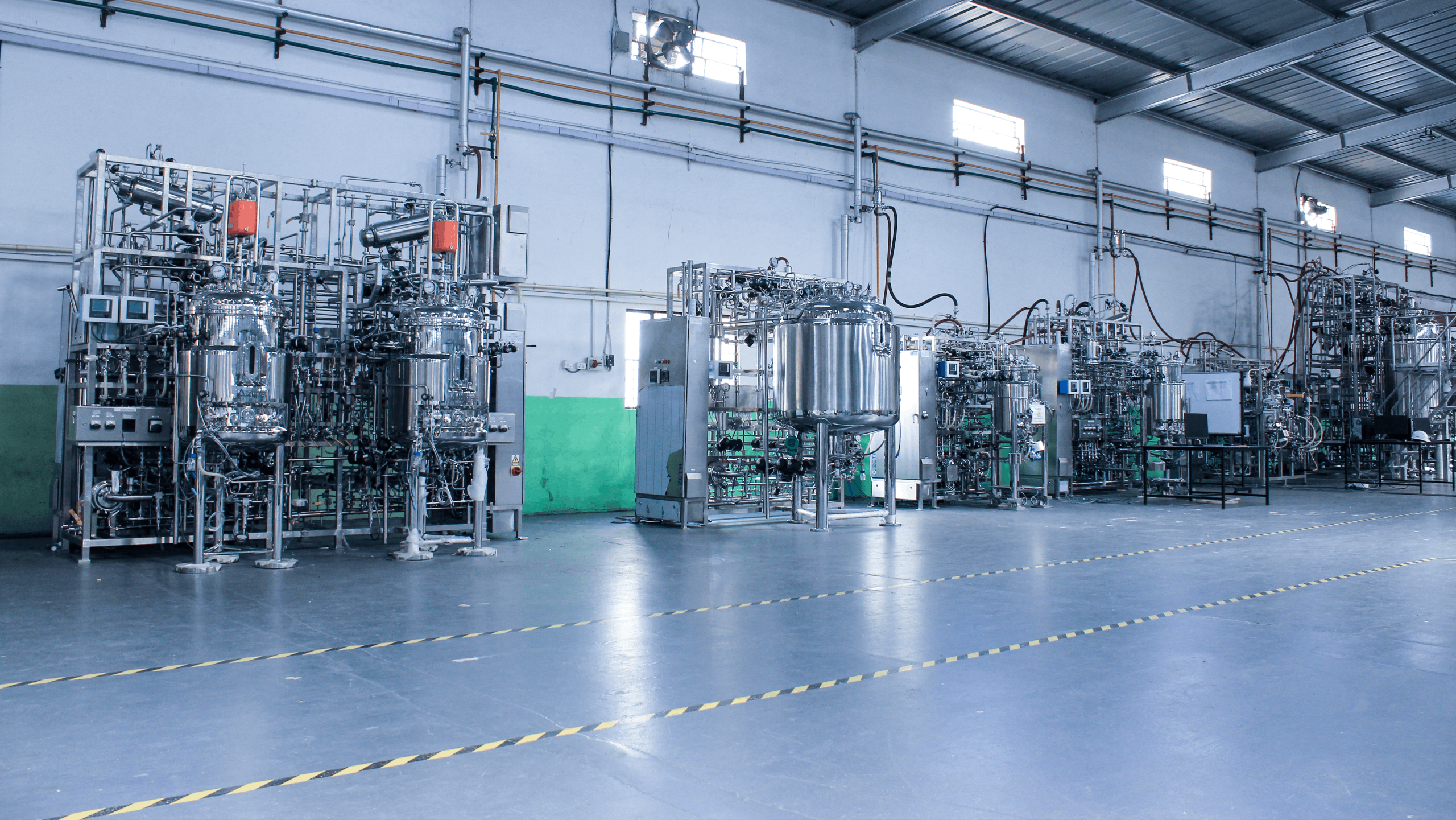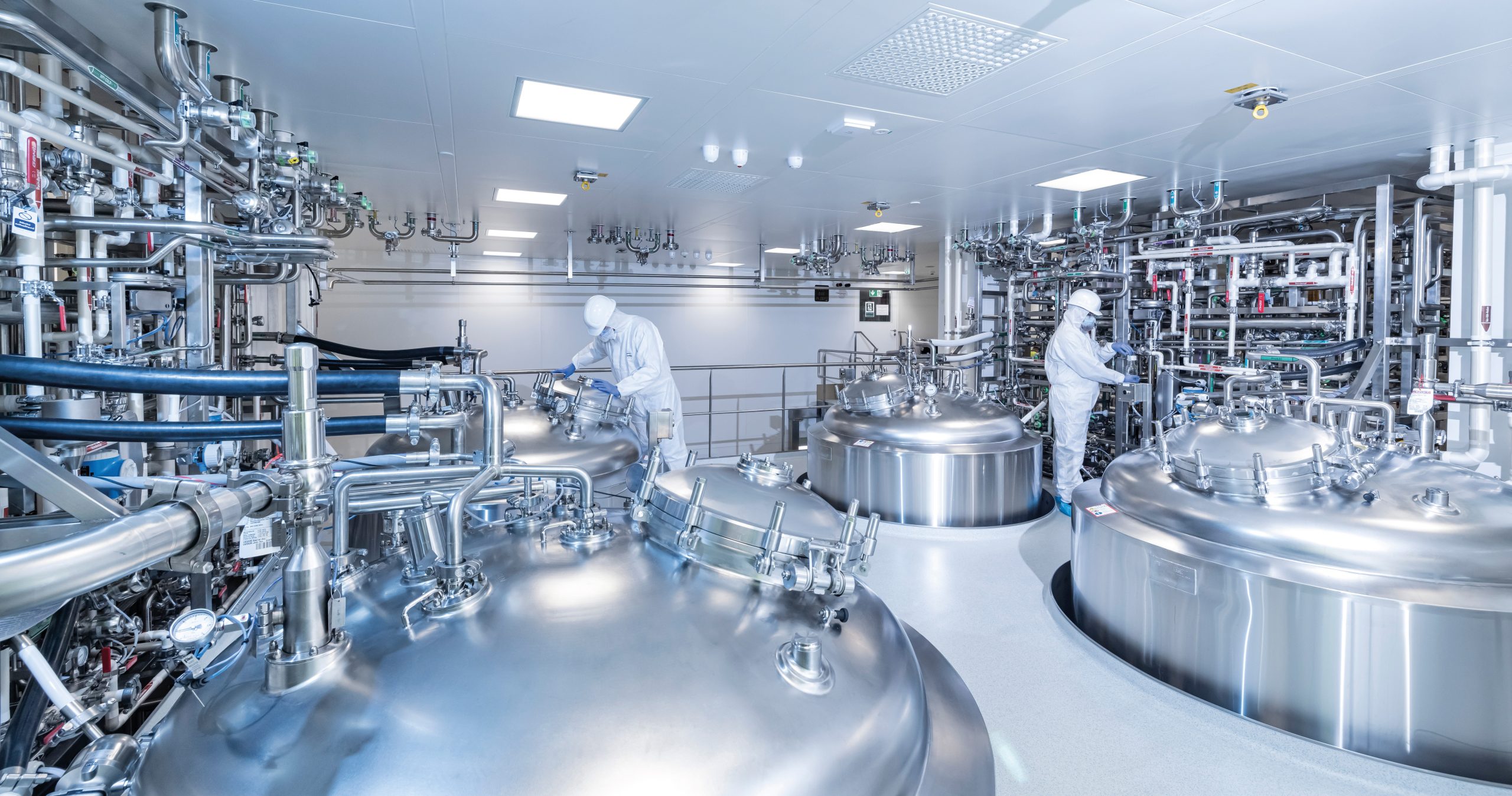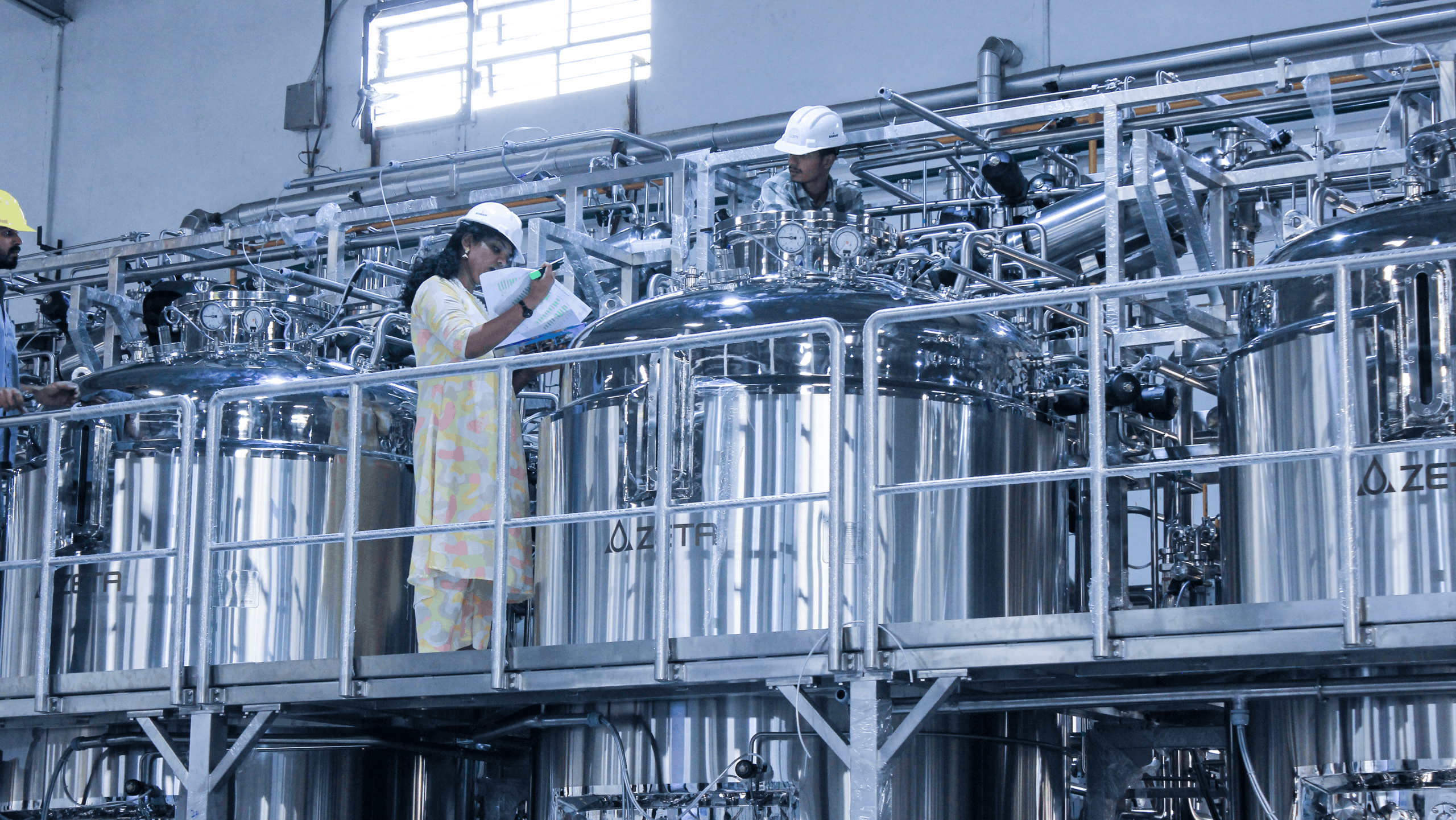

If you need reliable, scalable fermentation performance—especially where oxygen transfer, temperature stability, and tight control really matter—a stirred tank fermenter is often the most dependable choice. It is the industry’s problem-solver for processes that are highly complex at scale, because it gives you direct, adjustable control over mixing and gas dispersion. When consistency, productivity, and repeatability are non-negotiable, this is a proven, solution-oriented baseline.
What Is a Stirred Tank Fermenter?
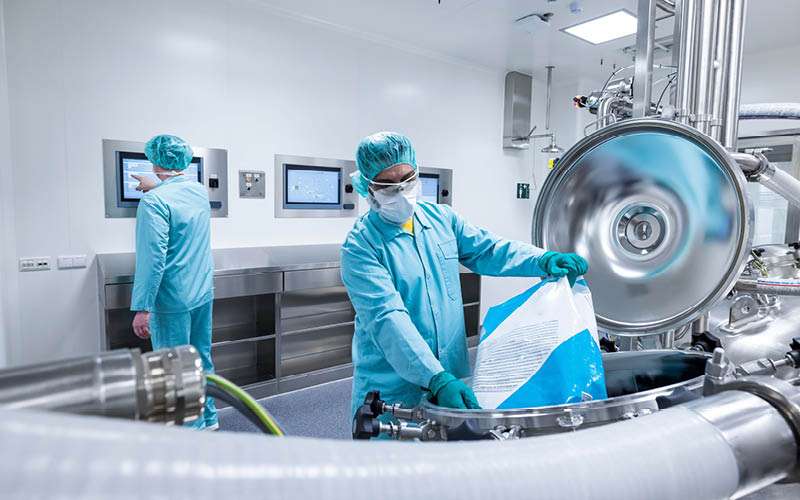
A stirred tank fermenter—also called a stirred tank bioreactor—is a contained reactor used for fermentation and wider bioprocessing. In practice, “contained” means the process runs in an enclosed vessel with controlled inputs/outputs, while gases can be exchanged and samples taken aseptically. A motor-driven agitator turns an impeller (or several impellers) to keep the liquid phase mixed, ensuring the culture experiences uniform conditions throughout the working volume.
In industrial microbial fermentation, this design is widely used because it supports stable temperature and pH, predictable aeration, and consistent mixing as the broth changes during growth. The same hardware family is also common in cell culture, including mammalian cell processes for cell lines, where gentler shear management is often required.
Working Principle: How a Stirred Tank Fermenter Works
A stirred tank fermenter combines three core functions into one integrated system: mixing, gas transfer, and heat transfer. Getting these three right is what turns a tank into a scalable production asset.
Mixing, agitation, and uniformity
Inside the vessel, the impeller set generates circulation patterns that keep the broth homogeneous. Baffle plates on the vessel wall reduce vortexing and improve bulk mixing, helping deliver even distribution of nutrients and reducing local gradients.
Impeller selection is process-led. For example, radial flow impellers can be useful for gas dispersion, while other geometries may be chosen to reduce shear on sensitive organisms. The goal is not “maximum” mixing—it is the right agitation rate and flow pattern to maintain stable conditions as viscosity and biomass change.
Aeration, oxygen delivery, and mass transfer
For aerobic production, oxygen availability is frequently the limiting factor, so aeration design matters. A sparger introduces sterile air at the base, creating gas bubbles that must transfer oxygen into the broth. Agitation breaks up bubbles and increases gas-liquid contact, improving mass transfer and stabilising dissolved oxygen. In more sensitive cell-based applications, gas rates and distribution are typically tuned to reduce bubble-related stress while still meeting oxygen uptake requirements.
In practice, teams tune agitation and aeration together as an oxygen delivery system—balancing oxygen demand against energy use, foam behaviour, and shear. This becomes more critical as you move from small scale to larger volumes, where the same process can behave differently.
Heat transfer, temperature control, and process stability
Fermentation is often exothermic, and heat load typically rises during peak growth. Stirred tanks commonly use jackets and, in some designs, an internal coil to remove heat and maintain tight temperature control. Strong circulation helps prevent hot spots and keeps the culture within the intended operating window.
Key Parts of a Stirred Tank Fermenter
While bioreactor design varies by supplier, most stirred tank bioreactor systems share these building blocks:
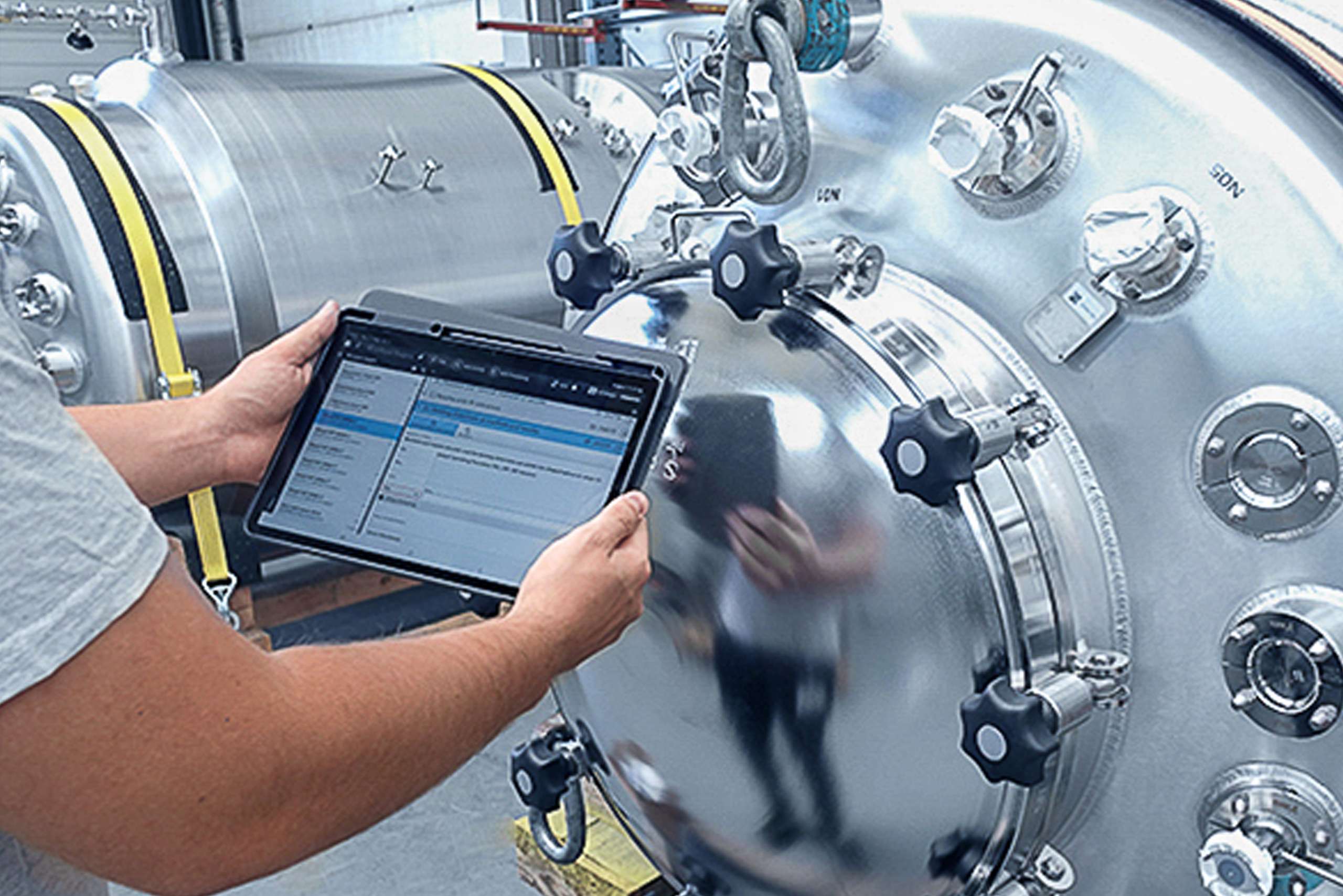
- Vessel and headplate: typically stainless steel (often 316L) with hygienic finishes, drainability, and a defined working volume.
- Agitator, shaft, and impeller blades: the mechanical mixing assembly; multi-stage configurations may use a set number of impellers to maintain circulation in taller vessels.
- Baffles: improve mixing efficiency and reduce vortex formation.
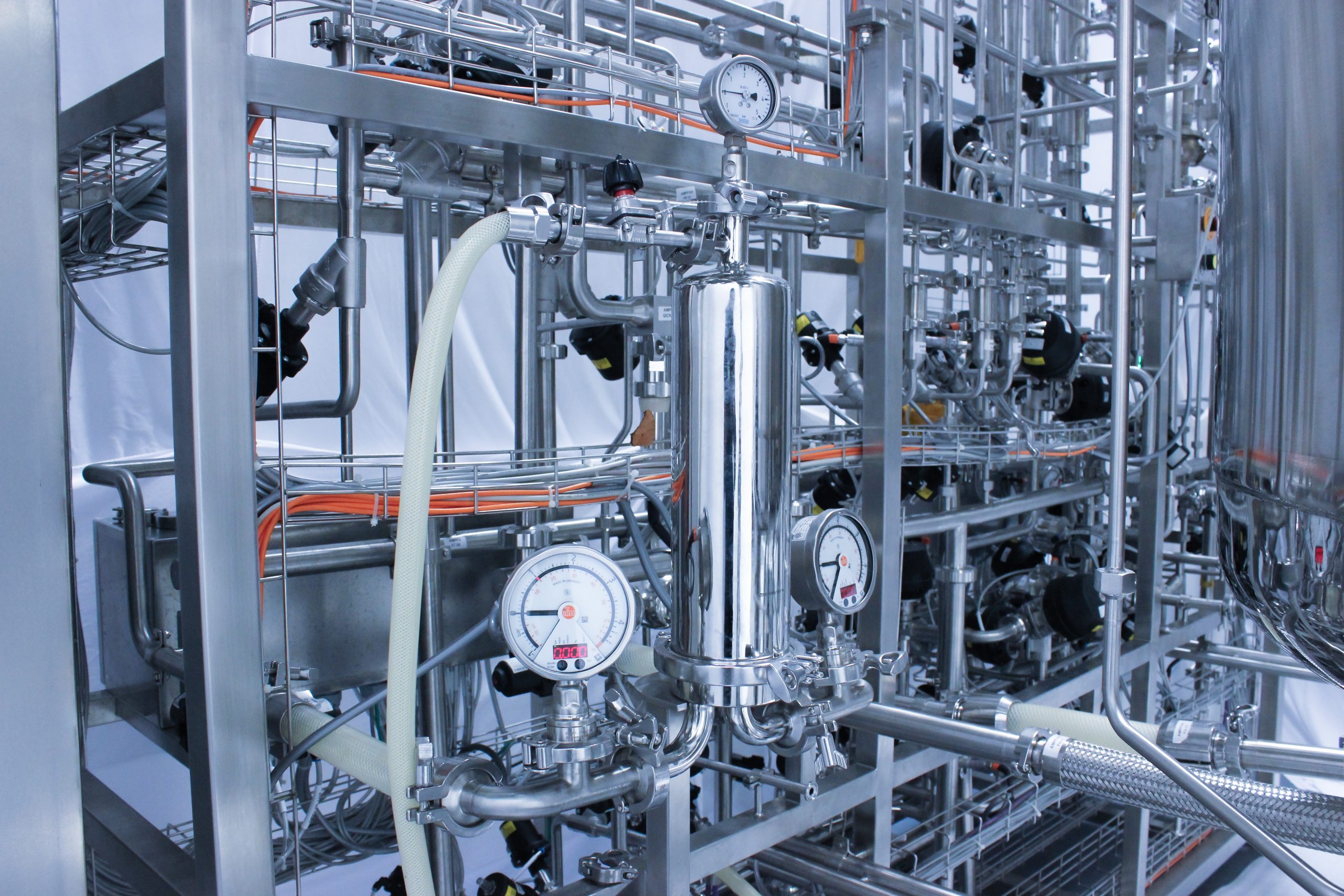
- Gas train and sparger: introduces sterile air/oxygen and supports stable gas-flow control for oxygen transfer.
- Instrumentation: probe ports for pH, dissolved oxygen, temperature, and pressure; plus sampling ports for aseptic sampling.
- Control system: stabilises key variables through closed-loop control, often including a pH control system and alarms.
- Foam management: a foam control system may use foam probes and antifoam dosing to reduce carryover.
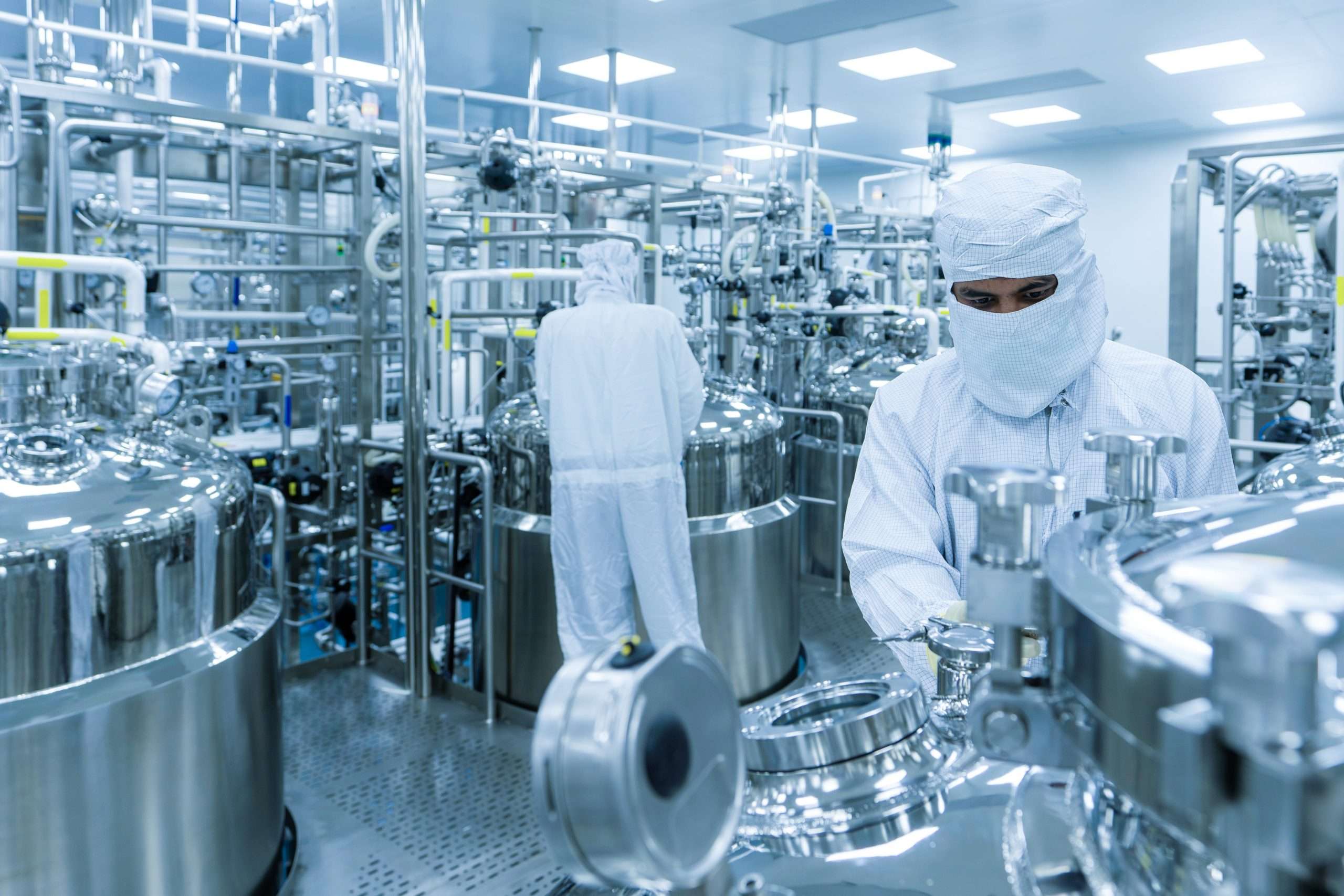
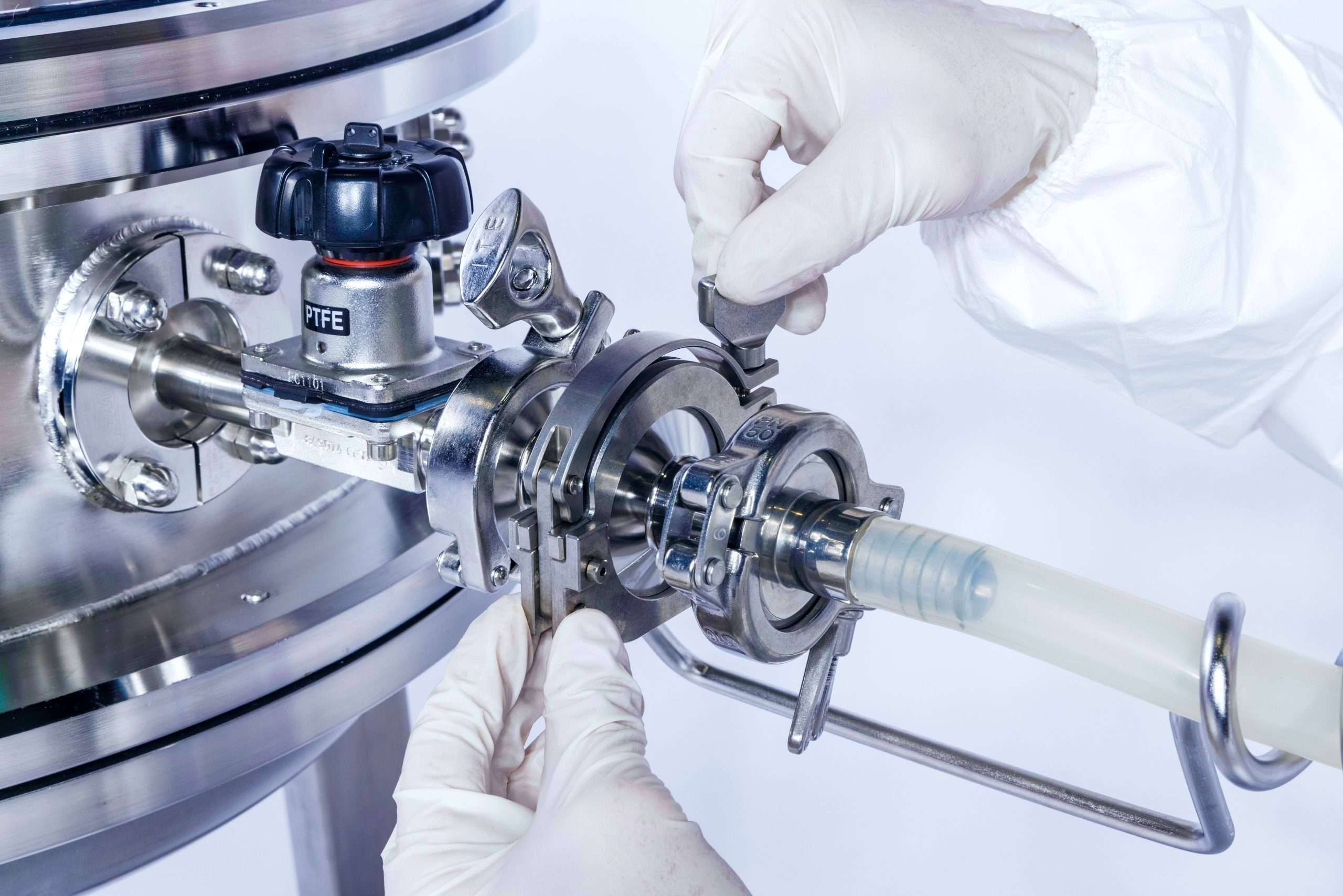
- Cleaning and sterility: integrated sterilization in place and cleaning and sterilization routines reduce contamination risk and support repeatability.
Depending on the application, you may also see single-use options at smaller volumes. These single-use systems can accelerate changeovers and reduce cleaning burden, and they are typically supplied pre-sterilised rather than sterilised in place, but they come with limits around heat removal, mixing energy, and scale.
Advantages for Customers
- Repeatable performance: strong mixing and control help stabilise yields and reduce batch variability.
- High oxygen-transfer capability: suited to oxygen-demanding microbial processes.
- Scalable design logic: easier to translate pilot learning into a robust specification for scale-up.
- Process flexibility: impellers, spargers, and controls can be tailored to different products and organisms.
- Operational reliability: established engineering and maintenance practices support long production campaigns.
Common Applications
Stirred tanks are used across industries wherever controlled biological conversion is required.
- Industrial biotech and chemicals: organic acids, amino acids, and enzyme production.
- Food and beverage: yeast propagation, starter cultures, and fermented ingredients.
- Biotech and biopharma (microbial steps): microbial-derived intermediates and certain recombinant products.
- Bioenergy: cost-driven pathways such as bioethanol.
In each case, the operating mode matters. Many stirred tanks run batch or fed-batch processes, while some are configured for continuous production where the process and sterility strategy support it.
Design Choices That Make (or Break) Performance
A stirred tank is not “one standard design.” The details determine whether it performs in production or becomes a constraint.
Impeller choice, shear, and culture protection
More mixing can improve oxygen transfer and gradient control, but higher speeds can increase shear forces. That can be acceptable for many microbes, but it can harm more sensitive organisms—especially certain mammalian cell cultures. Impeller type and speed should therefore be matched to organism tolerance and process needs, not chosen by habit.
Foam and gas handling
Foam is often driven by gas rate, broth composition, and agitation intensity. While antifoaming agents can help, persistent foam usually signals a need to adjust aeration strategy, impeller selection, or headspace design.
Sterility and contamination risk
Sterility expectations vary by industry, but contamination is always expensive. A practical hygiene strategy includes robust SIP coverage, aseptic connections, and a realistic validation approach. For lab and pilot work, some systems rely on an autoclave for vessel sterilisation; at industrial scale, integrated SIP is more typical.
Scaling and power input
As volume increases, maintaining comparable mixing and oxygen performance can require significant power. The best scaling approach is process-led: define the critical constraints (oxygen demand, heat load, foaming, viscosity) and specify hardware and utilities around them.
How to Choose the Right Stirred Tank Fermenter
A process-led framework helps avoid downstream surprises:
- Define your mode and targets
- Batch, fed-batch, or continuous?
- Target titre, productivity, cycle-time, and allowable variability.
- Understand organism and broth behaviour
- Oxygen demand and sensitivity to shear.
- Expected viscosity range, solids content, and foaming tendency.
- Set oxygen and mixing requirements
- Dissolved oxygen control range.
- Gas-flow capability and back-pressure strategy (where applicable).
- Confirm utilities and heat removal
- Cooling capacity during peak growth.
- Steam, chilled water/glycol, compressed air, and clean utilities availability.
- Decide instrumentation depth
- The right level of sensors and control for repeatable operation and investigations.
- Plan operational reality
- Maintenance access, spares strategy, and turnaround time between runs.
If these choices are anchored to your process window, the result is a stirred tank fermenter that is truly tailor-made for long-term performance.
Conclusion
A stirred tank fermenter (often shortened to STR, and pluralised as STRs) is a mechanically mixed fermentation vessel built for strong control of mixing, oxygen transfer, and temperature. Its main advantage is flexibility: with the right impeller, sparger, and control strategy, it can support a wide range of microbial and cell-based processes at scale. The best results come from process-led specification, where oxygen demand, shear sensitivity, heat load, and hygiene requirements shape the design. When configured correctly, it delivers repeatable performance and stable product quality run after run.