
Upstream bioprocessing is where most of the value in biomanufacturing is created—or quietly lost. If you can keep microorganisms or cells healthy, productive, and operating inside a stable process window, you unlock better quality and yield, more consistent product quality, and smoother scale-up. If you cannot, downstream teams inherit variability, difficult impurity profiles, and an expensive clean-up problem.
In practice, upstream is the start of the upstream manufacturing process that determines how fast you can move from process development to a scalable production process. When upstream is designed for maximum efficiency, it shortens investigations, improves repeatability, and can reduce time to market for a biopharmaceutical or vaccine programme.
This guide explains what upstream bioprocessing is, how it works in practice, the key stages and decisions, and how to specify a solution-oriented upstream process that is reliable at pilot and production scale—so upstream and downstream processes stay aligned.
What is upstream bioprocessing?
Upstream bioprocessing covers all activities that take place before product harvest and downstream processing. It is the upstream process that feeds the downstream process: upstream creates the stream that downstream bioprocessing must clarify, purify, and polish into the purified final product. It includes selecting and preparing the biology (microbial strains or cell lines), building the seed train, media preparation for culture media and cell culture media, running the bioreactor (fermentation or cell culture), and controlling the critical process parameters that drive cell growth and product formation. Whether you are cultivating a microbial culture or a mammalian cell culture process, the goal is the same: create optimal conditions and growth conditions that keep performance predictable at increasing volume.
In simple terms: upstream is the part of bioprocessing that creates the product in the broth—either secreted into the culture medium (common in mammalian cell culture) or present inside cells (common in some microbial and recombinant systems, process-dependent).
Why upstream matters more than it looks
Upstream is not just “grow cells in a tank”. It is a highly complex interaction of biology, equipment, and control strategy. Small shifts in dissolved gases, temperature, pH, or nutrient availability can change metabolism, productivity, and impurity formation. Those shifts often show up later as yield loss, inconsistent batch-to-batch results, or downstream bottlenecks.
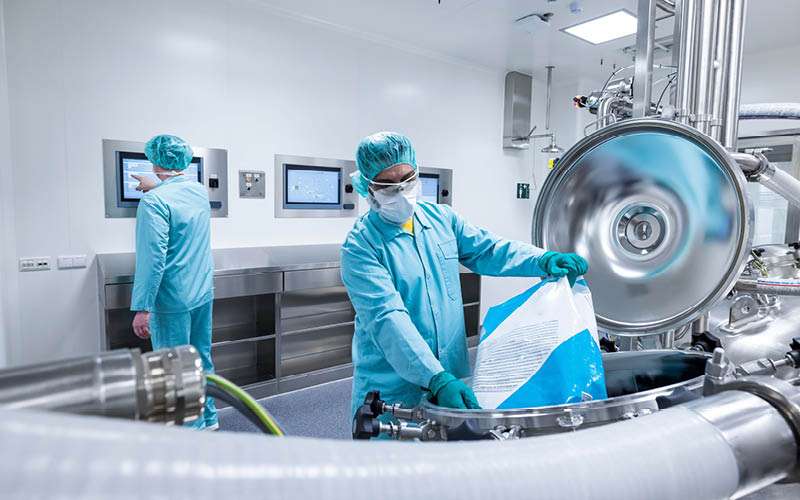
A tailor-made upstream strategy therefore starts with the end in mind: the final product’s desired quality (purity targets, potency, and stability), the downstream route you will use (downstream purification, filtration, chromatography, ultrafiltration, etc.), and the operational reality of the facility (single-use systems versus stainless steel, available utilities, and sterilization strategy).
The upstream bioprocessing workflow
Upstream bioprocessing is often described as a sequence of stages. In practice, teams iterate between them during process development and scale-up.
Cell line or strain selection
The upstream process starts with biology selection, because the organism defines the “rules” inside the bioreactor.
- Microbial upstream (bacteria, yeast, fungi): typically selected for fast growth, robustness, and high productivity in fermentation. Microbial fermentation can be aerobic or anaerobic, which changes oxygen-transfer, gas-management, and heat-load requirements.
- Mammalian upstream (e.g., CHO cells, process-dependent): selected for product quality attributes (such as glycosylation patterns) and stability over long runs.
Selection is not only about headline titre. You also consider how cells or microorganisms multiply under real growth conditions, stress tolerance (shear, osmolality, dissolved CO₂), metabolic by-products (lactate, ammonia), and how the biology behaves as cell density rises toward high cell densities. These choices influence product quality directly—especially for biopharma products such as an antibody, where subtle shifts in conditions can change quality attributes.
Seed train and inoculum preparation
The seed train scales the culture from a small volume of cells (or microorganisms) to the production bioreactor in controlled steps. This stage often includes deliberate cell seeding decisions, because how you start the culture process strongly influences how quickly the system stabilises. The aim is to transfer cells at the right physiological state so ramp-up is fast and predictable.
Key considerations include:
- Cell seeding density and timing: too low can extend lag phase; too high can increase stress or nutrient depletion.
- Culture health and viability: viability at transfer is a leading indicator of run stability.
- Contamination control: upstream failures often originate in poorly controlled transfers or sampling.
A reliable seed strategy reduces variability before the main run even starts.
Media and feed strategy
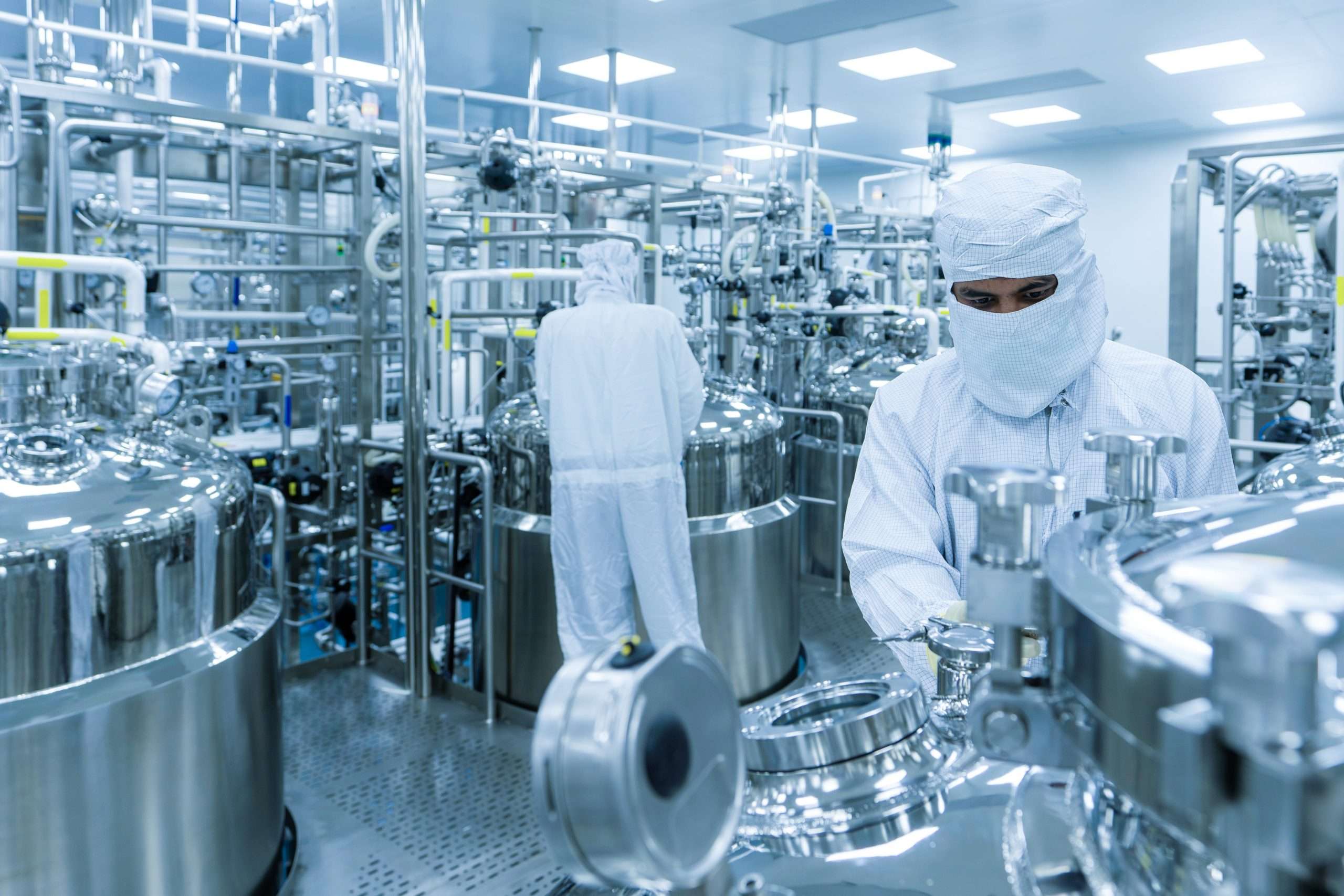
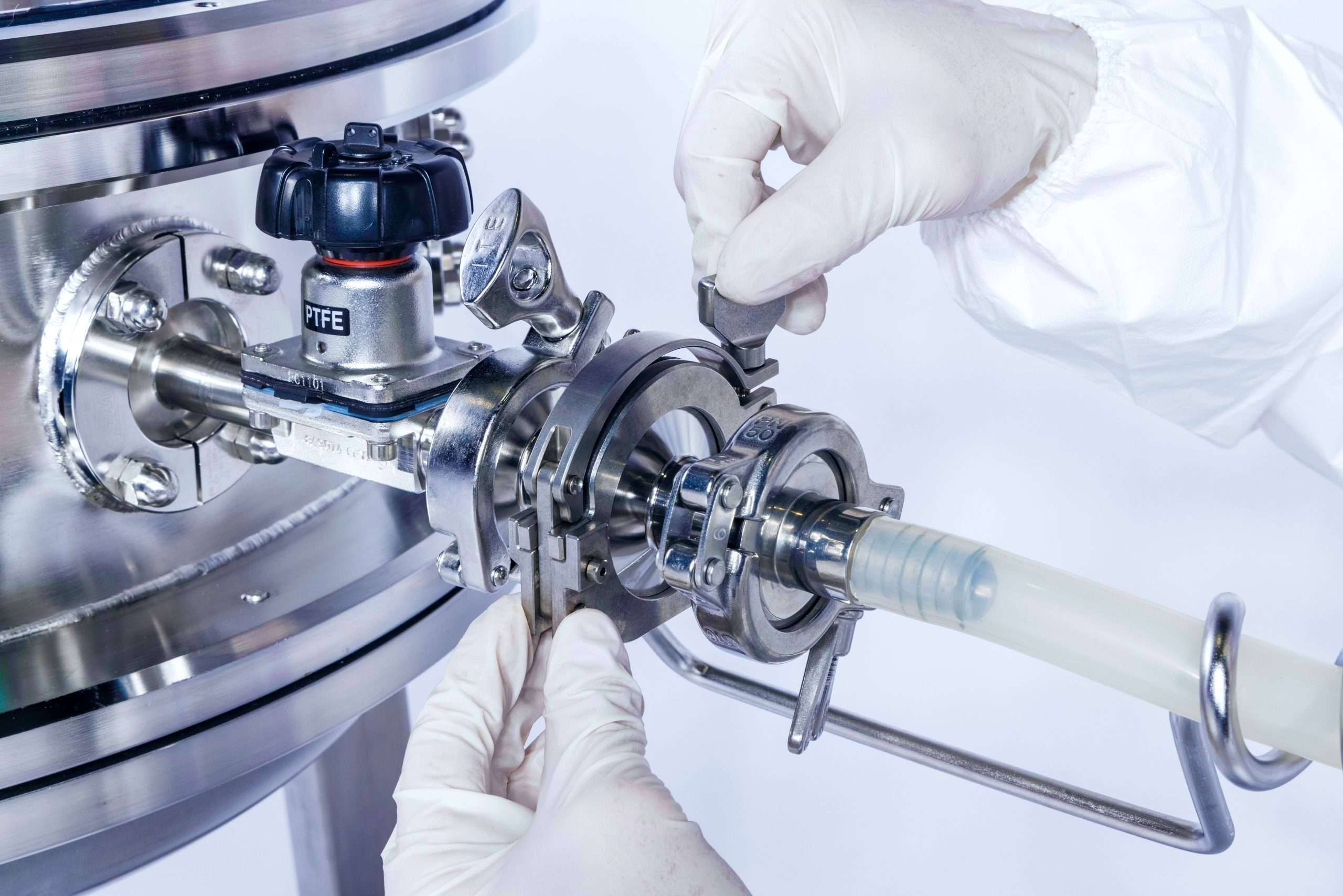
Media design is an upstream performance lever. Culture media (including cell culture media) must support growth while limiting impurity formation and keeping the process controllable. Media preparation quality matters: inconsistent raw materials, poor mixing, or weak sterilization practice can introduce variability and contamination risk before the run even starts.
Typical decisions include:
- Basal media composition: carbon source, nitrogen source, salts, trace elements, vitamins.
- Feed strategy: batch, fed-batch feeding, or continuous feeding (perfusion-style, process-dependent).
- Supplementation: selective additives to support productivity or stability (process-dependent).
For microbial fermentation, feed strategy can also control oxygen demand and heat-load. For mammalian cell culture, media and feeds strongly influence cell viability and product quality.
Bioreactor operation: the core upstream stage
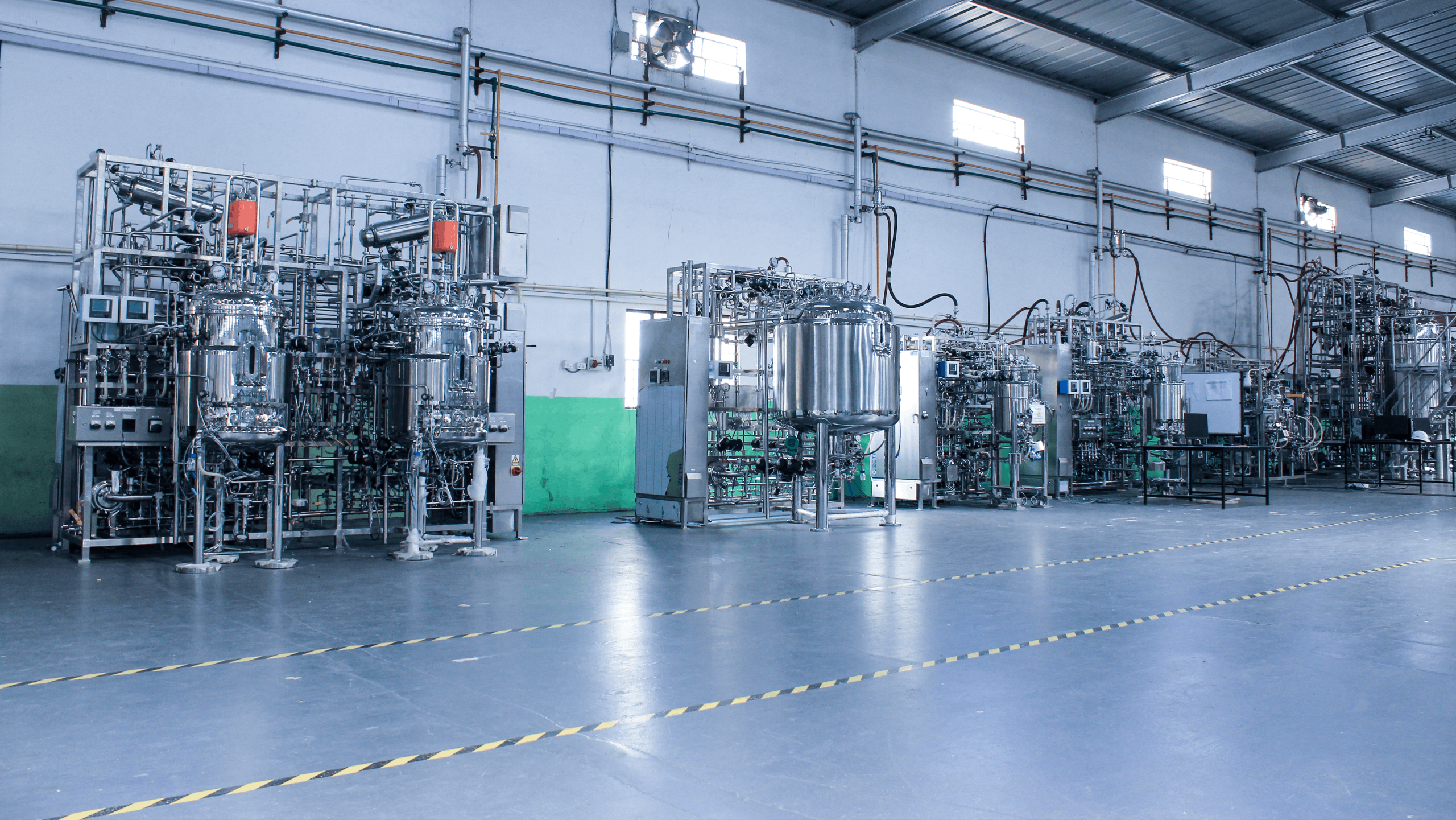
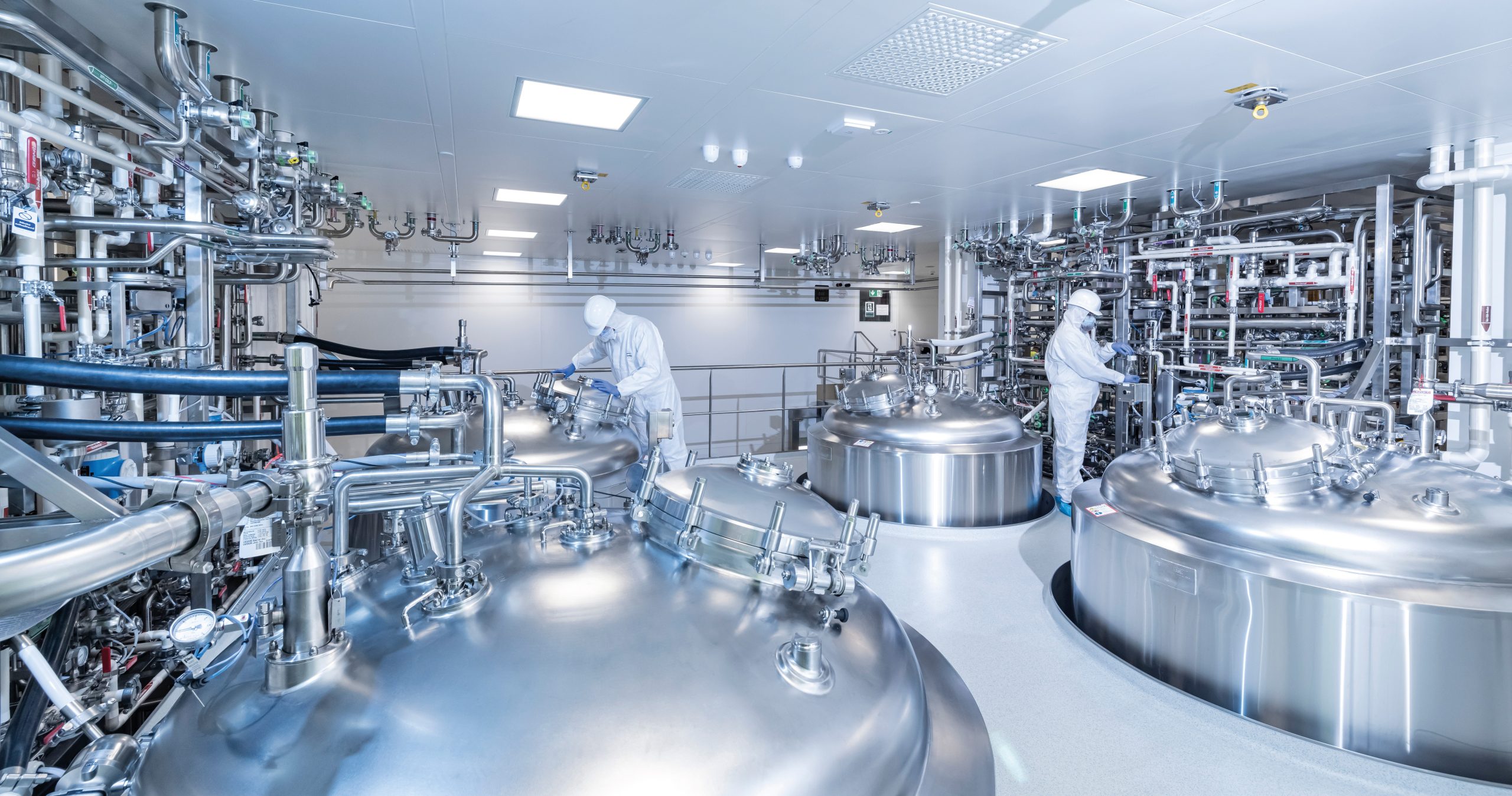
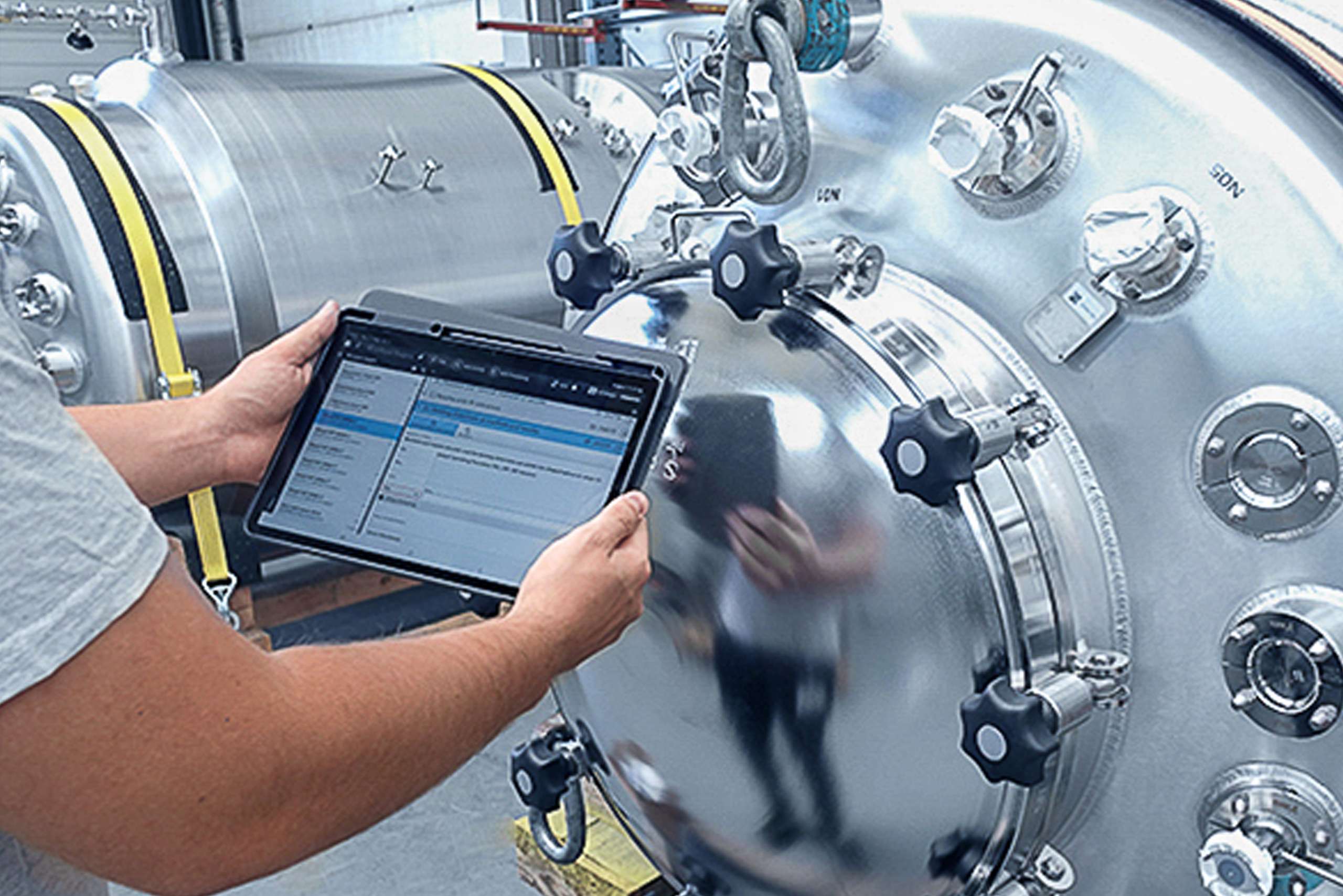
The upstream bioreactor run is where cells convert nutrients into biomass and product (the desired product in the broth). Whether you call it a bioreactor (common in biopharma) or a fermenter (often used for microbial production), the control objectives are similar: keep the environment stable enough that the biology behaves predictably.
Key parameters typically controlled include (process parameters that define the environment for cell growth):
- Temperature: affects growth rate, productivity, and by-product pathways.
- pH: influences enzyme activity, nutrient availability, and product stability.
- Dissolved oxygen (DO) and oxygen-transfer: often the limiting factor in aerobic microbial runs and high-density cultures.
- Dissolved CO₂ (process-dependent): important in mammalian cultures and long-duration runs.
- Agitation and mixing: drives uniformity, gas dispersion, and gradient control.
- Gas-flow and sparging strategy: balances oxygen delivery with foam and shear constraints.
- Foam management: prevents overflow and protects filters and off-gas systems.
The “best” setpoints are not universal. They are tailored to the organism, the broth properties, and what the process is trying to optimise—yield, cell viability, product quality, or process robustness.
Process mode: batch, fed-batch, or perfusion
Operating mode shapes both biology and plant reality.
- Batch: simplest to run; useful for flexibility; more downtime between cycles.
- Fed-batch: common in biopharmaceutical and microbial processes; controlled feeding reduces inhibition and can increase titre.
- Perfusion (perfusion cell culture / continuous culture, process-dependent): continuously exchanges medium while retaining cells, enabling high cell densities and longer productive runs.
Choosing the mode is a strategic decision. Perfusion can deliver higher volumetric productivity and maintaining high cell density, but it increases bioreactor system complexity and requires upstream–downstream alignment for continuous or frequent harvest and downstream processing capacity. This is also where teams may consider continuous bioprocessing (sometimes called continuous processing) and other process intensification approaches, depending on the product and risk tolerance.
Monitoring, analytics, and control strategy
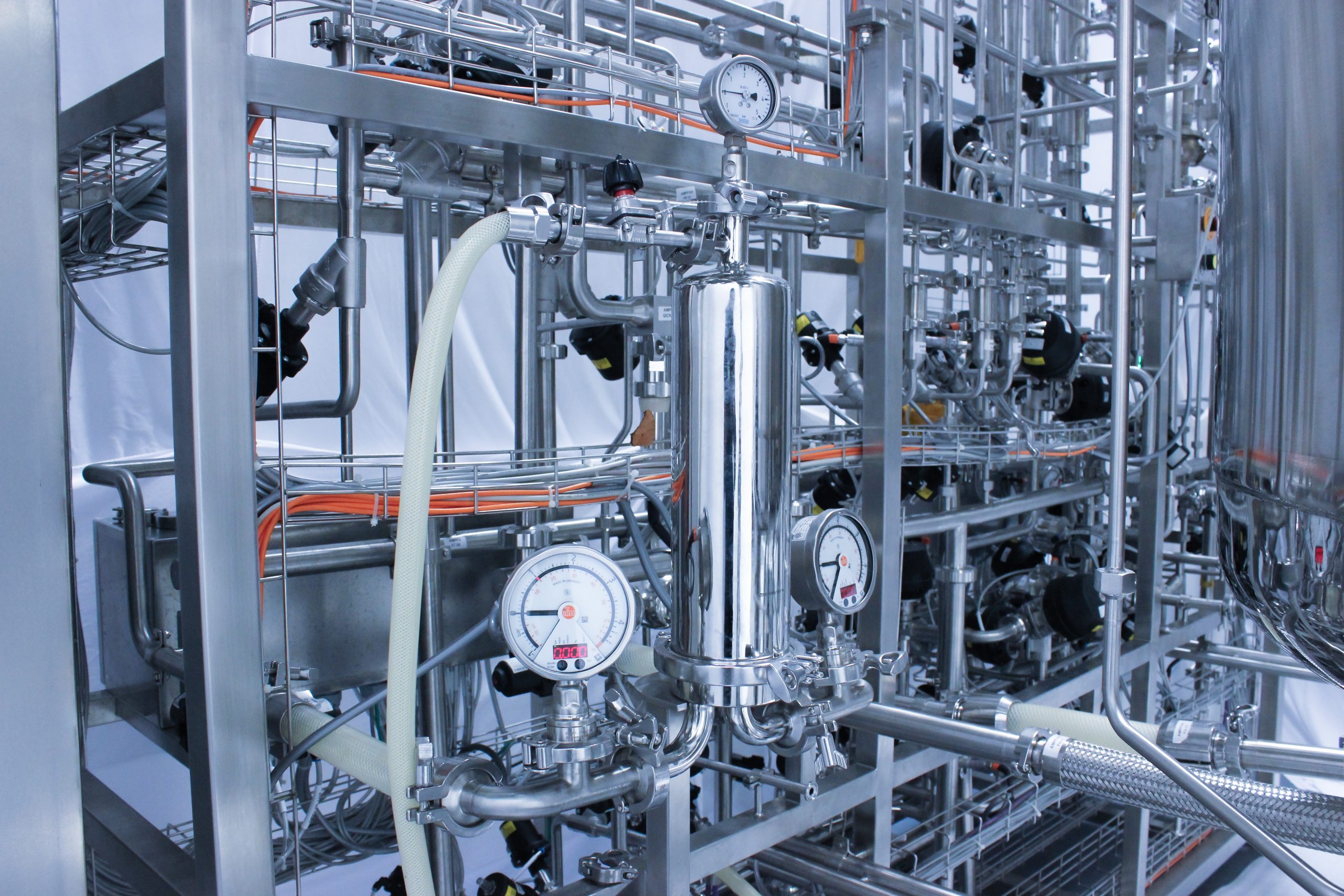
Upstream success depends on what you can measure and control—and how effectively you can monitor the process in real time. A stable upstream control strategy reduces manual interventions, supports data integrity, and shortens investigations when performance drifts.
Common monitoring approaches include:
- Online sensors: temperature, pH, DO, agitation speed, gas-flow, pressure, foam.
- Real-time analytical tools (process-dependent): spectroscopy and soft sensors used to monitor key variables and support tighter control of critical process parameters.
- Off-gas analysis (process-dependent): O₂/CO₂ trends can reveal metabolic shifts early.
- At-line/off-line testing: viable cell density, metabolites, substrate levels, and product titre.
Control often uses cascades (for example, DO control across agitation, gas-flow, and oxygen enrichment). The goal is a reliable response without driving excessive foam, shear, or temperature swings.
How upstream links to downstream processing
Upstream and downstream are inseparable. Downstream bioprocessing exists to isolate and purify what upstream produced—turning the broth into a purified final product that meets purity and specification targets. If upstream creates a cleaner, more consistent stream, downstream purification is simpler, faster, and more scalable.
Upstream decisions shape downstream load in predictable ways: Upstream decisions shape downstream load in predictable ways:
- Solids and viscosity affect clarification and filtration throughput (and whether centrifugation is needed before filtration).
- Antifoam use can foul filters and interfere with capture steps.
- By-product profiles (e.g., lactate, salts) influence chromatography performance and buffer demand.
- Product location (secreted vs intracellular) determines whether harvest includes cell disruption and what isolation steps are required.
- Impurity profile (host cell proteins, DNA, metabolites, and media-derived components) determines how hard downstream must work to purify the stream to the required purity.
- Harvest strategy (batch harvest vs continuous harvest) changes downstream scheduling, including ultrafiltration and other concentration steps used to purify and finalise the product.
A process-led team designs upstream to make downstream easier, not harder—because the overall output (not just reactor titre) is what matters.
Applications: where upstream bioprocessing is used
Upstream bioprocessing is used across multiple sectors, but the dominant constraints vary.
- Biopharmaceutical manufacturing: mammalian cell culture for monoclonal antibodies (antibody products), recombinant proteins, and some vaccine-related upstream steps (process-dependent), where consistency, contamination control, and final product quality are critical.
- Industrial biotechnology: microbial fermentation for enzymes, organic acids, amino acids, and bio-based intermediates, where oxygen-transfer and heat-removal often dominate.
- Food and beverage: fermentation-based production of cultures, ingredients, and process aids where hygiene and repeatability matter, often with frequent changeovers.
- Bioenergy and biorefining: fermentation routes for bioethanol and other renewables, typically focused on throughput, robustness, and cost efficiency.
Advantages for customers
A well-designed upstream process delivers measurable benefits:
- Higher yields and titres by keeping cells in an optimal growth and production window.
- More consistent product quality through stable control of critical process parameters.
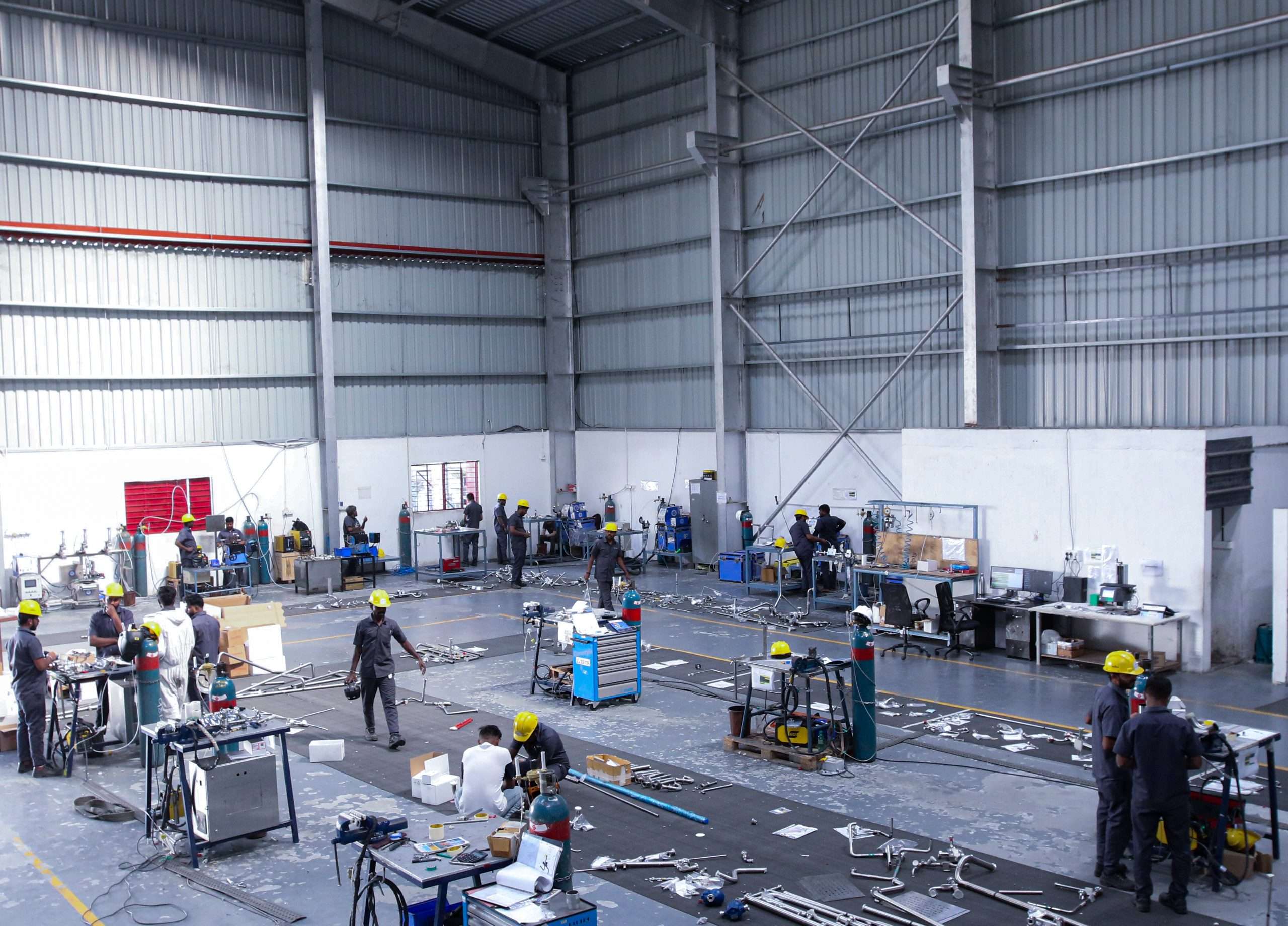
- Faster scale-up when oxygen-transfer, heat-removal, and mixing constraints are designed in early—whether you are scaling stainless steel equipment or single-use systems.
- Reduced deviation risk through better monitoring, automation, and contamination control.
- Lower downstream burden when upstream impurity profiles and solids loads are controlled.
How to choose the right upstream bioprocessing approach
When teams specify or improve an upstream process, these checkpoints help avoid surprises:
Define targets and constraints
Clarify titre, productivity, cycle-time, and critical quality attributes. Decide what matters most: maximum output, maximum consistency, or fastest turn-around.
Understand organism and broth behaviour
Confirm oxygen demand, shear sensitivity, viscosity changes, foaming tendency, and expected metabolite build-up across the full run—not just the start.
Select the operating mode and feeding strategy
Choose batch, fed-batch, or perfusion based on biology and facility capability. Feeding strategy often determines whether the process stays controllable at high density.
Engineer around the limiting factor
For many aerobic processes, oxygen-transfer is the bottleneck. For others, heat-removal, mixing, or CO₂ management becomes limiting. Design around the true constraint early.
Plan the monitoring and automation depth
Match instrumentation and control strategy to risk. Long-duration runs and high-value products typically justify deeper monitoring and stronger data capture.
Align upstream with downstream from day one
Confirm how upstream conditions affect clarification, filtration, centrifugation, capture, and polishing. Design the upstream run so downstream can purify the stream reliably to the required purity and deliver a consistent final product. Design the upstream run to deliver a stream downstream can process reliably.
Conclusion
Upstream bioprocessing is the disciplined set of steps that prepares the biology, runs the bioreactor, and controls the environment so cells deliver predictable output. The best upstream strategies are process-led and tailor-made: they align organism behaviour, feeding mode, and control strategy with real equipment constraints and downstream needs. When designed for reliability, upstream bioprocessing improves yield, protects product quality, and reduces the operational friction that can derail scale-up.