
Alcoholic fermentation is the process behind some of the world’s most familiar alcoholic beverages—beer, wine, cider, and even bottle-conditioned styles like champagne. It is also a serious industrial tool: the same biochemical process that converts sugar into alcohol and carbon dioxide can be engineered for high-throughput ethanol production, including bioethanol used in fuel blending with gasoline.
What matters in practice is control. When the fermentation process is kept within a stable operating window—temperature, sugar availability, yeast health, and CO₂ handling—alcoholic fermentation becomes a reliable, repeatable route to consistent output, whether you are running wine making from grape must, fermenting apple juice for cider, or operating large fermentation plants in a biorefinery context.
This guide explains what alcoholic fermentation is, how it works, what influences performance, where it is used, and what to consider when selecting a system.
What is alcoholic fermentation?
Alcoholic fermentation is a metabolic, biological process where microorganisms—most commonly yeast—convert sugars into ethanol and carbon dioxide (CO₂) under anaerobic conditions (an anaerobic process in the absence of oxygen). Inside the yeast cell, this conversion supports energy production (ATP) and keeps key cellular reactions running even when oxygen is not available for aerobic respiration. In simple terms, it is how a culture turns a fermentable substrate (such as glucose, fructose, sucrose, or maltose) into alcohol.
In industrial and beverage contexts, alcoholic fermentation is defined as much by its outcomes as its chemistry. The aim is to drive sugar conversion efficiently while controlling by-products that shape taste, aroma, downstream separation, and overall yield.
The core reaction (high level)
Alcoholic fermentation is often summarised as a simple conversion, but it is driven by a defined sequence of biochemical reactions.
Equation for alcoholic fermentation (simplified):
- C₆H₁₂O₆ (glucose) → 2 C₂H₅OH (ethanol) + 2 CO₂ + energy (ATP)
Put another way, one glucose molecule is converted into ethanol and carbon dioxide (often written as ethanol and carbon dioxide), with the formation of two molecules of ethanol and a release of carbon dioxide as the pathway runs. The exact by-product profile depends on organism, yeast strains, and conditions, but typical categories include organic acids, higher alcohols, esters, aldehydes, and other flavour-active byproduct compounds that shape aroma and taste in beverages.
How alcoholic fermentation works
Alcoholic fermentation begins with glycolysis (the glycosis / glycolytic stage), where sugars such as glucose and fructose are broken down into pyruvate molecules (pyruvic acid), producing a small amount of energy (ATP) and reducing equivalents (NADH). In the absence of oxygen, the yeast cell must recycle NAD (NAD⁺) from NADH so glycolysis can continue—this is the core reason fermentation works.
Two key enzymes drive the defining steps involved in alcoholic fermentation:
- Pyruvate decarboxylase converts pyruvate into acetaldehyde, releasing CO₂.
- Alcohol dehydrogenase reduces acetaldehyde to ethanol (acetaldehyde to ethanol), regenerating NAD from NADH.
This is also why “fermentation” is different from cellular respiration. With the presence of oxygen, cells favour aerobic respiration (aerobic respiration / cellular respiration) because it yields far more ATP. In oxygen-limited, anaerobic conditions, fermentation remains an efficient way to keep energy production going, even though the ATP yield per sugar is lower.
From a process perspective, this means the fermenter must support three things at the same time:
- Consistent sugar availability (without shocking the culture)
- Stable temperature and pH within the organism’s preferred range
- Removal or management of CO₂, heat, and inhibitory product build-up (especially ethanol)
Even though the biology is well known, the operating reality can be highly complex: viscosity changes, foaming, CO₂ stripping, and microbial stress can all shift during a run.
Microorganisms that carry out alcoholic fermentation
Yeast is the best-known host for alcoholic fermentation, but it is not the only one. The choice depends on the substrate, tolerance to ethanol and inhibitors, flavour requirements, and downstream expectations.
- Saccharomyces cerevisiae (brewer’s yeast; a common commercial yeast): the workhorse for brewing, wine, and bioethanol; robust performance, strong ethanol tolerance, and widely available yeast strains for different flavour and fermentation-speed targets.
- Saccharomyces pastorianus: commonly used for lager brewing (temperature and flavour profile differences).
- Non-Saccharomyces yeasts: used in some beverage fermentations to build specific aroma profiles (often alongside Saccharomyces).
- Zymomonas mobilis (bacterial): used in some industrial bioethanol routes; can be efficient on certain sugars, but has narrower substrate scope than many yeasts.
The best organism is the one that stays stable in the real process window—temperature shifts, osmotic pressure changes, inhibitors, and increasing ethanol concentration.
What affects alcoholic fermentation performance?
Alcoholic fermentation is strongly influenced by a small set of controllable variables. These determine conversion efficiency, flavour profile (where relevant), and run-to-run repeatability.
Sugar type, concentration, and feeding
The substrate defines both the pace and the outcome of fermentation. High starting sugar increases potential ethanol, but it can also create osmotic stress and slow initial growth. In industrial settings, fed-batch feeding is sometimes used to keep sugar in a target range, reduce inhibition, and maintain consistent conversion rates.
Temperature
Temperature affects yeast growth rate, ethanol production rate, and by-product formation, and alcoholic fermentation is exothermic—so heat builds up as fermentation continues. Higher temperatures can accelerate the fermentation process but may increase unwanted flavour compounds (application-dependent) and stress the microorganism. Lower temperatures can improve control and beverage profile in brewing and wine, but may extend cycle time and slow fermentation work overall. Higher temperatures can accelerate fermentation but may increase unwanted flavour compounds (application-dependent) and stress the culture. Lower temperatures can improve control and flavour in beverage production, but may extend cycle time.
pH and acidity
pH influences microbial stability, nutrient availability, and contamination risk. Beverage fermentations often rely on the natural buffering of the medium, while industrial routes may use active pH control. pH also shapes organic acid formation and can influence downstream separation behaviour.
Oxygen management
Alcoholic fermentation is typically run with limited oxygen, but small amounts of oxygen can be useful early in the run to support yeast health (for example, membrane synthesis). After that, oxygen availability is usually kept low to avoid shifting metabolism away from ethanol formation and to manage oxidation-sensitive flavour compounds.
Nutrients and trace elements
Even when sugar is abundant, fermentation can stall if nitrogen, minerals, or vitamins are limiting. Nutrient strategy is therefore part of reliable fermentation design—especially when using variable feedstocks.
CO₂ and pressure effects
CO₂ is not just a by-product; it changes mixing, stripping, foam behaviour, and can inhibit cells at higher dissolved levels. Vessel geometry, headspace, venting capacity, and pressure strategy influence how smoothly CO₂ is managed.
Contamination control
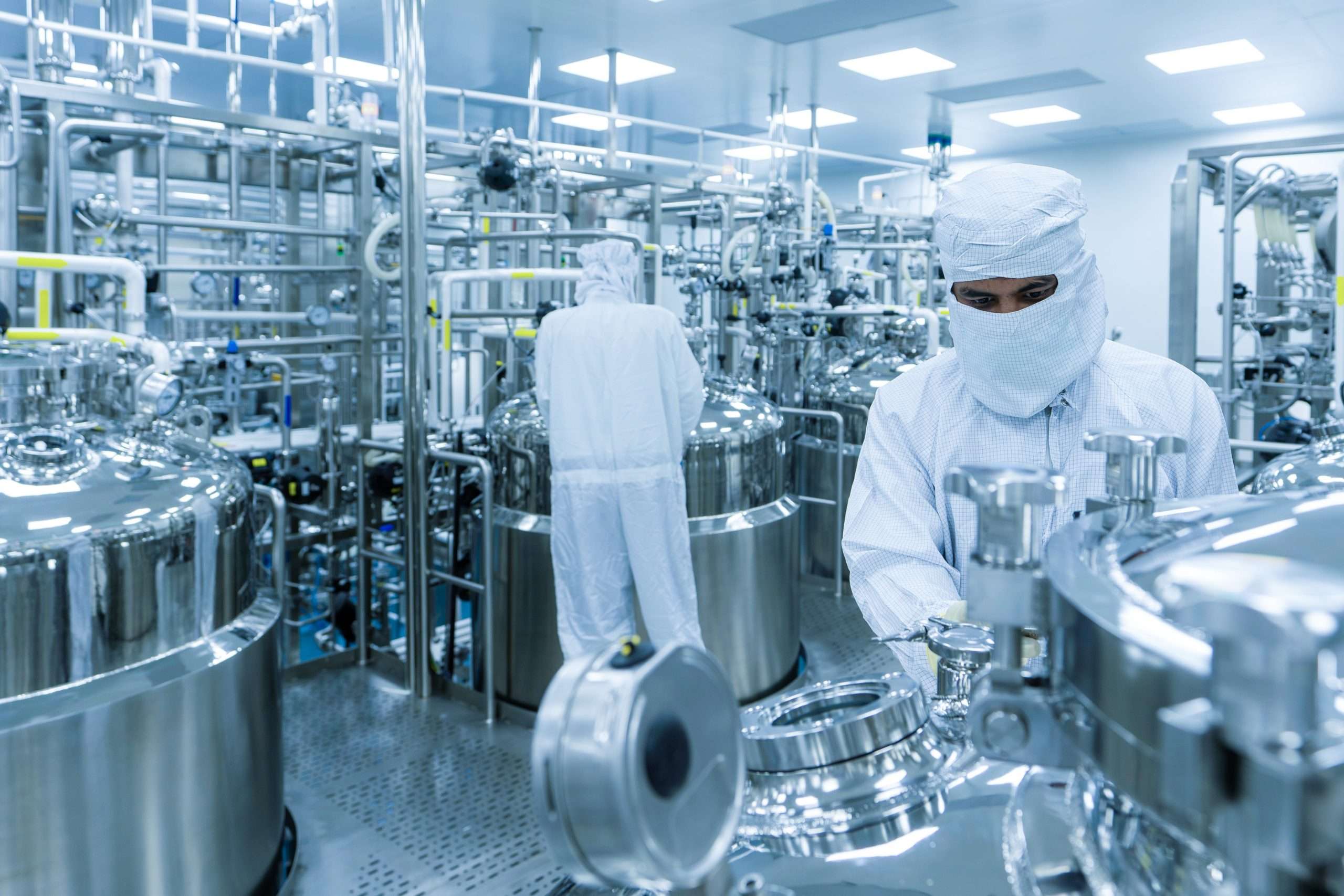
Alcoholic fermentation is relatively resilient in some beverage contexts, but industrial routes still require robust hygiene because contaminants can consume sugar, generate unwanted acids, and reduce ethanol yield. Cleanability, sanitisation strategy, and controlled additions protect consistency.
Where alcoholic fermentation is used
Alcoholic fermentation supports a wide range of applications, from consumer products to bulk industrial output.
- Beer and brewing: yeast converts malt-derived sugars into ethanol and CO₂, while also producing flavour-active compounds that define style.
- Wine and cider: fermentation converts fruit sugars into alcohol and CO₂, supporting aroma development; in wine making, grape sugars drive alcohol by volume (ABV) outcomes, while cider commonly starts from apple juice and is tuned for balance, acidity, and profile.
- Spirits production: alcoholic fermentation creates the “wash” that is later refined by the process called distillation; fermentation quality influences alcohol yield, congener profile, and how efficient the distillation step is.
- Bioethanol and renewable fuels: high-throughput fermentation converts sugars (and processed biomass-derived sugars, including starch-derived streams once hydrolysed) into ethanol for fuel blending and industrial use—supporting ethanol production in large fermentation plants and biorefinery operations.
- Industrial intermediates: ethanol can also act as a feedstock for downstream chemical routes (process-dependent), where consistent specification matters.
Typical equipment and set-up
Alcoholic fermentation can be run in many vessel formats, depending on scale and control needs.
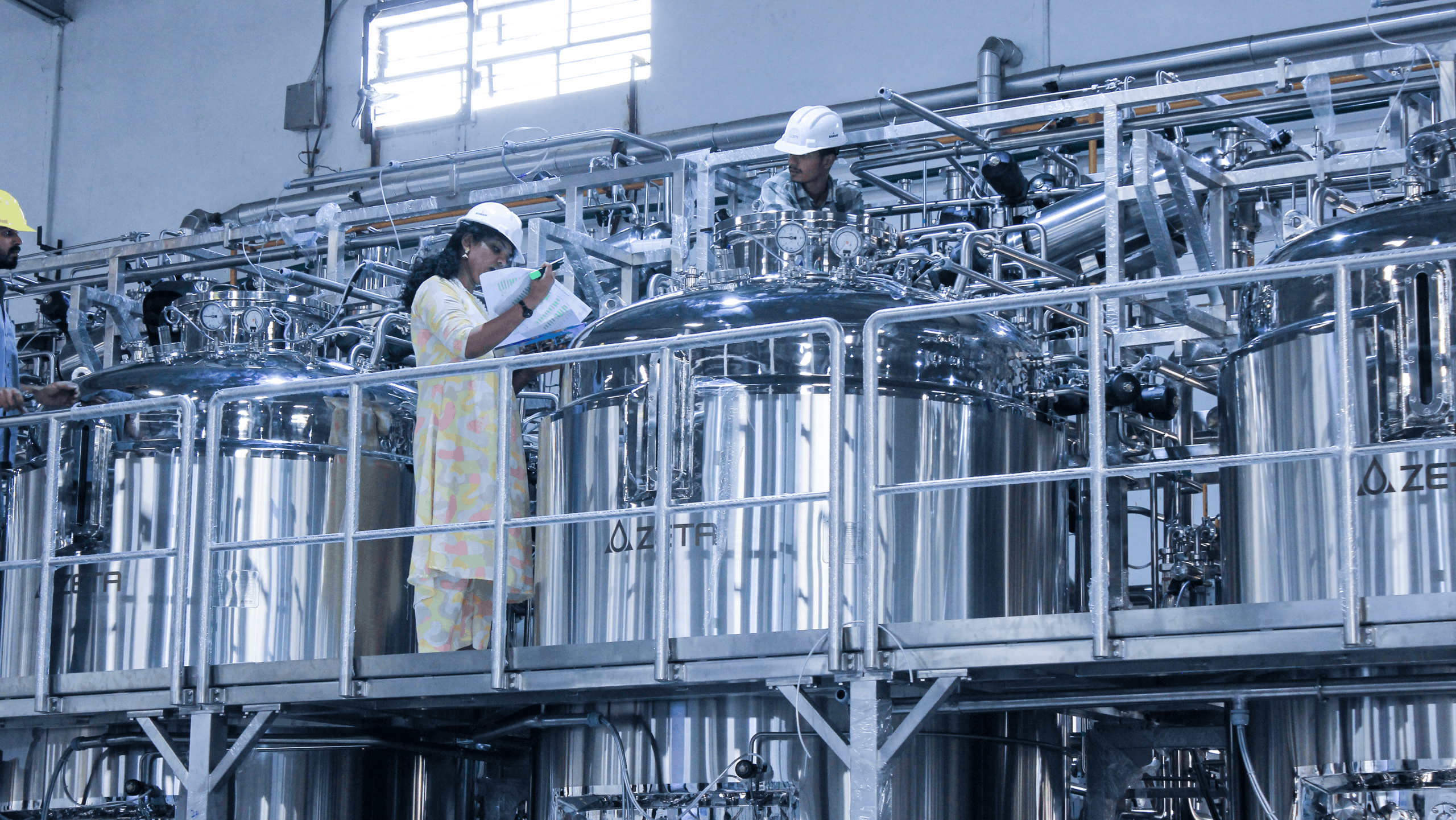
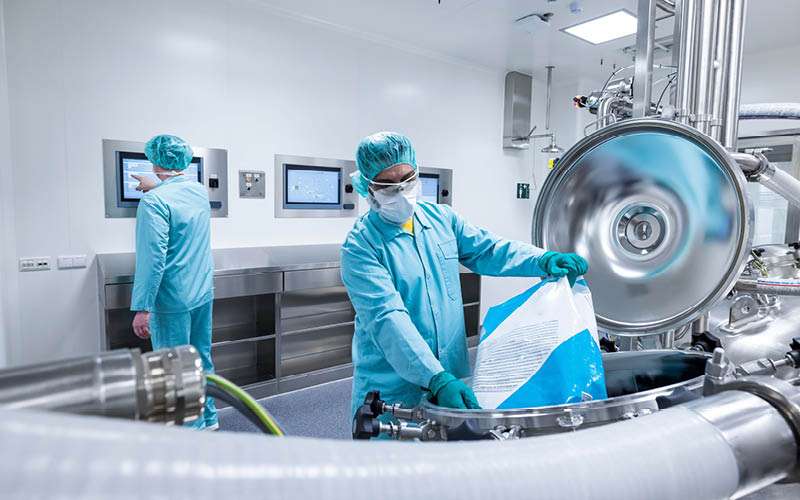
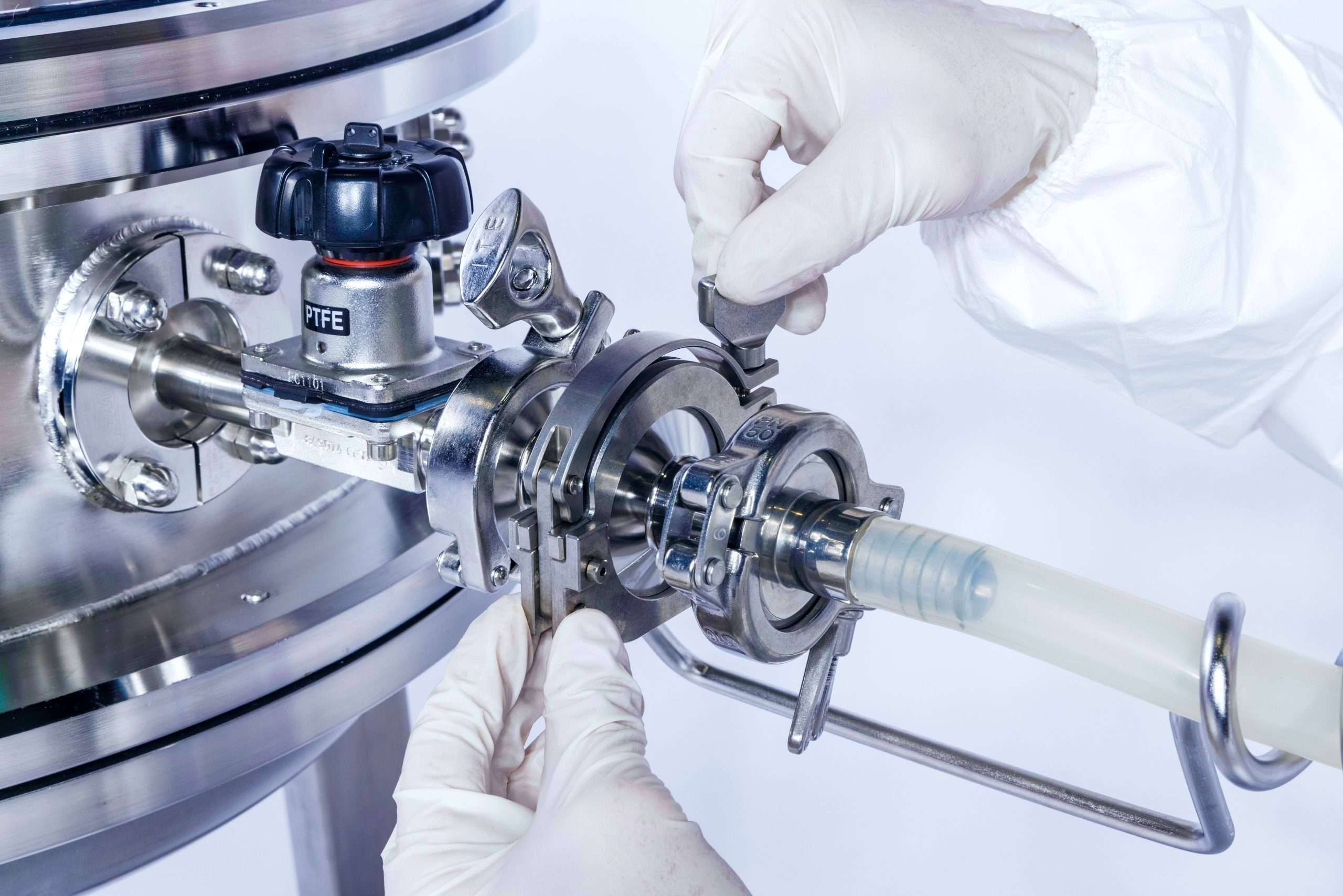
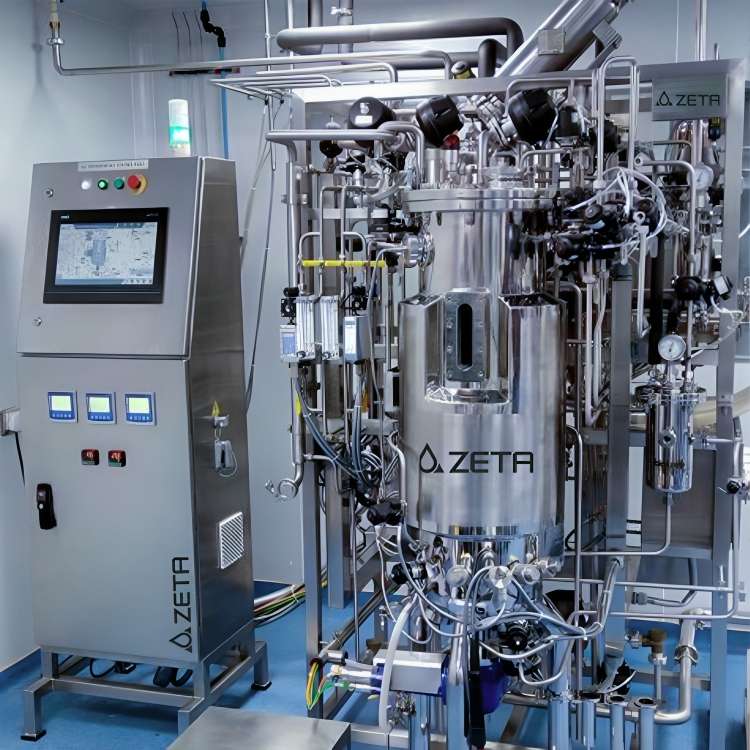
- Fermentation vessel / fermenter: often stainless steel for industrial set-ups; may be closed or vented depending on CO₂ strategy.
- Agitation and mixing: some systems rely on natural convection and CO₂-driven mixing; others use mechanical agitation for uniformity and temperature control.
- Cooling capacity: fermentation is exothermic, so heat-removal (jacket, coils, or external loop) is critical for stable temperature.
- Off-gas handling: venting, condensers, and filters manage CO₂ release and protect hygiene.
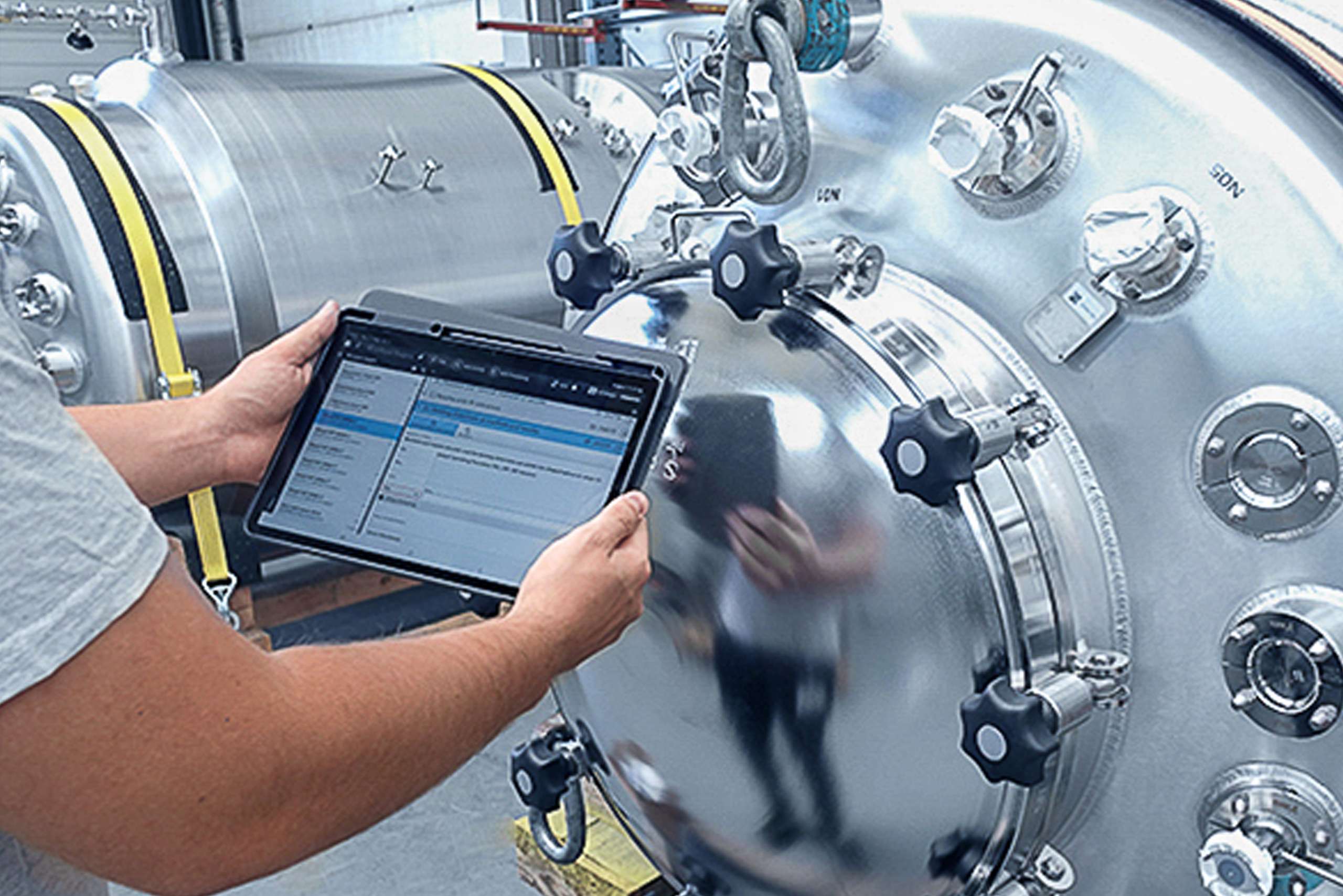
- Instrumentation (as needed): temperature, pH, density/Brix, level, and (in industrial set-ups) off-gas and mass-balance tracking.
The right set-up is tailor-made to the process: beverage fermentations may prioritise flavour and gentle handling, while industrial bioethanol lines prioritise throughput, robustness, and fast turn-around. For sparkling products like champagne, CO₂ management is also part of the product definition, which is why pressure strategy and packaging approach matter.
A helpful contrast is lactic acid fermentation (often carried out by bacteria): instead of producing ethanol, lactic acid fermentation produces lactic acid as the main end product and is used in fermented foods like yoghurt. This comparison is a useful reminder that different fermentation pathways produce different products—even when the starting sugar substrate looks similar.
Advantages for customers
When alcoholic fermentation is engineered correctly, the benefits are practical and measurable:
- Reliable conversion: stable temperature control and nutrient strategy reduce stalled or sluggish runs.
- Repeatable quality: consistent operating conditions support predictable flavour profiles (where relevant) and specification control.
- Scalable output: equipment sized for heat-removal and CO₂ management reduces scale-up surprises.
- Process efficiency: well-designed feeding and turn-around improves cycle-time and overall productivity.
- Lower risk: hygiene, controlled additions, and monitoring reduce contamination-driven yield loss.
How to choose the right alcoholic fermentation approach
Alcoholic fermentation can look simple, but specifying the right system depends on what you are optimising for—product profile, maximum yield, fastest cycle-time, or operational simplicity.
Define the product goal
Are you targeting beverage quality, maximum ethanol yield, or a feedstock for downstream processing? This defines tolerance for by-products, the need for tight temperature control, and the downstream route (for example, filtration and packaging vs distillation).
Confirm the feedstock and variability
Sugar type, impurities, and inhibitor risk shape organism choice and nutrient strategy. If feedstocks vary seasonally or by supplier, plan monitoring and correction steps that keep fermentation performance stable.
Select the organism based on the full operating window
Ethanol tolerance, temperature range, and stress response matter as much as headline productivity. The most reliable choice is the organism that stays stable as ethanol rises and conditions shift during the run.
Size for the real constraints
Alcoholic fermentation is often limited by heat-removal, CO₂ handling, or contamination control rather than mixing power. Design around worst-case heat-load and peak CO₂ evolution, not the average case.
Decide the control depth you need
For small-scale or traditional beverage fermentations, simple control may be enough. For high-throughput, industrial systems, deeper instrumentation and automation make performance more repeatable and investigations faster when output drifts.
Conclusion
Alcoholic fermentation is the controlled conversion of sugars into ethanol and carbon dioxide, typically driven by yeast under oxygen-limited conditions. The fundamentals are simple, but performance is shaped by temperature, feeding, nutrients, CO₂ management, and contamination control—especially at scale. By matching the organism and equipment to the real process constraints, alcoholic fermentation becomes a reliable platform for both beverage production and industrial bioethanol output. With a process-led, solution-oriented design, teams can achieve repeatable quality, consistent yields, and smooth scale-up.