
Batch fermentation is one of the most reliable ways to turn biology into repeatable output. In a world where microorganisms can be sensitive to tiny shifts in environmental conditions, this approach keeps the operation simple: one run, one dataset, one harvest. If your process is highly complex, contamination-sensitive, or still being optimized, batch operation is often the most practical baseline.
What is Batch Fermentation?
Batch fermentation is a process run as a defined fermentation mode in a largely closed system (typically a fermenter or bioreactor). In this context, “closed” means there is no continuous liquid inflow/outflow of culture broth during the run (even though gases may be added/removed for aeration and off-gas handling). You charge a defined fermentation medium (also called a culture medium), inoculate with a microorganism, control the run for a set fermentation time, and then harvest the entire vessel.
A simple cycle is: charge → inoculate → cultivate → control → harvest → clean → restart. This is why a batch process is easy to track and compare from one new batch to the next batch.
How the Batch Fermentation Process Works
A batch run starts by preparing a defined medium containing water, salts, trace elements, and a carbon source (for example, glucose or another substrate). The fermentation vessel is cleaned and (where required) sterilized, sterile medium is charged to the tank, and then the culture is started by inoculating the system.
During cultivation, control systems maintain the setpoints that keep microbial growth on track—temperature, pH, agitation, aeration, and (for aerobic operations) dissolved oxygen. Because performance can drift throughout the process, teams pay close attention to how mixing and oxygen-transfer affect growth rate, by-product formation, and overall productivity.
Most cultures move through predictable phases of growth and production:
- Lag phase: cells adapt to the medium and prepare for active metabolism
- Exponential growth phase: biomass rises quickly; oxygen demand and heat-load often peak
- Stationary phase: growth slows as nutrients become limiting or inhibitory products accumulate
At a planned endpoint—often set by product level, quality signals, or substrate depletion—fermentation is terminated, and fermentation broth is harvested for downstream steps.
What Makes Batch Different from Fed-Batch and Continuous
Teams often evaluate the difference between batch and fed-batch because the feeding strategy changes both control complexity and achievable output. In batch culture, most of the medium (and the main substrate) is charged at the start, and the culture follows its trajectory to harvest, although small additions such as acid/base for pH control, antifoam, or occasional supplements may still be used without changing the process mode.
- In fed-batch fermentation, nutrients are added during the run (often as a controlled feed) so substrate levels stay in a productive range as biomass increases.
- In continuous fermentation, a continuous process supplies fresh medium while culture is removed at the same time, aiming to maintain steady-state operation.
A practical way to frame the choice between batch and fed-batch is operational risk: batch is simpler to stabilize, while fed-batch can increase output when your biology and controls are mature.
What Equipment Matters in Batch Fermentation?
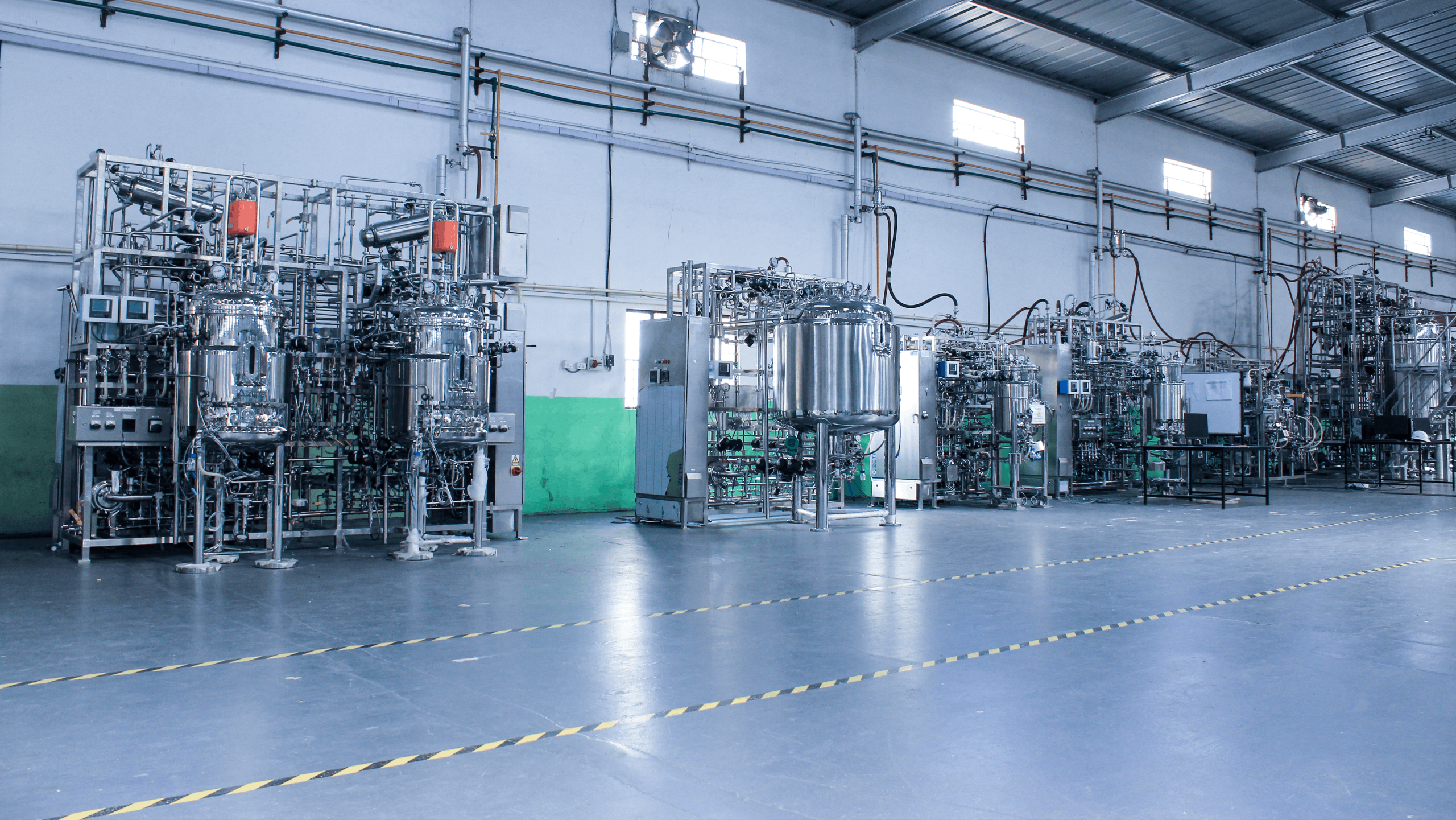
Even though the concept is straightforward, batch performance depends on the fermenter and its supporting systems.
Vessel and mixing
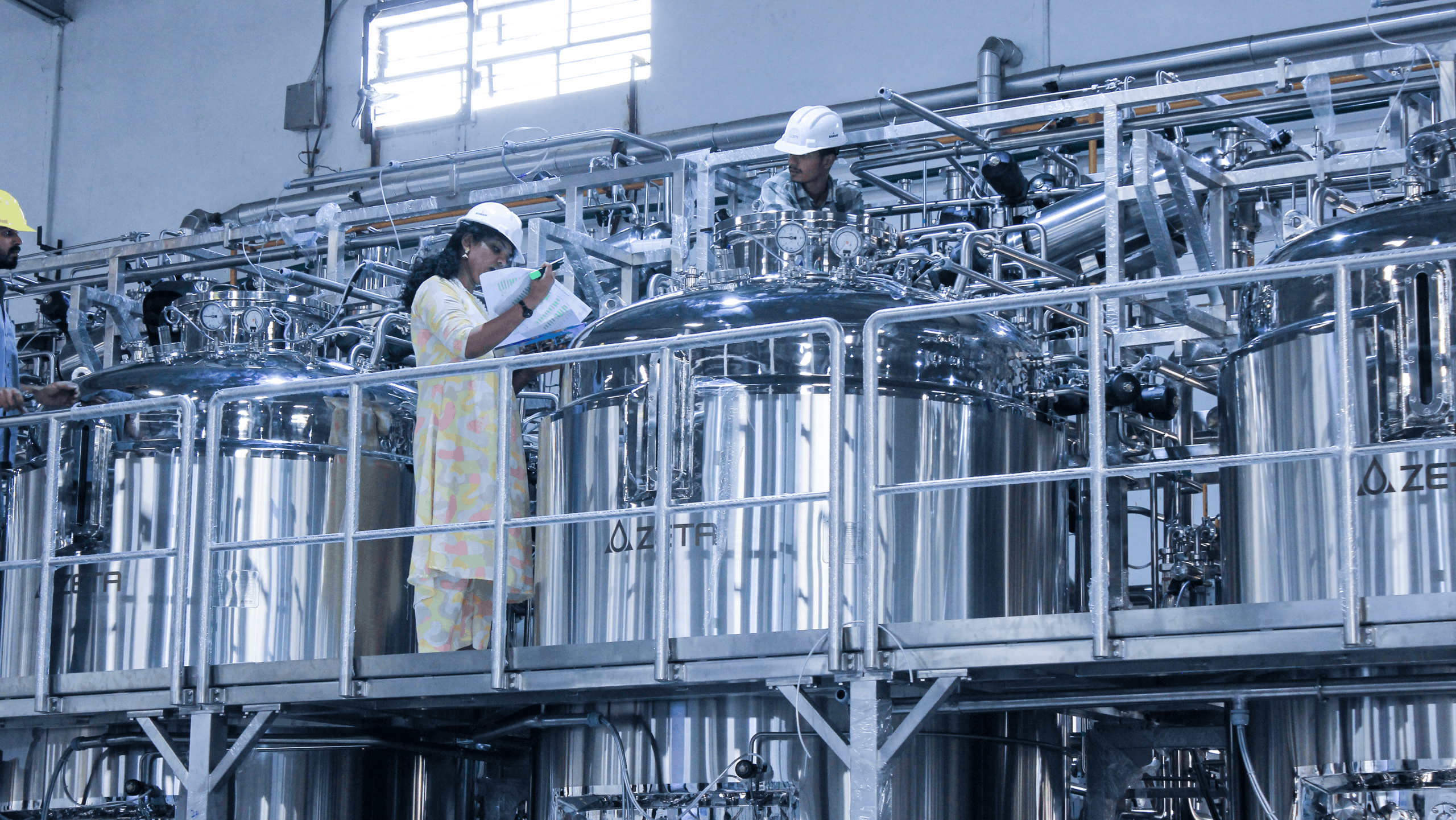
Batch fermenters must provide uniform mixing so cells, heat, and nutrients are distributed evenly across the working volume. Mixing strategy is especially important as viscosity changes or solids build—both can affect oxygen transfer and local gradients.
Aeration and dissolved oxygen control
For aerobic processes, oxygen transfer can become the limiting factor late in the run as biomass increases. Aeration, agitation, and (where used) pressure strategies are designed to maintain dissolved oxygen stability through the most demanding growth phase.
Monitoring and run control
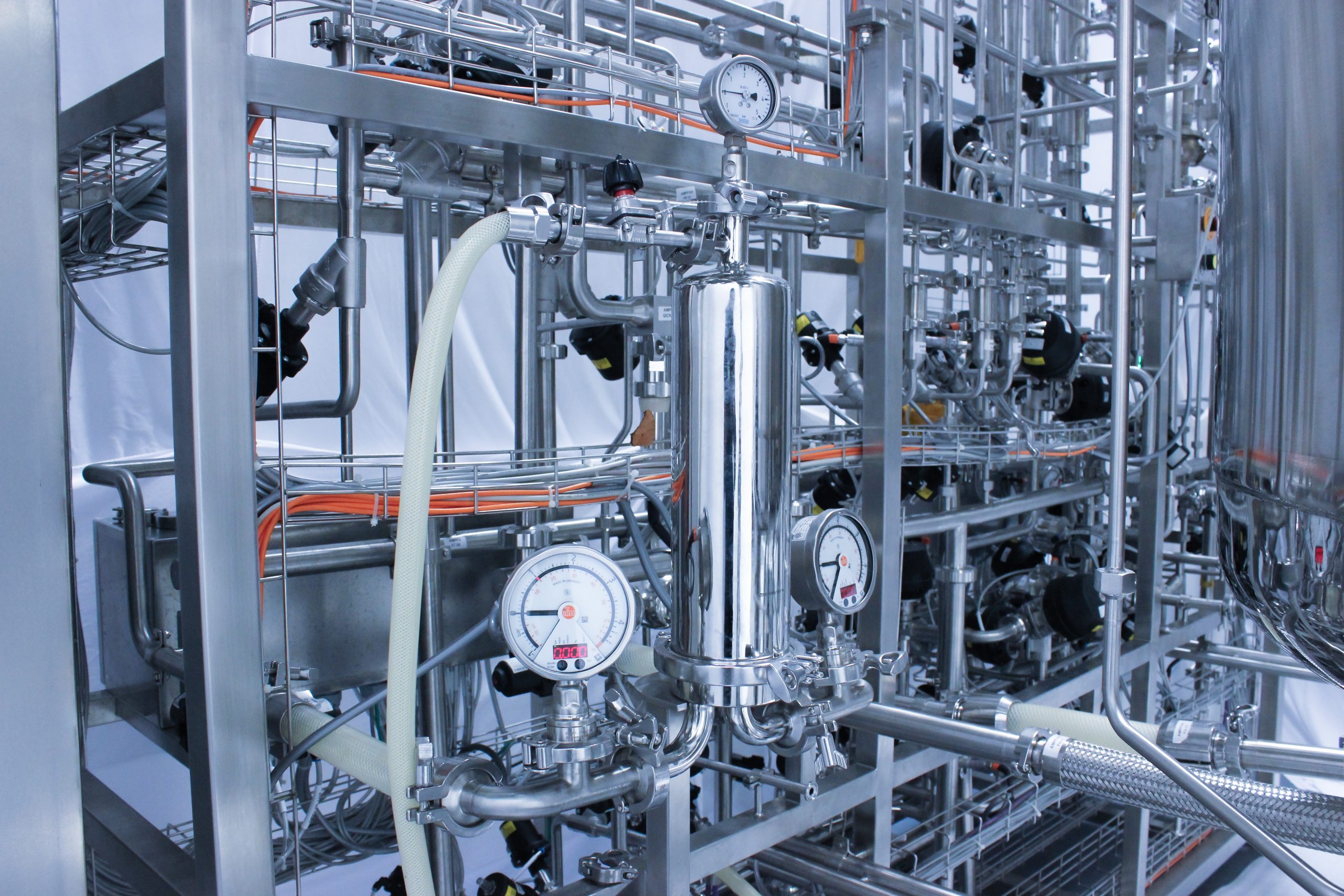
A modern fermentation system typically captures temperature, pH, dissolved oxygen, gas flow, agitation speed, and alarms so deviations are diagnosable. This level of visibility supports repeatability and makes batch-to-batch optimization faster.
Hygiene and contamination control
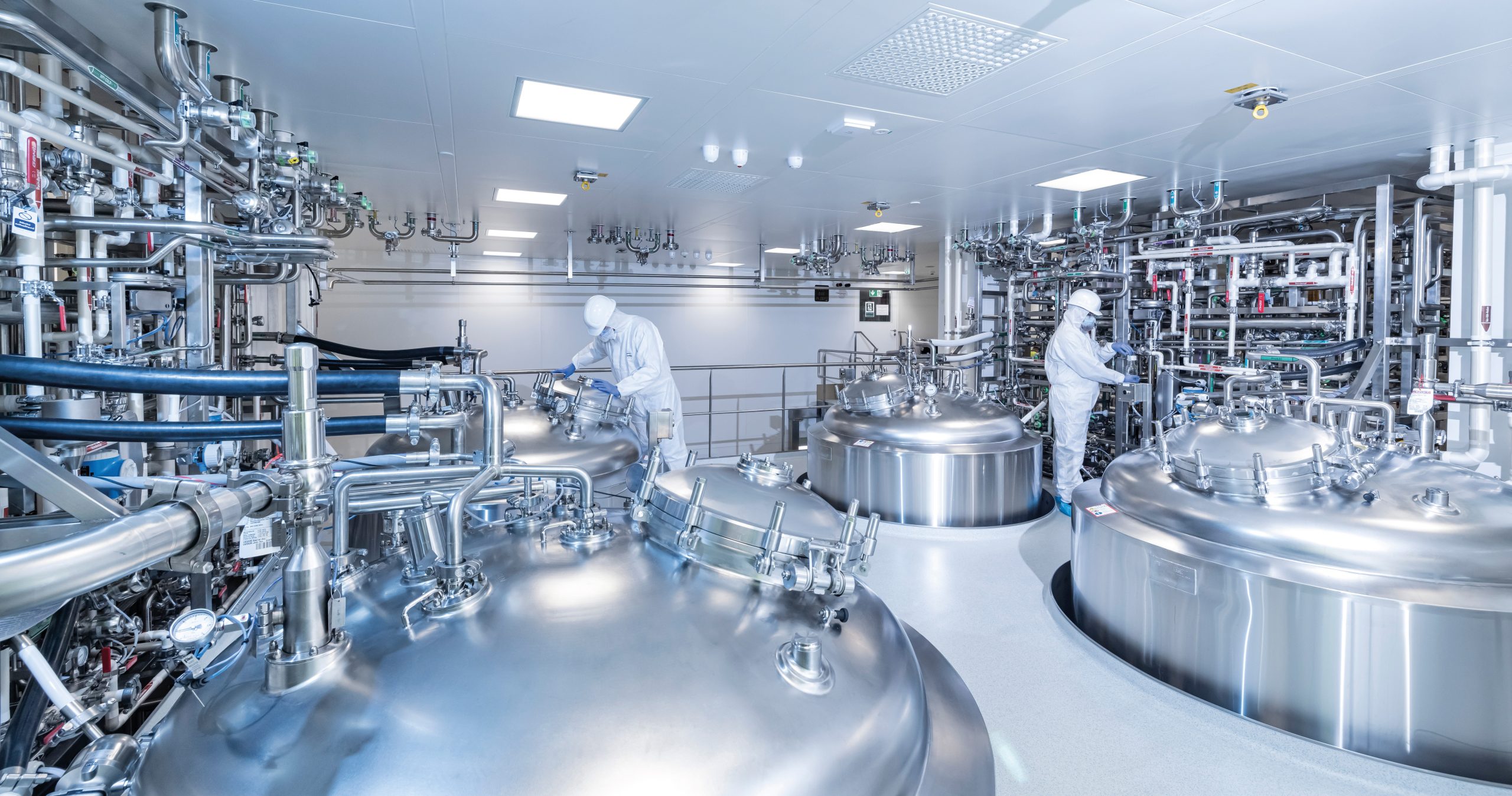
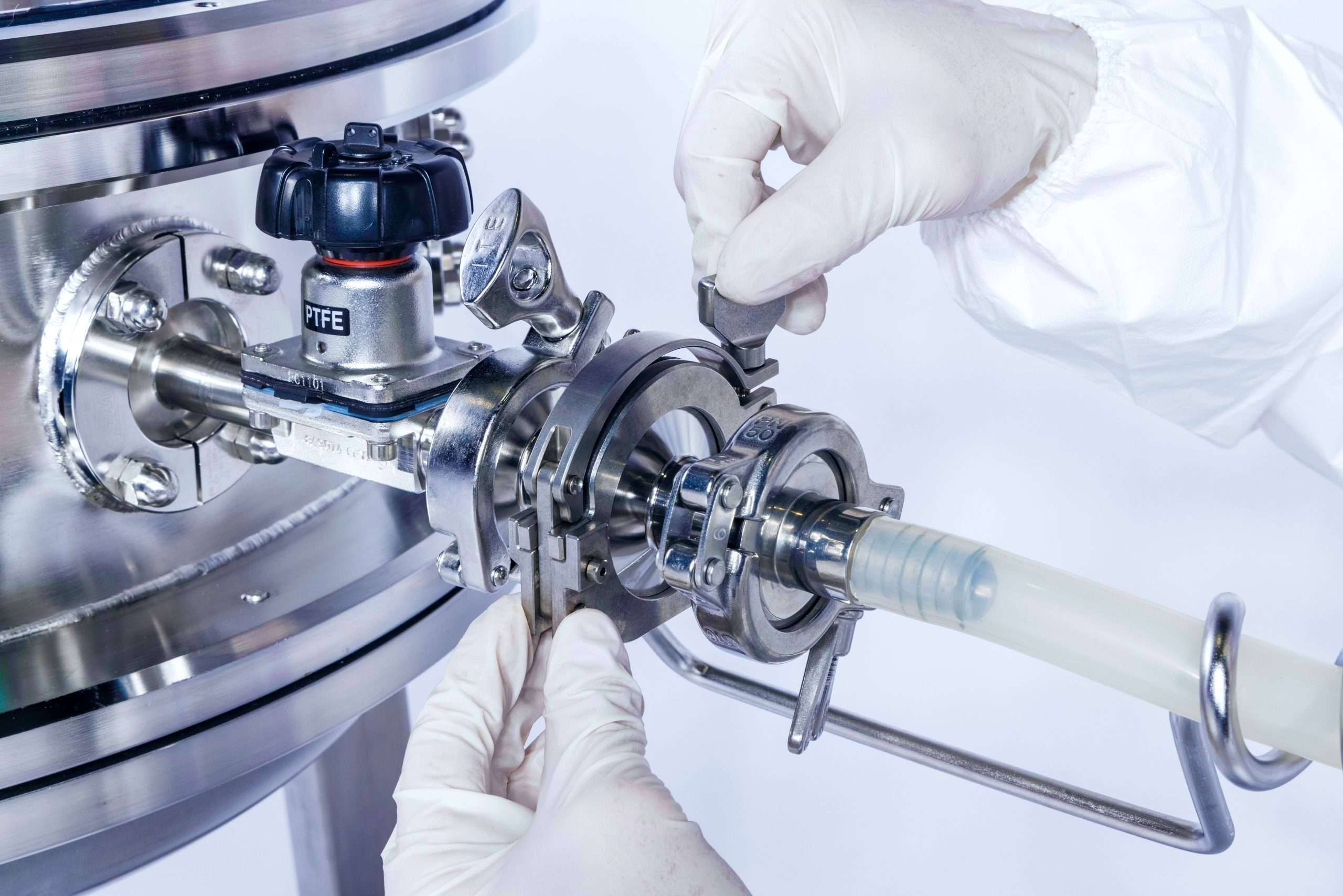
Because you reset between runs, batch aligns well with cleaning and sterilization routines. That reduces the risk of contamination and helps keep production stable, especially in multi-product facilities.
Where Batch Fermentation Is Used
Batch operation is widely used in industrial biotechnology and bio-manufacturing where flexibility and repeatability matter. It is common in ethanol production, enzyme manufacturing, organic acids (such as lactic acid), and certain antibiotic processes—along with early-stage scale-up where the learning loop is still valuable.
It is also a practical choice when you need flexibility in a batch plant, because you can adjust recipes and organisms between runs without redesigning the whole line.
When Batch Is the Right Choice
Using batch fermentation is often the right call when:
- You want clear boundaries for investigation and improvement
- The biology is sensitive, and tight control is required to protect quality
- You expect frequent changeovers across products or organisms (for example, switching between microbial strains or even a yeast process)
- You want a simpler baseline before choosing fed-batch or continuous options
Common Pitfalls (and How to Avoid Them)
- Oxygen limitation: verify oxygen-transfer capacity at peak biomass, not only at the start of the run.
- Substrate inhibition: if the initial concentration is too high, growth and product formation can suffer; adjust the recipe or move to fed-batch.
- Foaming: align antifoam strategy with downstream requirements and headspace design.
- Inoculum variability: inconsistency early can cascade into inconsistent harvest performance.
- Cleaning gaps: poor drainability or dead-legs can undermine sterility and repeatability.
Conclusion
Batch fermentation is a controlled fermentation process where a microorganism converts a defined medium into valuable outputs within a single run. Its strength is operational clarity: a simple cycle that supports repeatability, diagnosis, and stable scheduling. While fed-batch and continuous systems can increase throughput in the right use-case, batch remains a dependable baseline for many production process requirements. When specified and operated well, it delivers consistent performance and manageable risk at scale.