India’s biopharma manufacturing capabilities have long been recognised globally, particularly in generics and vaccines. But the opportunity ahead is broader. As Indian companies move into complex biologics, biosimilars, advanced therapies and global contract manufacturing, the requirements from their manufacturing infrastructure are becoming more sophisticated too.
This evolution is changing the role of biopharma equipment.
Equipment is no longer simply a piece of hardware to be specified, purchased and installed. Increasingly, manufacturers need equipment designed around the process, integrated with automation and utilities, meeting global regulatory expectations, and able to operate reliably over its lifecycle.
In other words, the conversation is moving from equipment supply to engineering capability.
Biopharma manufacturing is becoming more complex
Several developments are driving this shift.
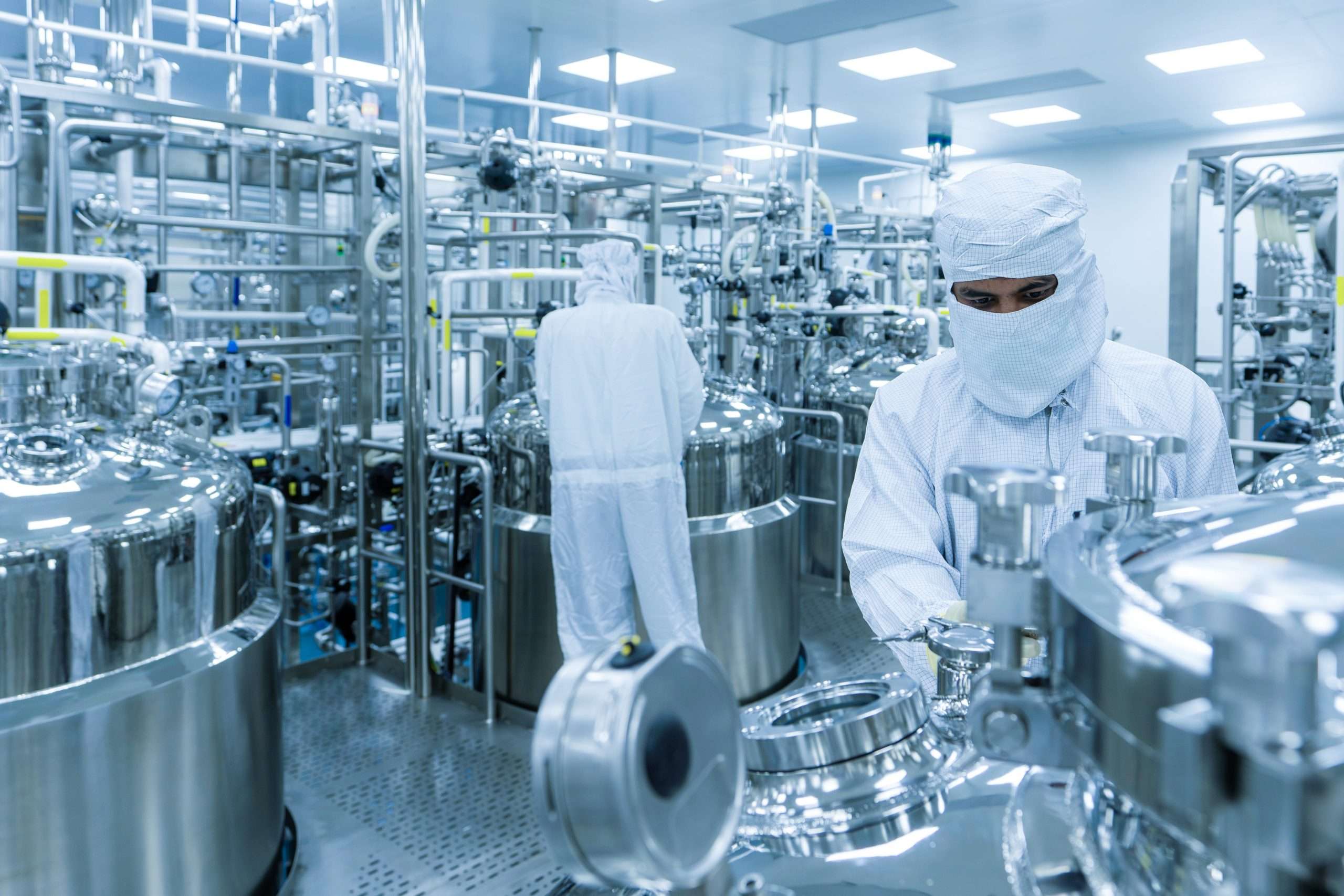
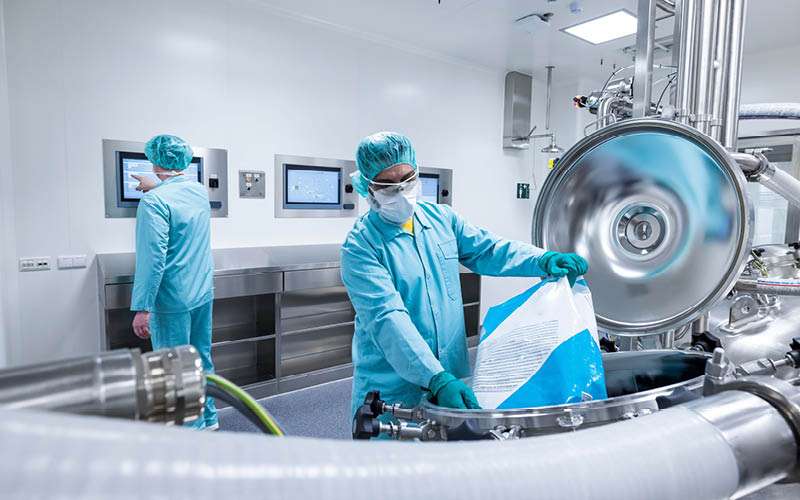
The growth of biologics and biosimilars brings more demanding upstream and downstream processes. Single-use technologies are being integrated alongside traditional stainless-steel systems. Manufacturers are looking for greater flexibility in their facilities. CDMOs need systems that can accommodate different customers and processes. Companies supplying to global markets also have to design with international GMP and regulatory expectations in mind.
These requirements create interfaces—and interfaces create complexity. A piece of equipment that performs perfectly on its own may still create problems if it does not integrate properly with the process, automation or facility. This is why engineering decisions made early in a project can have consequences much further downstream.
Process design affects equipment design.
Equipment design affects automation.
Automation affects operation and data.
All of these affect qualification, validation and ultimately the reliability of the manufacturing process.
The more complex the facility, the more important it becomes to manage these connections.
Related read: Pharma Expansion Project: How Simulation Helped Avoid Unnecessary CAPEX
The gap is no longer simply about equipment availability
India has a well-established engineering and manufacturing ecosystem. There is no shortage of companies capable of fabricating tanks, vessels, skids and other process equipment. The more interesting question is whether the equipment is being designed and delivered as part of the larger manufacturing system.
A biopharma process does not operate in isolation. A vessel has to work with the process around it. A skid needs to integrate with utilities, instrumentation and automation. Cleaning and sterilisation systems need to be designed around the process and contamination-control requirements. Equipment needs to be documented, qualified and maintained. Manufacturers need to think about data, simulation, and digital integration from the beginning.
This becomes even more important when a facility is expected to manufacture different products, operate at different scales or eventually serve regulated global markets.
The challenge, therefore, is not necessarily a lack of equipment. It is the need for greater integration between process understanding, engineering, equipment manufacturing, automation and qualification.
Engineering becomes even more important as facilities become flexible
One of the clearest examples is the move toward flexible, multiproduct manufacturing.
A traditional manufacturing facility might be designed around a relatively fixed process. But a multiproduct or CDMO facility needs to accommodate change.
Different products.
Different process parameters.
Different batch sizes.
Different customer requirements.
Potentially, different technologies over the life of the facility.
ZETA’s global project experience illustrates the kind of engineering thinking this requires. In one large-scale biopharmaceutical project, the facility was designed as a multipurpose plant with future adaptation in mind. The solution combined stainless-steel systems with single-use bioreactors, process engineering, automation and a pilot-scale MSAT unit to support process transfer and troubleshooting.
The lesson is broader than that individual project.
Flexibility has to be engineered. It cannot simply be added later by buying different equipment.
From equipment manufacturer to engineering partner
This is where companies such as ZETA India become relevant to the evolution of the Indian market.
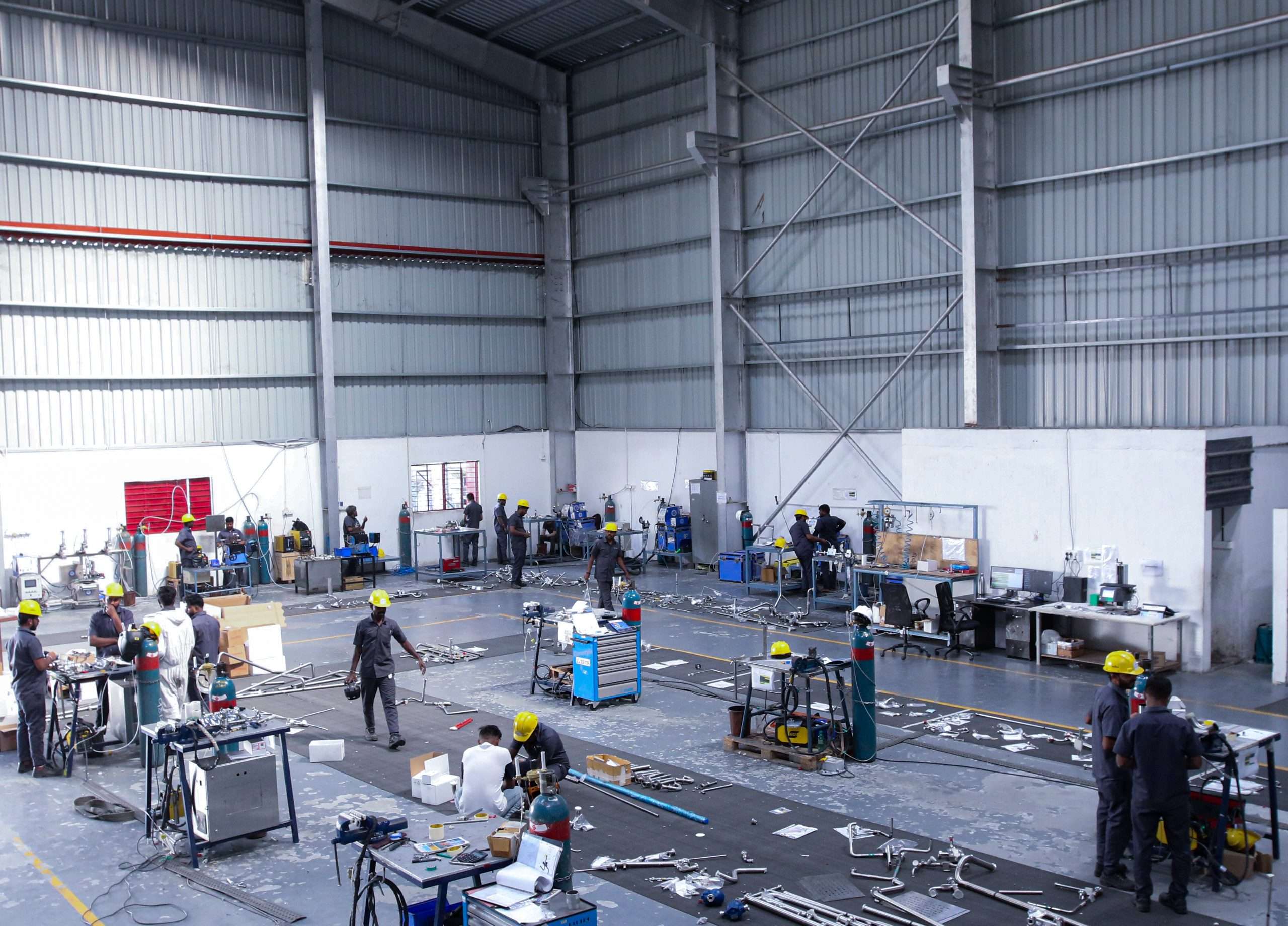
ZETA India has its roots in the Indian biopharma engineering and process equipment industry, with more than a decade of experience in the Indian market. This brings together our Indian capabilities with the wider group’s global engineering and biopharma experience.
An engineering-led approach changes the starting point. Instead of beginning with “What equipment do we manufacture?”, we ask, “What does the process require, and how should the equipment be designed to support it?” This brings process engineering, equipment design, automation, qualification and commissioning into the conversation much earlier, thereby reducing the risk of discovering integration issues only after fabrication or installation.
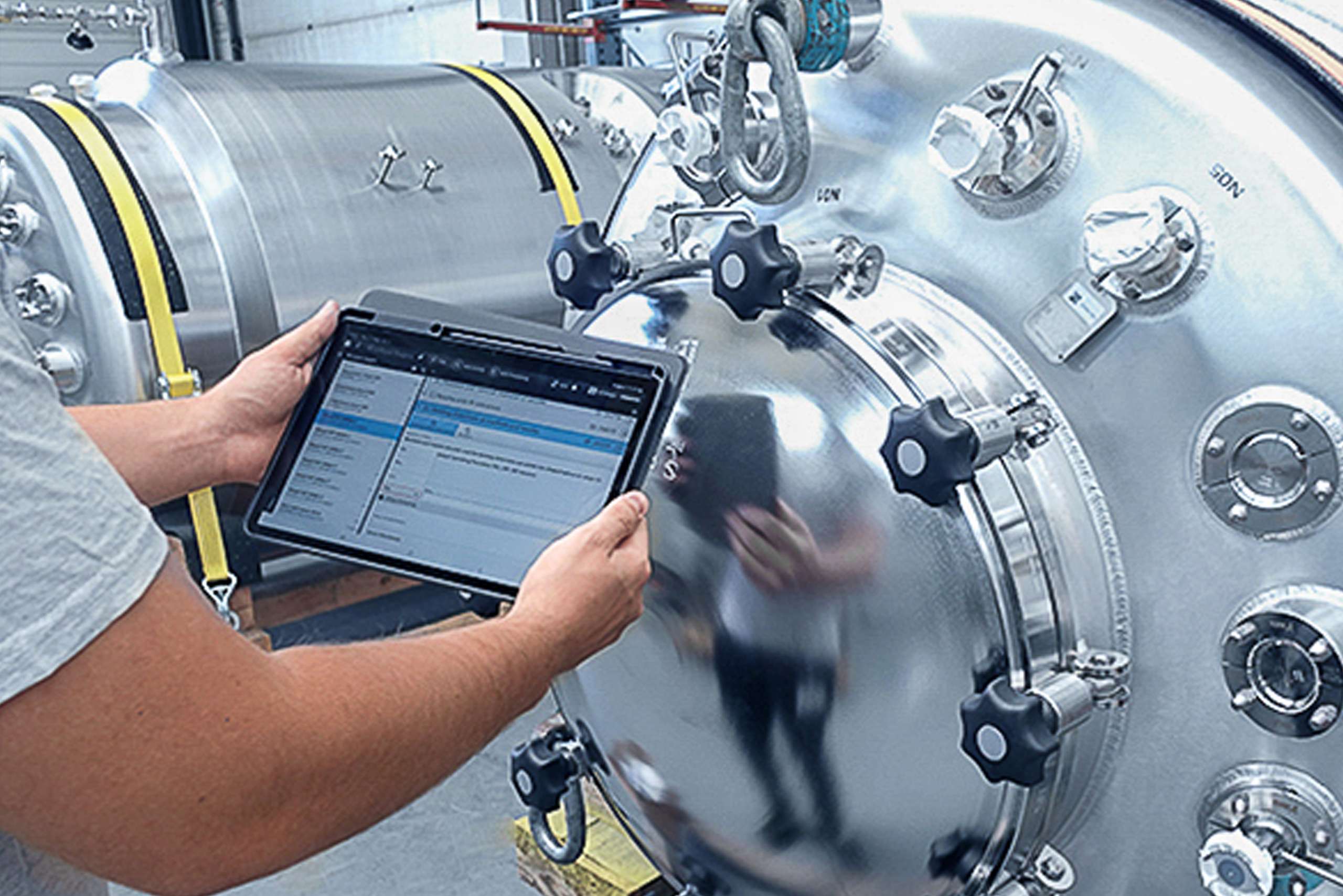
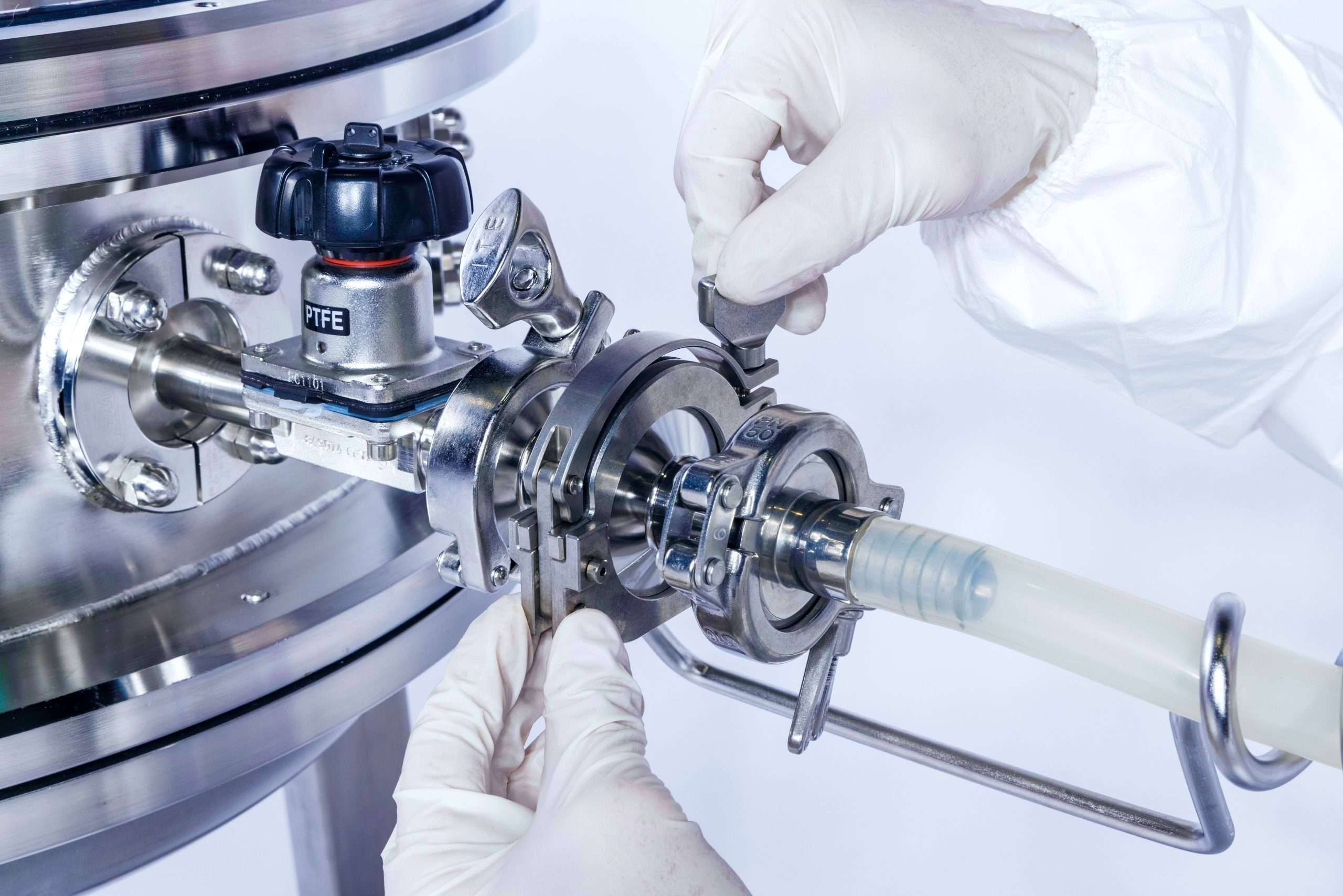
Our product portfolio includes bioprocess equipment such as vessels and bioreactors, magnetic agitators, CIP/SIP systems, skids and other customised systems. That means equipment can be considered in the context of the process it is expected to support, and not as an isolated product.
This combination is particularly relevant as Indian manufacturers become more global.
Indian capability, global experience
Combining local manufacturing and engineering capability with international experience offers a significant advantage.
Indian manufacturers understand the realities of operating in India – local supply chains, manufacturing economics, project execution conditions and the practical requirements of Indian pharmaceutical companies. At the same time, global experience brings exposure to different manufacturing models, regulatory environments, technologies and facility designs.
Case study: Compliance and Expansion: Transforming Pharmaceutical Manufacturing for Export Readiness
ZETA’s global network includes manufacturing capabilities worldwide. Our global portfolio covers technologies and facilities for areas including vaccines, monoclonal antibodies, mRNA, cell and gene therapies, fill-finish and other biopharma modalities.
That experience can be particularly useful when Indian companies are building facilities for international markets. The objective is not to make Indian facilities look European or adopt technology simply because it is used elsewhere. It is about applying relevant global experience while understanding the requirements of the local manufacturing environment.
The next opportunity for India’s biopharma engineering ecosystem
As India’s biopharma industry moves up the value chain, the country’s engineering ecosystem will need to evolve with it. The next generation of manufacturing projects will demand more than fabrication capability. They will require deeper process understanding, better integration between disciplines, stronger automation and digital capabilities, and greater familiarity with global regulatory and quality expectations. This does not mean that every project needs a large, integrated engineering partner. It does mean that the definition of a good equipment supplier is likely to change.
The questions will increasingly be:
Does the equipment work?
Does it work as part of the process?
Can it integrate with the facility?
Can it be automated and monitored effectively?
Can it be qualified efficiently?
Can it be maintained over its lifecycle?
Can it support the manufacturer’s next product or process?
These are engineering questions as much as equipment questions.
For India, that is an important shift.
The country’s competitive advantage in biopharma will not come only from manufacturing at scale. It will also come from the ability to design, engineer, build and operate increasingly sophisticated manufacturing systems.
And perhaps that is the more interesting evolution in biopharma equipment – from supplying what manufacturers need today to engineering systems that can support where manufacturing is going next.