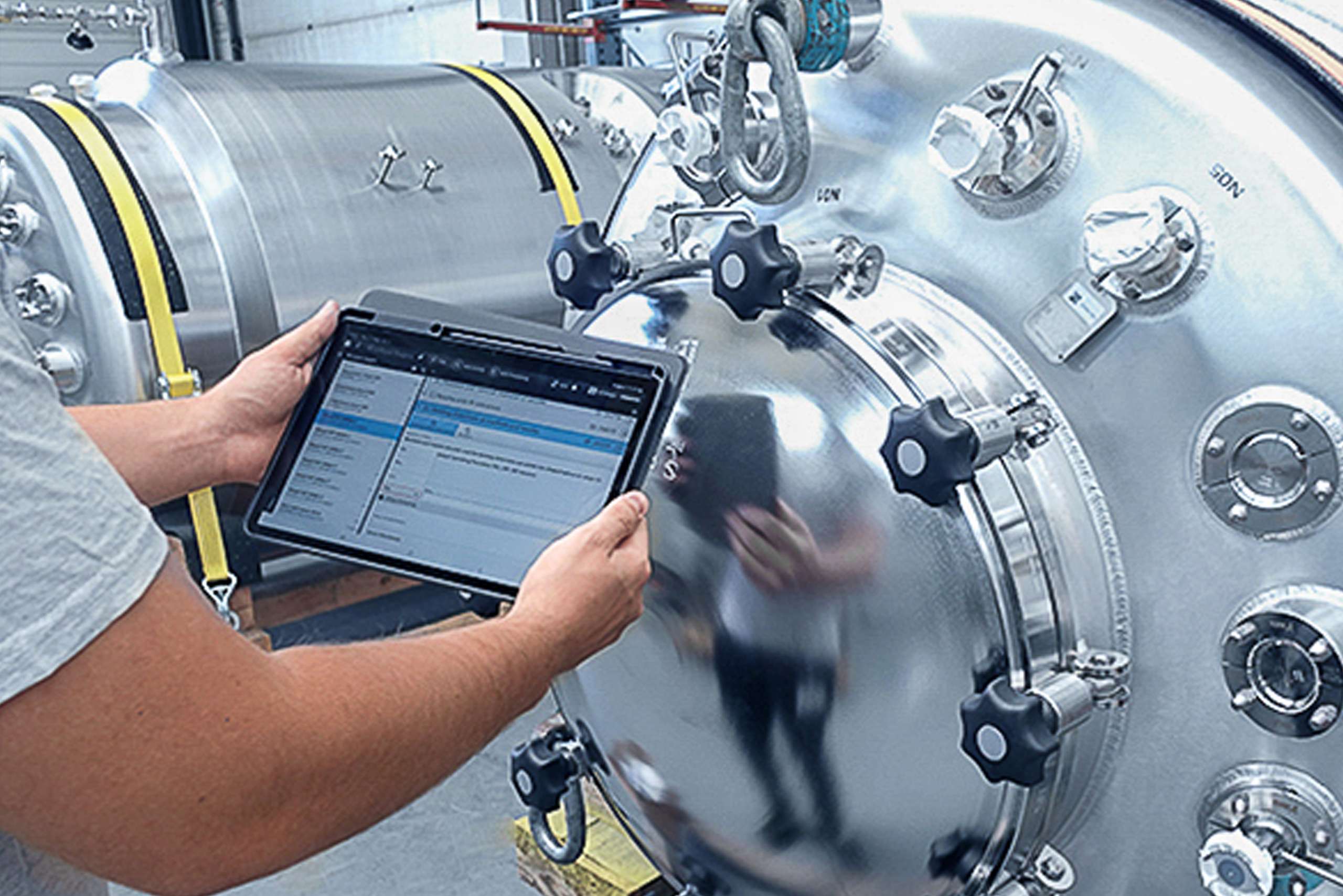
Qualification has always been one of the most documentation-intensive phases in pharmaceutical engineering – but today’s projects demand a faster, smarter, and more connected approach.
For decades, qualification activities such as Factory Acceptance Testing (FAT), Site Acceptance Testing (SAT), Installation Qualification (IQ), Operational Qualification (OQ), and Performance Qualification (PQ) have relied on extensive paper documentation, manual approvals, handwritten observations, and fragmented records. While this approach may have worked in the past, it is increasingly becoming inefficient for modern pharmaceutical projects that demand speed, traceability, compliance, and global collaboration.
Today, paperless qualification is emerging as the preferred approach for pharmaceutical engineering projects – especially in India, where the biopharma industry is rapidly scaling manufacturing capacity while simultaneously preparing for stricter global compliance expectations.
Why paper-based qualification is becoming a bottleneck
Pharmaceutical qualification processes generate enormous amounts of documentation. Every test execution, deviation, approval, and verification step requires detailed recording and review. In traditional systems, this often creates several operational challenges:
- Delays in document review and approval
- Manual transcription errors
- Inconsistent documentation formats
- Difficulty tracking revisions and deviations
- Lack of real-time visibility into project status
- Increased effort during audits and inspections
- Complex coordination between engineering, automation, quality, and validation teams
In large-scale projects, qualification documentation can quickly run into thousands of pages. Managing this manually not only slows down project timelines but also increases compliance risks.
As Indian pharmaceutical and biotech companies continue expanding into regulated global markets, these inefficiencies directly affect time-to-market, operational readiness, and overall project profitability.
What is paperless qualification?
Paperless qualification replaces traditional manual documentation processes with digitally integrated workflows for planning, execution, review, approval, and reporting of qualification activities.
Instead of paper forms and disconnected spreadsheets, digital qualification systems allow teams to document tests electronically using tablets or digital interfaces, while automatically recording results, timestamps, approvals, deviations, and audit trails in a centralised system.
Modern digital qualification platforms support:
- Digital FAT and SAT recording
- Real-time test tracking
- Electronic signatures
- Automated document generation
- Centralised data management
- Standardised workflows
- Integrated compliance tracking
- Faster review and approval cycles
This creates a significantly more reliable and traceable qualification process while reducing manual intervention.
Why paperless qualification matters for Indian pharma projects
India is one of the world’s largest pharmaceutical manufacturing hubs, supplying medicines, vaccines, biosimilars, and APIs to global markets. However, the complexity of modern biopharma facilities is increasing rapidly. New facilities now involve:
- Advanced automation systems
- Integrated cleanroom environments
- Data-driven manufacturing
- Single-use technologies
- Hybrid manufacturing systems
- Strict regulatory expectations from the USFDA, EMA, MHRA, and WHO
In this environment, traditional qualification methods struggle to keep pace. Paperless qualification helps Indian pharmaceutical companies in several important ways:
- Faster project execution – Digital workflows reduce delays associated with document circulation, manual reviews, and rework. Teams can execute and approve tests faster, helping facilities move from commissioning to production readiness more efficiently.
- Improved compliance and traceability – Digital systems automatically create audit trails, ensuring every action is traceable. This simplifies regulatory inspections and strengthens data integrity practices.
- Reduced human error – Manual documentation often results in incomplete entries, illegible handwriting, duplicate data, or missed approvals. Digital systems standardise execution and minimise documentation errors.
- Better collaboration across teams – Engineering, automation, QA, and validation teams can work within a shared digital environment, improving coordination across project phases and locations.
- Real-time visibility – Project stakeholders gain continuous visibility into qualification status, pending tasks, deviations, and approvals, enabling proactive decision-making.
Moving from disconnected documentation to integrated digital workflows
One of the biggest shifts in modern pharmaceutical engineering is the move toward integrated digital ecosystems rather than isolated software tools. Paperless qualification delivers maximum value when connected to the broader engineering and operational lifecycle. This means linking design data, automation systems, quality processes, and qualification workflows into a unified digital environment.
Global pharma engineering companies are increasingly adopting this integrated approach to create seamless digital value chains across project execution.
The future of qualification is digital
The pharmaceutical industry is moving toward connected, data-driven manufacturing environments where engineering, operations, maintenance, and quality are digitally integrated. Paperless qualification is no longer simply about reducing paperwork. It is about creating faster, smarter, and more transparent project execution models that support compliance, scalability, and operational excellence.
For Indian pharmaceutical and biotech companies, adopting digital qualification practices can help:
- Accelerate facility readiness
- Improve audit preparedness
- Reduce lifecycle documentation complexity
- Enhance cross-functional collaboration
- Support long-term digital transformation goals
As facilities become more automated and globally connected, paper-based qualification processes will increasingly become a limitation rather than a safeguard. The future belongs to pharmaceutical manufacturers that can combine engineering excellence with digital execution – and paperless qualification is becoming a foundational step in that journey.
ZETA’s approach to digital qualification
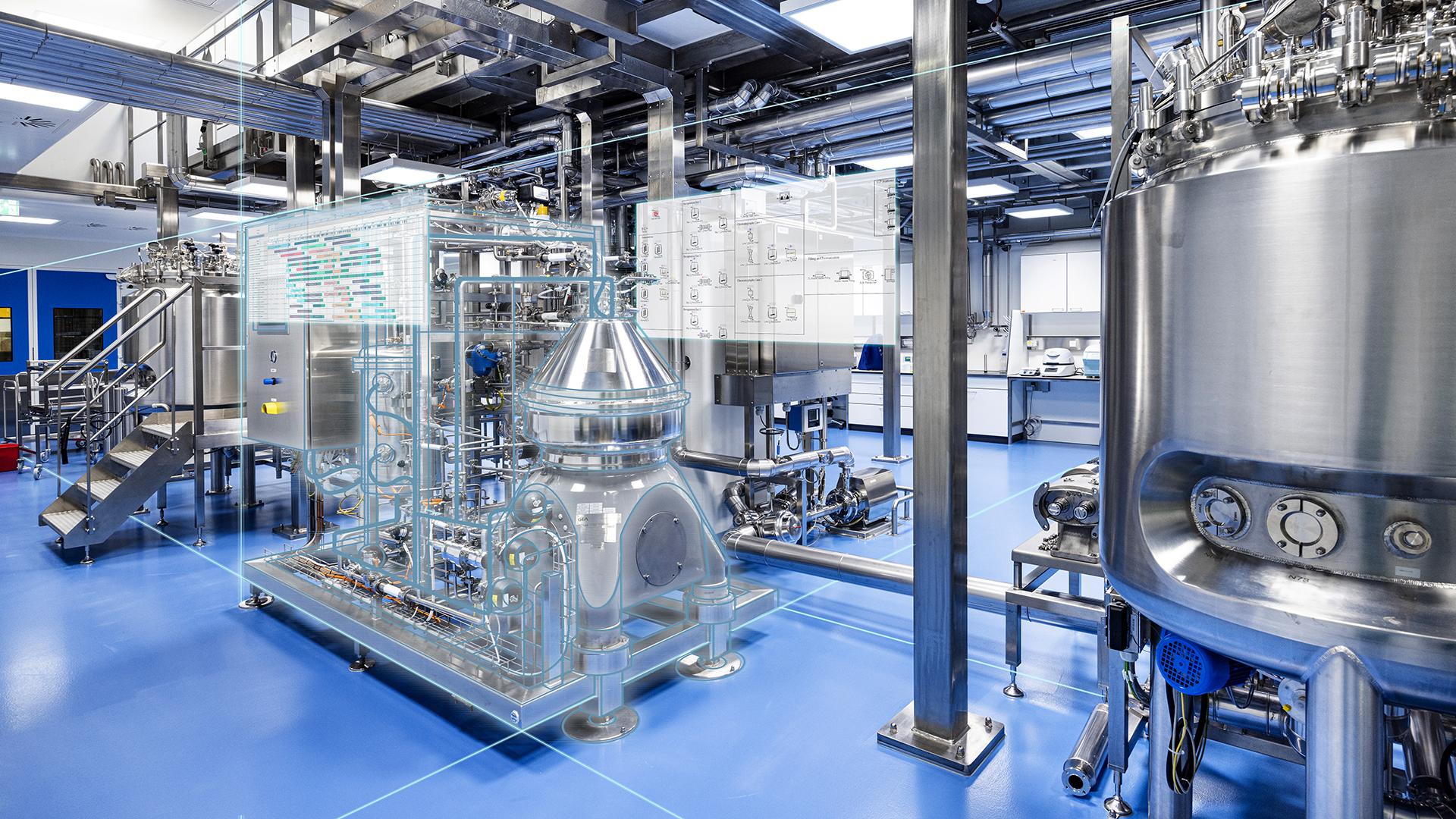
ZETA India has been at the forefront of digital transformation in pharmaceutical and biotech engineering, with a strong focus on integrated digital workflows across engineering, automation, qualification, and operations. Our tool is designed to enable fully digital planning, execution, and documentation during quality testing processes, including FAT and SAT activities. The platform integrates with Siemens COMOS and helps transform traditional paper-based qualification into a standardised digital workflow.
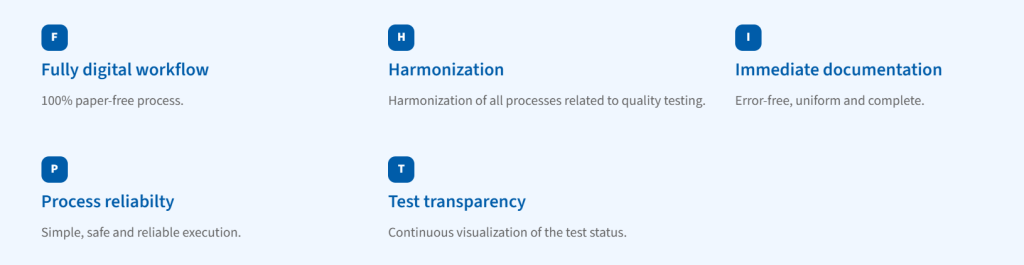
Benefits include –
- Fully paper-free testing workflows
- Immediate and standardised documentation
- Real-time visualisation of test progress
- Harmonised QA processes
- Improved reliability and traceability
This digital approach allows pharmaceutical companies to execute qualification activities more efficiently while improving compliance readiness.
ZETA India’s role in supporting digital pharma engineering
ZETA India brings together expertise in bioprocess engineering, automation, digitalisation, and qualification to support pharmaceutical and biotech manufacturers throughout the project lifecycle.
The company provides:
- Engineering and process design
- Automation services
- Qualification and validation support
- FAT, SAT, IQ, OQ, and PQ execution
- Digital engineering workflows
- Process simulation and optimisation
As part of the global ZETA ecosystem, ZETA India combines local execution capabilities with international digital engineering expertise. This becomes particularly valuable for Indian pharmaceutical manufacturers aiming to align with global GMP expectations while accelerating project timelines and improving operational efficiency.