India’s biopharma industry is entering a transformative phase. From biosimilars and vaccines to cell culture technologies, fermentation-based products, and novel biologics, Indian manufacturers are rapidly scaling capabilities to meet both domestic and global demand.
However, scaling bioprocesses from laboratory success to commercial manufacturing remains one of the industry’s biggest challenges. Many promising biotech innovations struggle not because the science fails, but because the transition from lab-scale development to industrial production is not engineered correctly from the beginning. Process inconsistencies, rising operational costs, delays in commissioning, utility mismatches, and scaling inefficiencies can significantly impact profitability and time-to-market.
This is why early-stage engineering has become a critical success factor for modern biopharma facilities.
We spend considerable time in deliberations with clients during the initial engineering stages. The decisions taken at this stage can determine nearly 80% of the project’s future investment and operating costs. In a market like India, where manufacturers must balance global compliance, cost competitiveness, scalability, and speed, this approach is especially relevant.
The growing complexity of Indian biopharma manufacturing
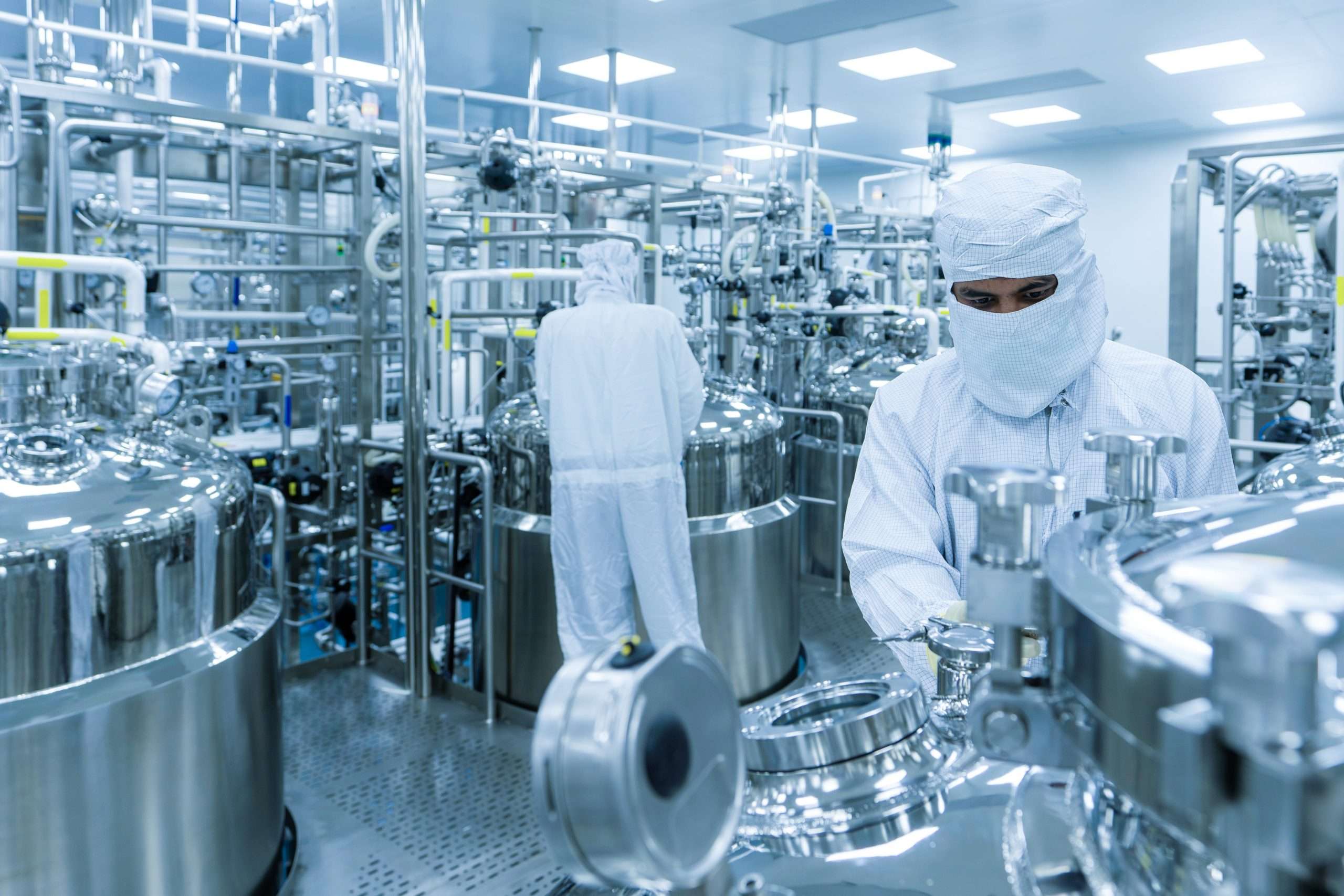
Indian biopharma companies are no longer building facilities only for local production. Many are designing plants intended for regulated markets such as the US, Europe, and emerging global regions.
This shift introduces several new requirements:
- Faster commercialisation timelines
- Flexible manufacturing systems
- Higher automation levels
- Data-driven operations
- Compliance with global GMP requirements
- Energy-efficient and sustainable facilities
- Multi-product manufacturing capabilities
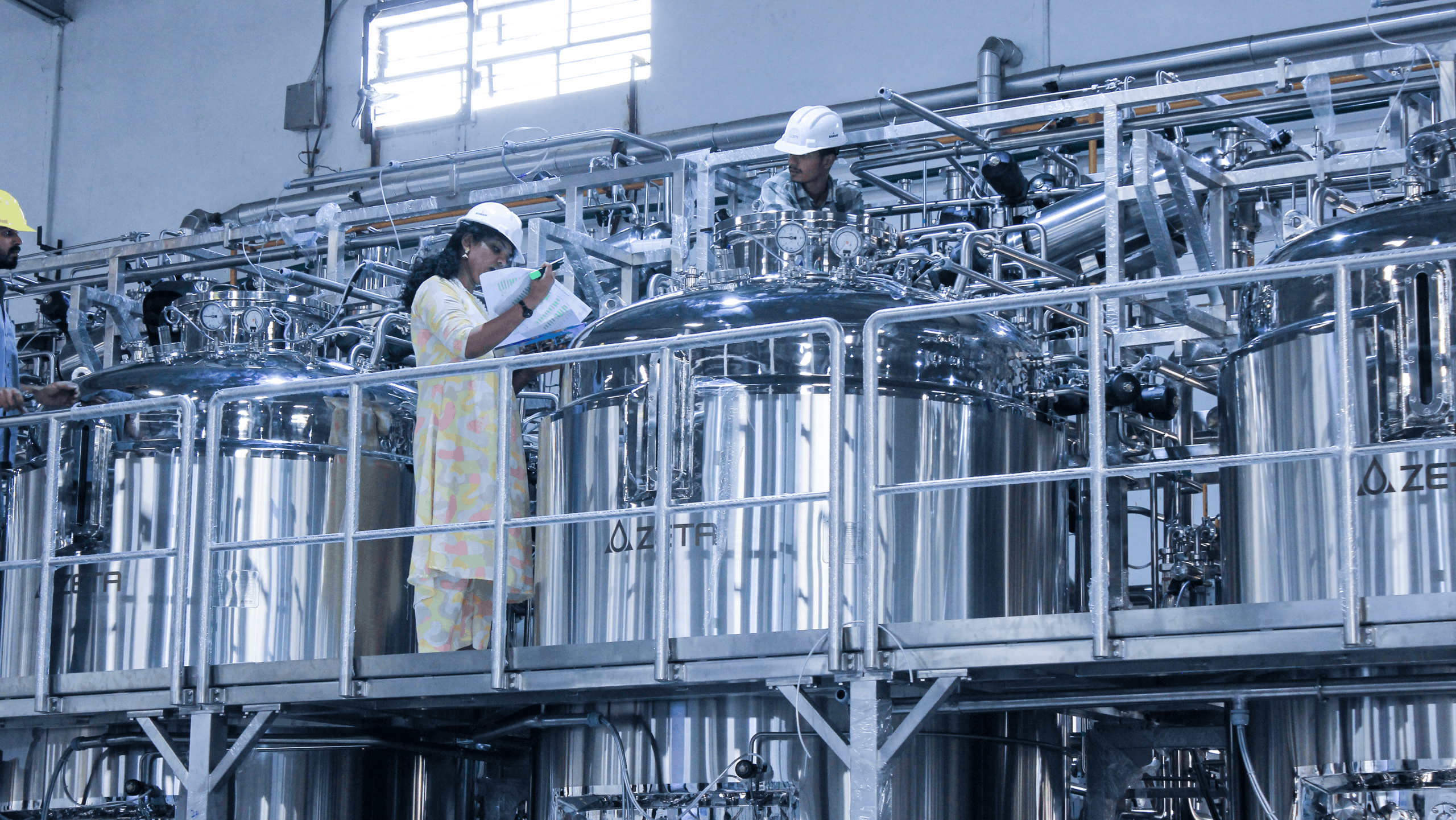
At the same time, biological processes themselves are becoming more sensitive and complex. Scaling microbial fermentation or mammalian cell culture from a laboratory flask to a large-scale production bioreactor is not a linear exercise. What works in a laboratory environment may behave completely differently at production scale due to changes in oxygen transfer, mixing behaviour, heat transfer, shear stress, contamination risks, and process control dynamics. This is where engineering and biology must work together.
From scientific discovery to industrial feasibility
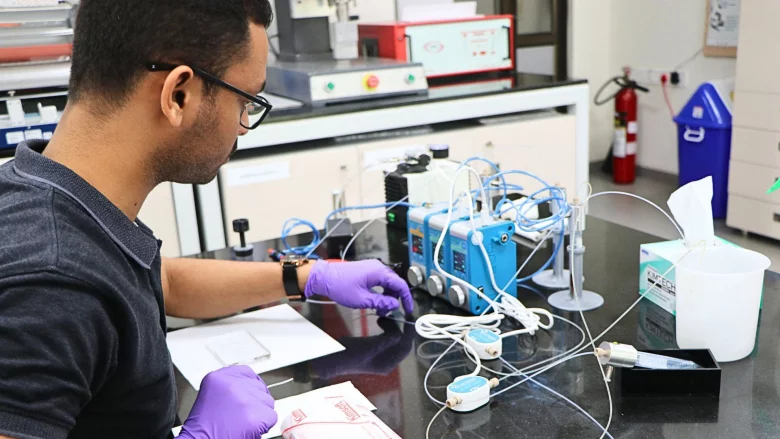
In the laboratory stage, scientists focus heavily on strain development, media optimisation, yield improvement, and product quality. Much of the work is manual, highly controlled, and optimised for experimentation. However, industrial manufacturing introduces entirely new variables:
- Equipment limitations
- Utility requirements
- Automation architecture
- Cleaning strategies
- Process integration
- Operator workflows
- Regulatory documentation
- Facility logistics
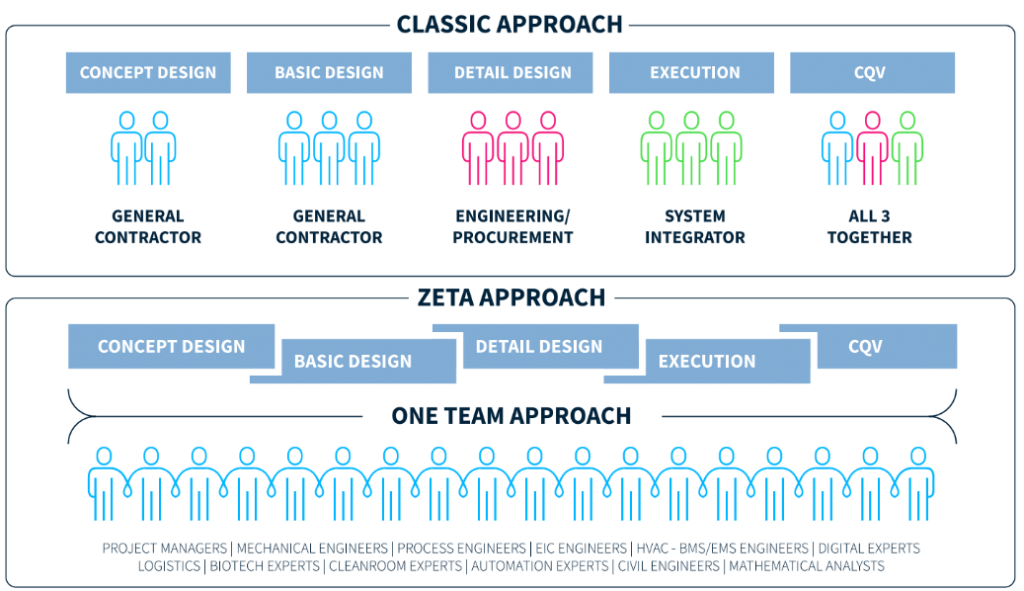
The challenge is not simply increasing reactor size. It is about ensuring that biological performance remains stable and reproducible under industrial conditions. According to ZETA’s engineering philosophy, successful scale-up requires close collaboration between biological scientists, process engineers, automation specialists, and facility designers from the earliest project stages. This integrated approach reduces technical risk while improving commercial viability.
The pivotal role of pilot-scale development
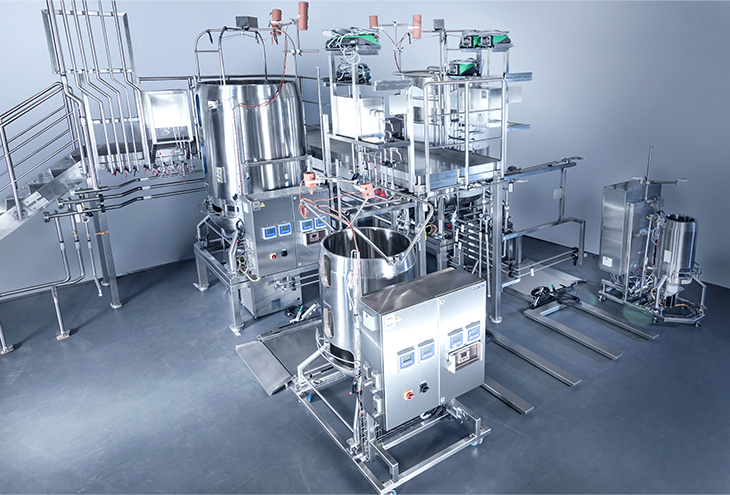
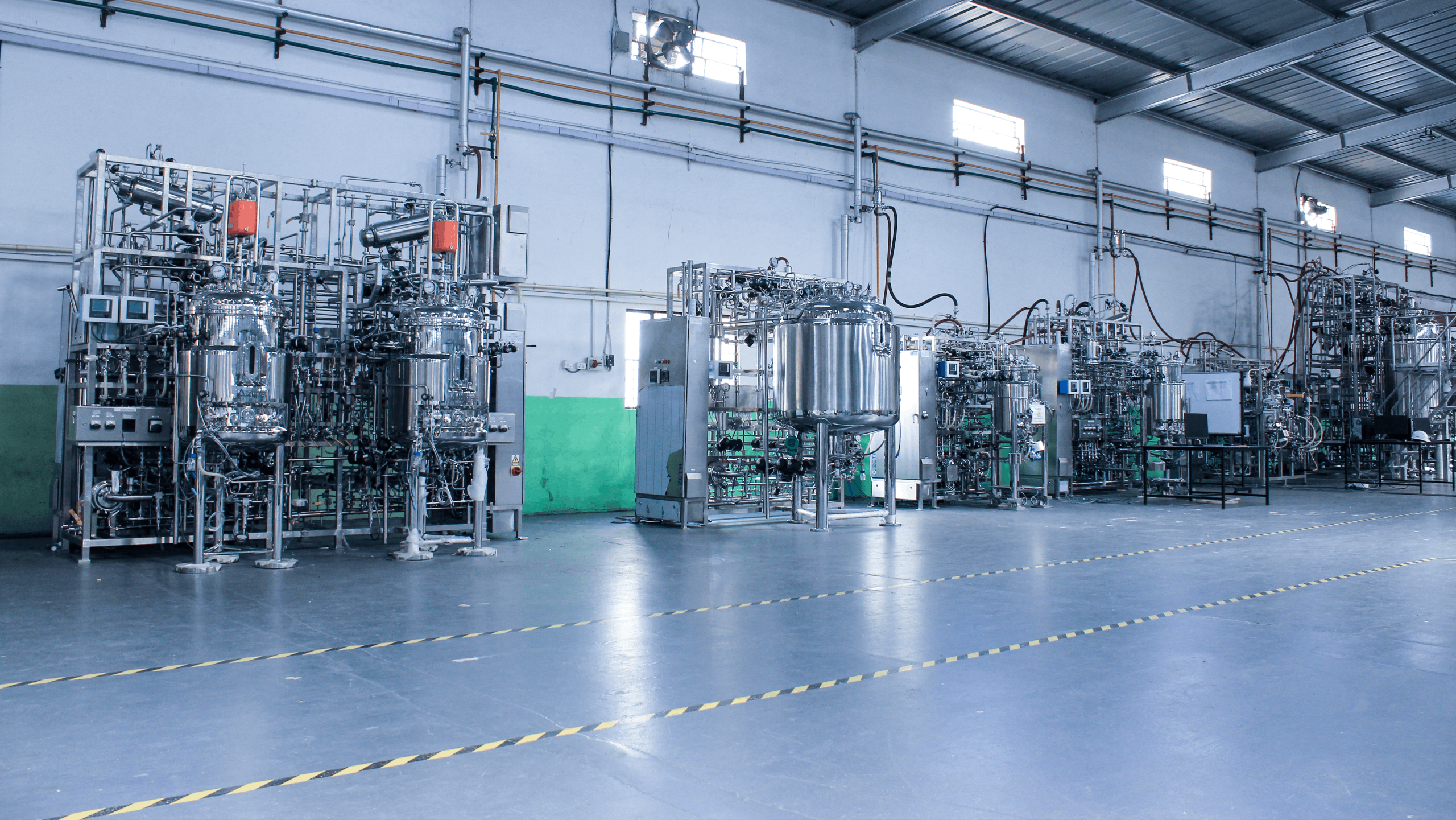
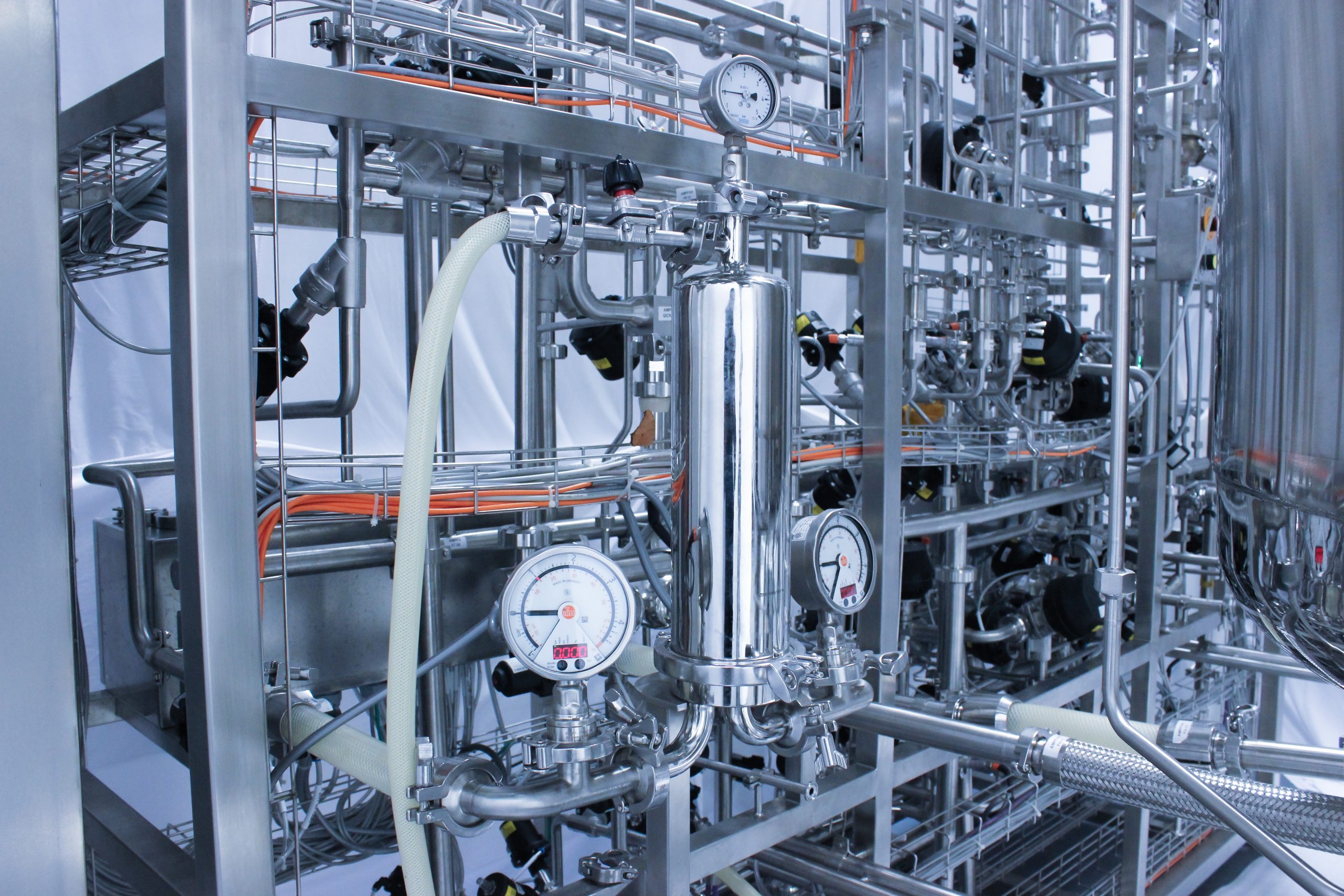
One of the most important phases in early-stage engineering is pilot-scale development. Pilot plants help manufacturers bridge the gap between laboratory experimentation and industrial production. They allow teams to validate process behaviour, evaluate equipment technologies, determine critical process parameters (CPPs), and generate reliable operational data.
For Indian biopharma companies investing in large CAPEX projects, pilot-scale studies offer several advantages:
- Reduced scale-up risks
- Better technology selection
- Improved process reproducibility
- Faster regulatory readiness
- More accurate cost projections
- Lower operational uncertainty
Pilot facilities also support Design of Experiments (DoE), Quality by Design (QbD), and Process Analytical Technology (PAT) strategies that are increasingly important in modern pharmaceutical manufacturing. This phase serves as the foundation for informed engineering and business decisions.
Why concept design matters the most
Among all project phases, concept design is often the most underestimated. We believe that concept design may account for only about 1% of the total project cost, yet it influences nearly 80% of the final investment decisions. During the concept design phase, companies evaluate the overall manufacturing strategy and define the facility vision. This stage answers critical questions such as:
- Should the facility use single-use systems or stainless steel equipment?
- Will the plant support single-product or multi-product manufacturing?
- What level of automation is required?
- What should be the expansion strategy?
- How should material and personnel flow be designed?
- What utilities and cleanroom classifications are necessary?
- What is the optimal production capacity?
For Indian manufacturers, these decisions directly affect operational efficiency, regulatory compliance, scalability, and long-term profitability. A well-executed concept design phase helps avoid expensive redesigns later in the project lifecycle.
Basic design: converting strategy into engineering
Once the overall concept is finalised, the project enters the basic design phase. This stage converts business objectives and process requirements into structured engineering definitions. Process flow diagrams, utility calculations, equipment selection, automation architecture, cleanroom zoning, and preliminary layouts are established in greater detail.
The basic design phase also enables value engineering opportunities. Manufacturers can optimise energy consumption, improve process flow, refine automation strategies, and evaluate cost-performance trade-offs before construction begins. For Indian biopharma projects operating under tight timelines and budgets, this phase plays a crucial role in balancing technical excellence with commercial practicality. Importantly, modifications during the basic design stage remain manageable and relatively cost-effective compared with later project phases.
Detail design: preparing for execution
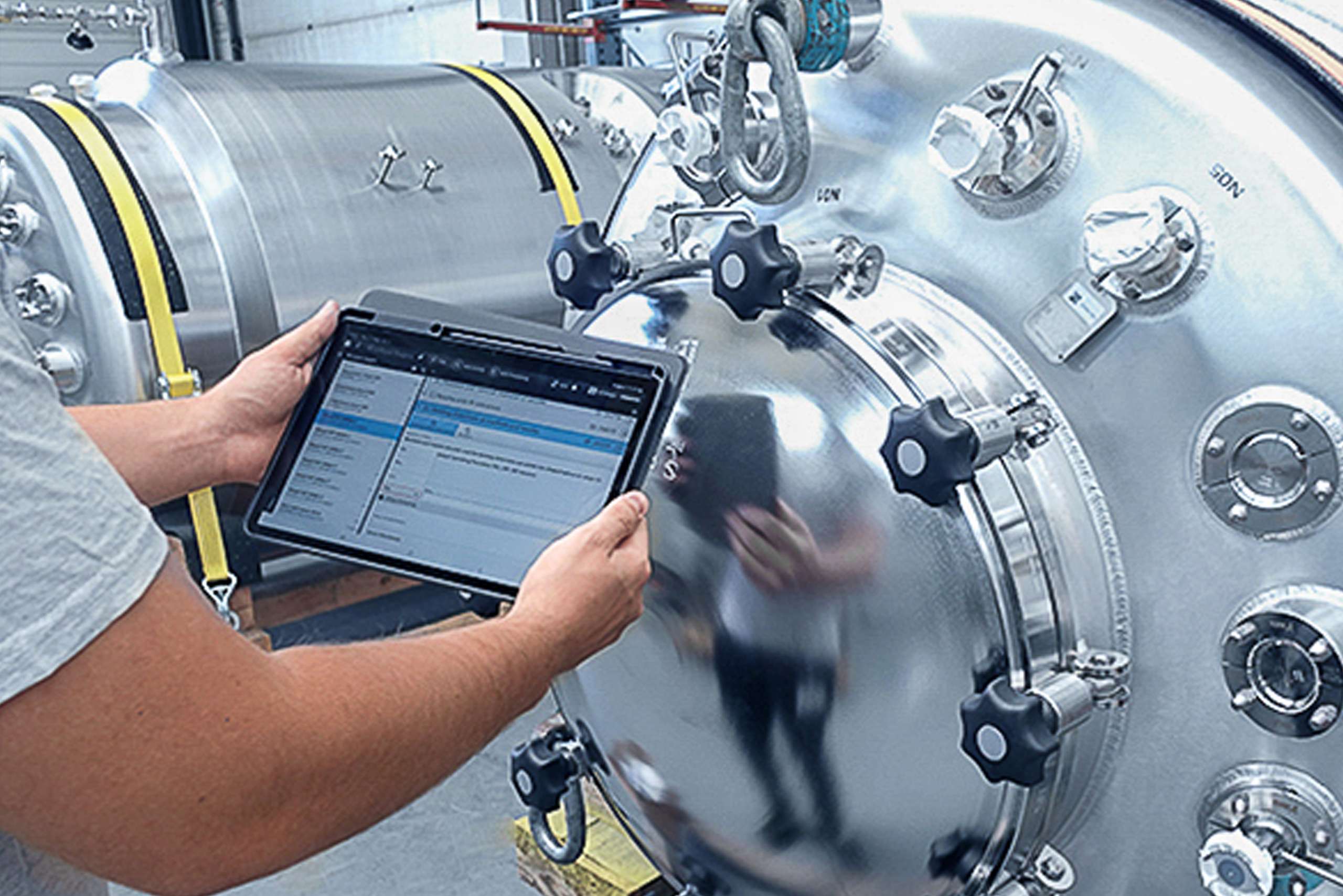
The detail design phase is where the project becomes execution-ready. Engineering teams finalise piping layouts, instrumentation details, electrical systems, HVAC integration, automation logic, structural coordination, and construction documentation. At this stage, every engineering discipline must work in close synchronisation.
Changes made during detail design or construction can become extremely expensive and time-consuming. Delays in one area can impact multiple downstream activities, including procurement, installation, commissioning, qualification, and validation. This is where our integrated methodology helps reduce project risks related to quality, cost, and timelines.
Building future-ready biopharma facilities in India
India is expected to become one of the world’s leading biomanufacturing hubs over the next decade. As investments increase across vaccines, biosimilars, fermentation technologies, cell therapies, and biologics, facility expectations are also evolving rapidly.
Modern facilities must not only support production but also enable:
- Digital manufacturing
- Process scalability
- Operational flexibility
- Sustainable operations
- Faster product transfers
- Regulatory adaptability
Achieving these goals requires more than equipment procurement or plant construction. It requires strategic engineering thinking from the earliest stages of project development. Early-stage engineering is the foundation of commercial success.
For Indian biopharma companies planning new manufacturing facilities or expanding existing operations, the ability to align biological science, process engineering, automation, facility design, and business strategy will define long-term competitiveness. The companies that invest in robust concept design, structured basic design, and integrated detail engineering today will be better positioned to build efficient, scalable, and globally competitive biopharma facilities tomorrow.