A practical engineering guide to selecting and implementing a tangential flow filtration system.
India now plays a significant role in vaccine, biosimilar, and other biologic medicine production. As manufacturers add capacity, modernise existing facilities and move processes from development to commercial production, decisions about process equipment become increasingly important.
Installing a Tangential Flow Filtration, or TFF, is one such good example. Selecting a TFF system is not simply a matter of comparing membrane area, pump capacity, or skid specifications. The membrane, flow path, equipment, automation, and plant services must work together around the needs of the product and process.
This unified design factor becomes essential during brownfield installations. A new TFF system may have to fit within a fixed room and existing pipe routes. Water for Injection (WFI), clean steam or buffer preparation capacity may be limited. Multi-product plants may need faster changeovers while maintaining robust cleaning controls. A system selected for today’s batch volumes may also need a practical route towards future expansion.
A poor TFF design can put valuable products at risk. It can cause batch investigations, delay product release, create unplanned downtime and reduce the use of expensive manufacturing assets. The decision therefore affects quality, delivery, cost, and return on capital.
The first question should not be, “Which TFF skid should we buy?”
It should be: “What does the product and process need, and how do we build a complete system that can deliver it reliably, across batches?”
That question turns TFF selection into a manufacturing-system decision rather than a simple equipment purchase.
Why the TFF decision matters
A process that works at development scale may behave differently at production scale. Batch volume, product concentration and process conditions can change. Small design choices can therefore affect product recovery, cycle time, buffer use, cleaning effort, operator workload, and plant capacity.
Every part of the system affects another part. The pump influences flow and product shear. Pipes and tubes affect pressure loss and how much product remains in the system. Sensors and control logic help keep the process within approved limits. The cleaning method influences equipment design and changeover time. The room layout and plant services can restrict what is practical.
The aim is not to optimise individual components in isolation. It is to engineer a complete system around the product, process, and facility.
1. Start with the product and process
Before comparing suppliers or equipment, define what the TFF step must achieve. Important questions include:
- What concentration and diafiltration targets must the process achieve?
- What are the current and future batch-volume ranges?
- How does product viscosity change as concentration increases?
- How sensitive is the product to shear, temperature and residence time?
- What product recovery is acceptable, and how much hold-up volume can the process tolerate?
- Which process parameters and endpoints must be controlled or automated?
Clear process requirements reduce the risk of selecting high-performance equipment that does not fit the actual operating window.
2. Design the TFF system as one connected unit
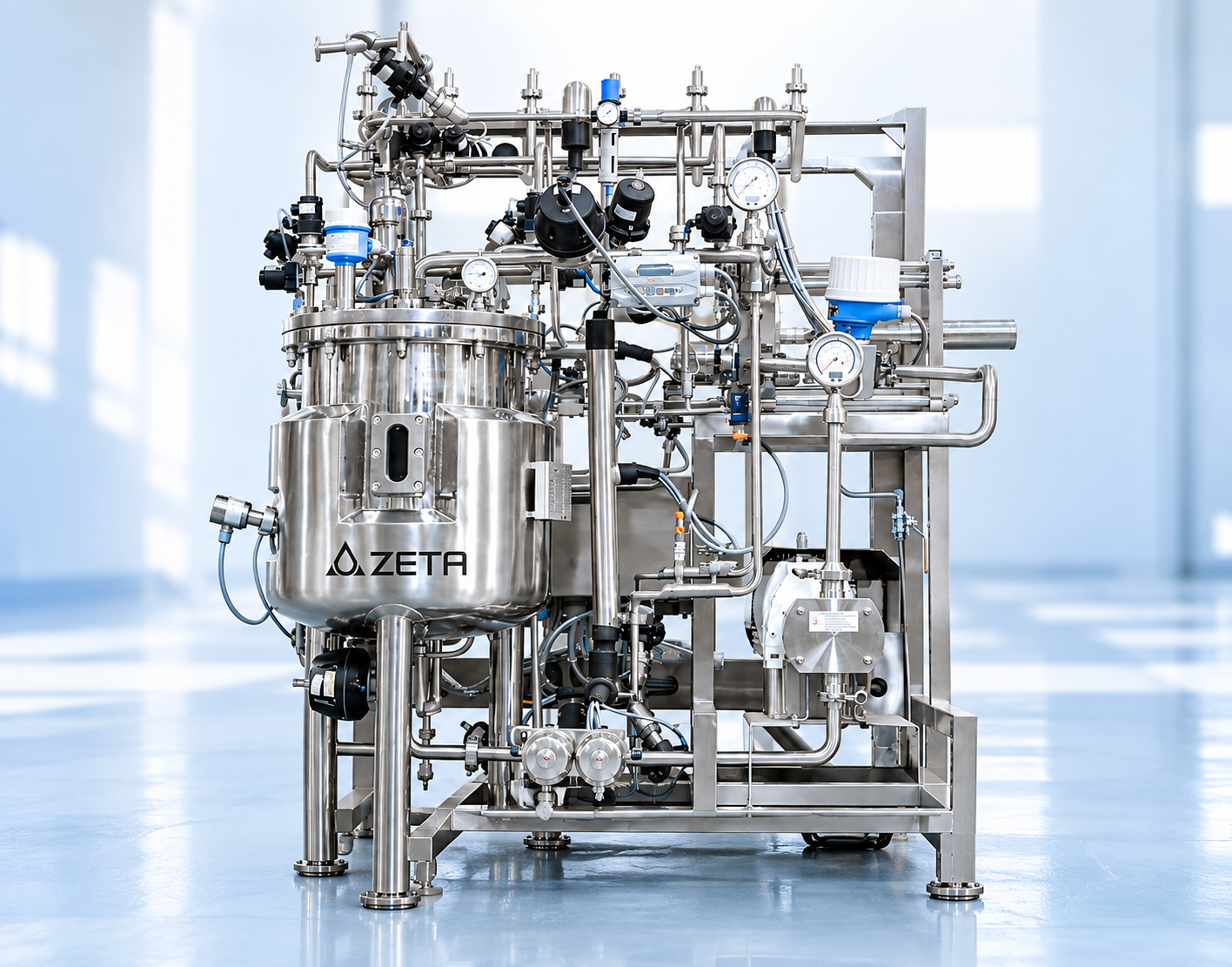
Once the process requirements are clear, translate them into a complete system architecture covering membranes, pumps, vessels, pipes or tubes, valves, instrumentation, pressure measurement, automation, and data records.
The operating method matters too. Traditional recirculating TFF and single-pass TFF (SPTFF) support different process needs. Stainless-steel, single-use and hybrid systems also have different implications for cleaning, changeover time, supply planning, and plant infrastructure.
These decisions cannot be made independently. A pump may meet the required flow rate, for example, but its interaction with the flow path must also provide suitable pressure control without creating unnecessary shear. Pipe and tube dimensions influence pressure loss and how much valuable product remains in the system.
The goal is therefore not to select the best individual components. It is to build a complete system that suits the product, process, and plant.
3. Test the design against the reality of the facility
A technically robust design must also work in the plant where it will operate. For manufacturers expanding or modernising facilities in India, practical checks include:
- Brownfield integration: Can the system fit within existing room layouts, pipe routes, ceiling heights, and equipment-access constraints?
- Plant services: Are WFI, clean steam, buffer preparation, drainage, and waste-handling capacities sufficient for the intended cycle?
- Multi-product operation: Can the system support efficient changeovers, robust cleaning verification, and flexible recipe control?
- Growth: Can development or pilot-scale choices provide a sensible route to higher commercial throughput?
A design that ignores these constraints may look attractive on paper but become expensive to install, qualify, or operate.
4. Design control and data around repeatable operation
Equipment determines what the system can do. Control and automation help it do the same job consistently.
Pressure, flow, temperature, conductivity, pH, and relevant process endpoints should therefore be considered during system design instead of being added after the mechanical design is complete.
The system must also work for the people who operate it. Recipes, alarms, safety interlocks, electronic records, cleaning steps, and changeover instructions all influence day-to-day performance.
Reliable scale-up should come from repeatable system performance, not repeated operator intervention.
5. Plan implementation before purchase
Equipment selection is only one part of the project. Before finalising the design, the team should consider installation interfaces, factory and site acceptance testing (FAT/SAT), commissioning, qualification, process transfer, operator training, maintenance, and long-term support.
Shift the procurement question from “Does this skid meet the specification?” to “Can the site install, test, qualify, operate and support this system reliably throughout its working life?”
Reviewing these questions before purchase helps identify problems while the design can still change, rather than during installation or qualification when changes become more difficult and costly.
6. Build for today without closing off tomorrow
Biomanufacturing needs change. Oversizing a system for an uncertain future can add unnecessary capital cost, while designing too tightly can make later expansion difficult.
Future flexibility may come from choices such as expandable membrane capacity, modular automation, mobile skid layouts, or an appropriate mix of stainless-steel and single-use equipment. The right approach depends on the product pipeline, expected scale and facility strategy.
The objective is practical flexibility: enough room to grow without paying today for capacity that may never be used.
A practical TFF selection roadmap
Product requirements → Process parameters → System architecture → Facility fit → Control strategy → Implementation → Lifecycle flexibility.
Working backwards from the required manufacturing outcome, rather than forwards from a supplier catalogue, helps keep the decision practical, compliant and robust.
Five questions for a leadership review
- What product value and batch risk does this process carry?
- Could the proposed design delay batch release or reduce plant utilisation?
- Which plant services, room constraints or interfaces could limit performance?
- What records, controls and evidence will operations and quality need?
- Which design decisions support future growth without unnecessary capital cost?
These questions help leadership teams connect an equipment decision with manufacturing performance, risk, and investment value.
Where integrated engineering delivers value
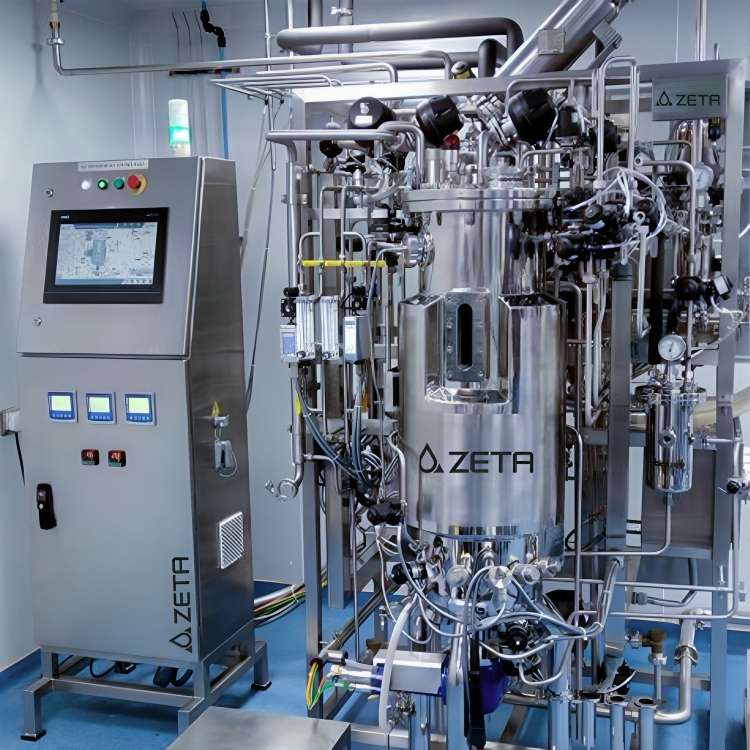
ZETA India’s integrated engineering approach brings the product, process, equipment, automation, and facility together as one design problem. Instead of treating membranes, process equipment, controls and plant interfaces as separate procurement decisions, the system is shaped around the specific product and operating environment.
The objective is simple: select and implement a TFF system that protects the product, fits the facility, and performs reliably as manufacturing needs evolve.