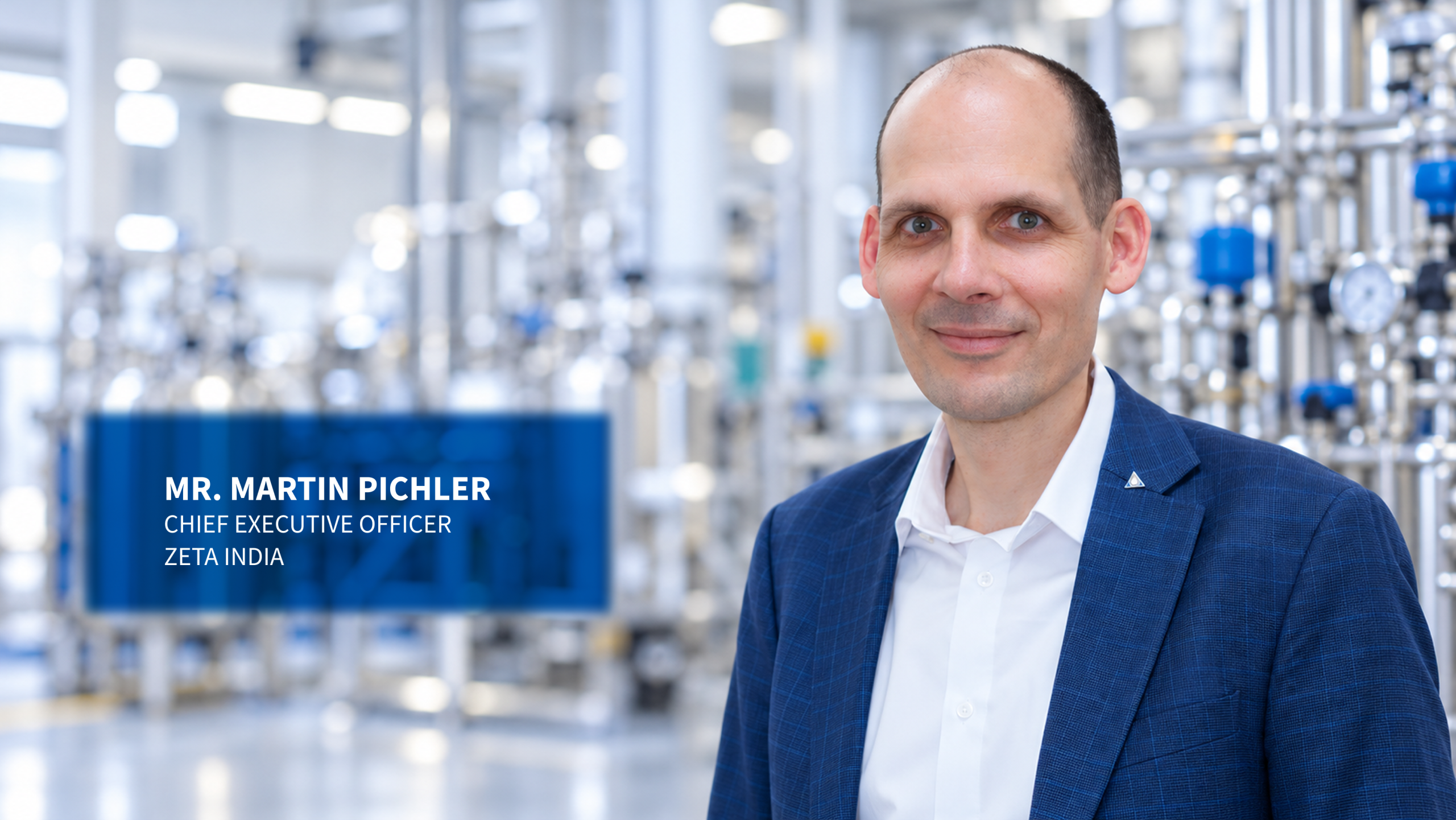
A Conversation with Martin Pichler, CEO, ZETA India
From customisation and digitalisation to sustainability and lifecycle costs, Martin Pichler, CEO of ZETA India, discusses the shifts shaping pharma facilities in India and why the most valuable partnerships begin at the concept stage.
Published date: Oct 22, 2026
Reading time: 5 minutes
As ZETA India marks another year of growth, we sat down with Martin Pichler, CEO of ZETA India, to talk about how the region’s biopharma and pharma engineering landscape is evolving — from customisation and sustainability to what really separates a strategic partner from a vendor, to where ZETA is headed next across Asia.
Engineering Trends: Customisation vs. Standardisation
Are we moving towards standardisation in biopharma facilities, or is customisation becoming even more critical?
A: Of course, some companies use more standard solutions, but overall, I see a clear move towards customised solutions combined with digitalisation and automation. This is also where I see our strengths, including here in India. ZETA India can manage the overall project while integrating standard equipment into a customised solution. This gives our customers the flexibility they need for their specific processes and requirements.
“Customisation is still the key driver.”
How does India compare with other markets when it comes to digitalisation in pharma?
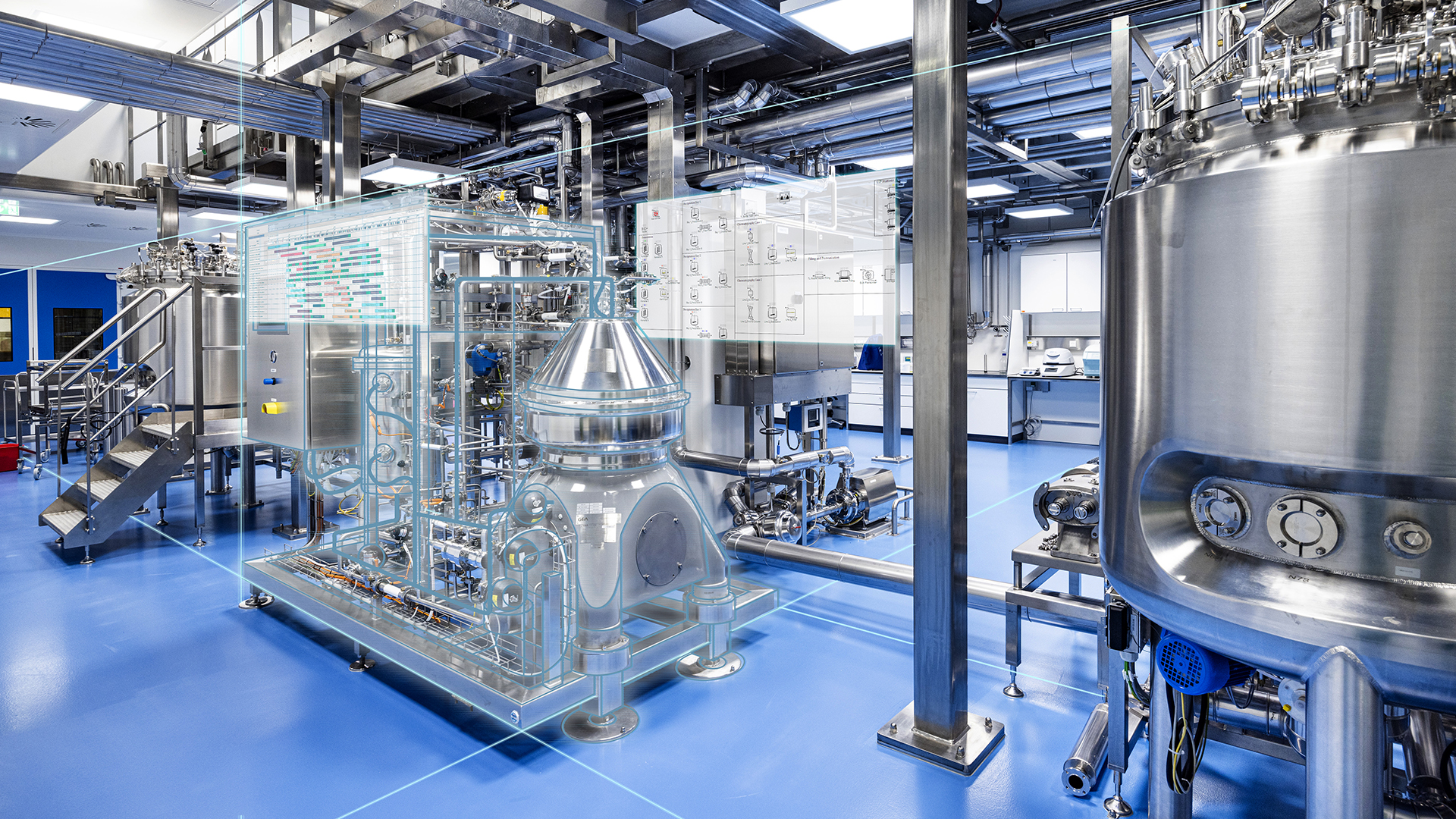
A: India has strong digital capabilities and a very open attitude towards new technologies. You can see this in everyday life. The digital systems at Bangalore Airport are one example that impressed me personally. In pharma manufacturing, however, digitalisation is still developing, as it is in many other markets. Legacy systems, regulatory requirements and the complexity of implementation remain challenges. I expect investment in digitalisation to grow across Asia, particularly in greenfield projects and larger brownfield modernisations. This is where ZETA can contribute with process expertise and tools such as INOSIM for process simulation.
Sustainability and Energy Efficiency
What role do sustainability and energy efficiency play in engineering decisions today, beyond regulatory compliance?
A: Sustainability and energy efficiency are becoming increasingly important in India, including in the pharma sector. I expect them to play a growing role in new investments, especially in greenfield projects. We also see companies looking beyond individual projects and considering energy use and sustainability across an entire site. This includes the modernisation of existing plants and equipment. For me, the key is to consider these topics early in the engineering process rather than treating them simply as a matter of regulatory compliance.
Customer Expectations and Decision-Making
How have expectations from biopharma companies evolved when they engage an engineering partner today?
A: When customers bring in an engineering partner, they increasingly look for an overall concept first. They want the complete picture, covering the production area, HVAC, utilities and architectural planning. This requires strong local expertise and a clear understanding of local regulations. This is exactly what we are building through our engineering offices. Working with a full-service engineering company is already well established globally, and I expect this approach to become more common across Asia as well. ZETA can support this development with our engineering expertise, simulation capabilities and digital tools.
What drives purchase decisions for customers in this market?
A: Speed to market is a major factor, completing projects in a short time so customers can get to market. Along with this, flexibility is important so they’re not locked into a single solution and have options across different products and equipment.
From Vendor to Strategic Partner
At which stage of a project can customers approach ZETA India?
A: Ideally, customers involve us from the concept stage, when we can still have the greatest impact on the overall solution. ZETA can support the full project cycle, from feasibility studies and concept design through engineering, production and automation to qualification. The earlier we are involved, the more effectively we can bring these capabilities together and help shape a solution that works as a whole.
How can the right strategic partner help customers reduce costs and create long-term value?
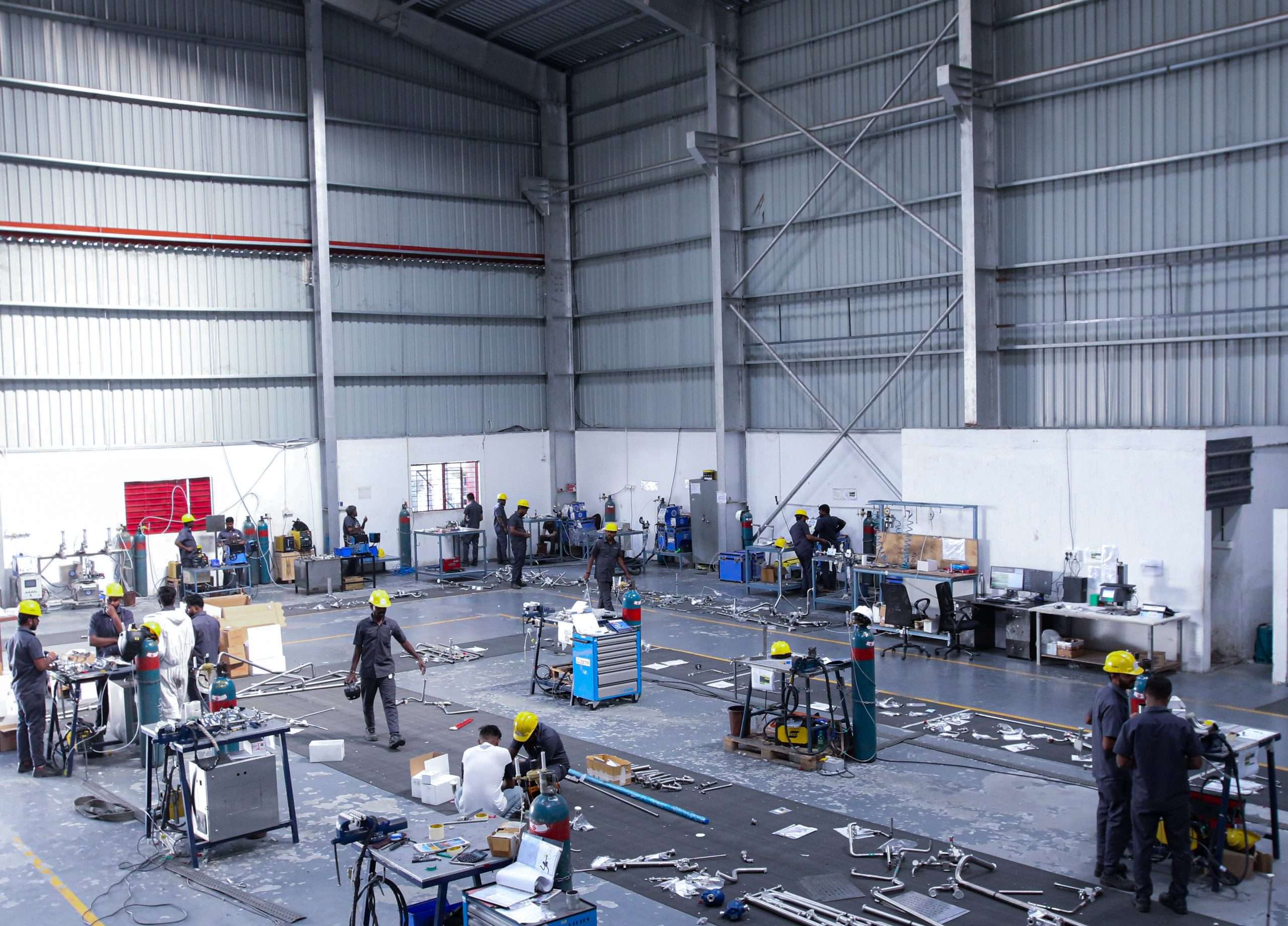
A: It starts with considering CAPEX and OPEX together. Decisions made early in a project have the greatest impact on lifecycle costs, because this is when flexibility is highest and changes are still relatively inexpensive. Once equipment has been ordered or construction has started, the cost of making changes increases significantly. A strategic partner also looks beyond a single project. By understanding the customer’s processes, business goals and future plans, we can support scalability, apply relevant experience and bring together engineering, fabrication, automation and qualification. The real value comes from shaping solutions that work as a whole and continue to deliver over the long term.
Local Roots, Global Reach
How does a global company like ZETA combine international experience with local, on-the-ground know-how in a market like India?
A: There’s a great deal of local know-how here, and our advantage comes from using that local knowledge together with international experience where it’s needed. We’re building multidisciplinary project teams to work on projects for customers around the world. Our India team is already involved in projects we deliver for the US and European markets, and that’s only growing.
“We see ourselves as an Indian company with a global footprint.”
Underlying all of it is the strength of our process and knowledge base. That’s the foundation we build everything else on, from simulation and digital twins and 3D modelling, up to fabrication, automation and qualification.
“I always see it as one project team, not a customer team and a supplier team working separately.”
Looking Ahead: Growth Across Asia
What’s next for ZETA in India and the wider Asian region?
A: We have made a clear decision to continue growing in India and across Asia. Together with Europe and the US, Asia is one of our key markets, both for talent and for meeting growing customer demand. India plays a central role in this strategy. We see it as our hub for Asia, supporting customers in India and across the region while also contributing to projects worldwide. At the same time, we are expanding our footprint across Asia, with strengthened sales teams in markets including Japan, Singapore, Malaysia, South Korea and other parts of Southeast Asia. We also opened an office in Australia last year. We are making the investments in India needed to build that role for the long term.
“For me, this growth is ultimately about applying our expertise where it can support the production of medicines that help people.”