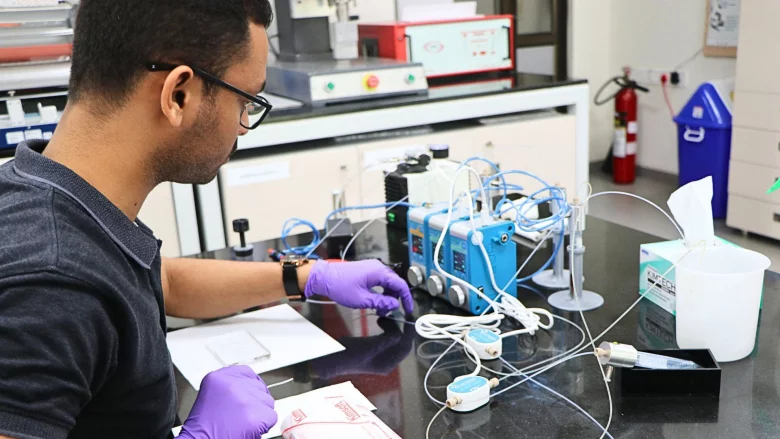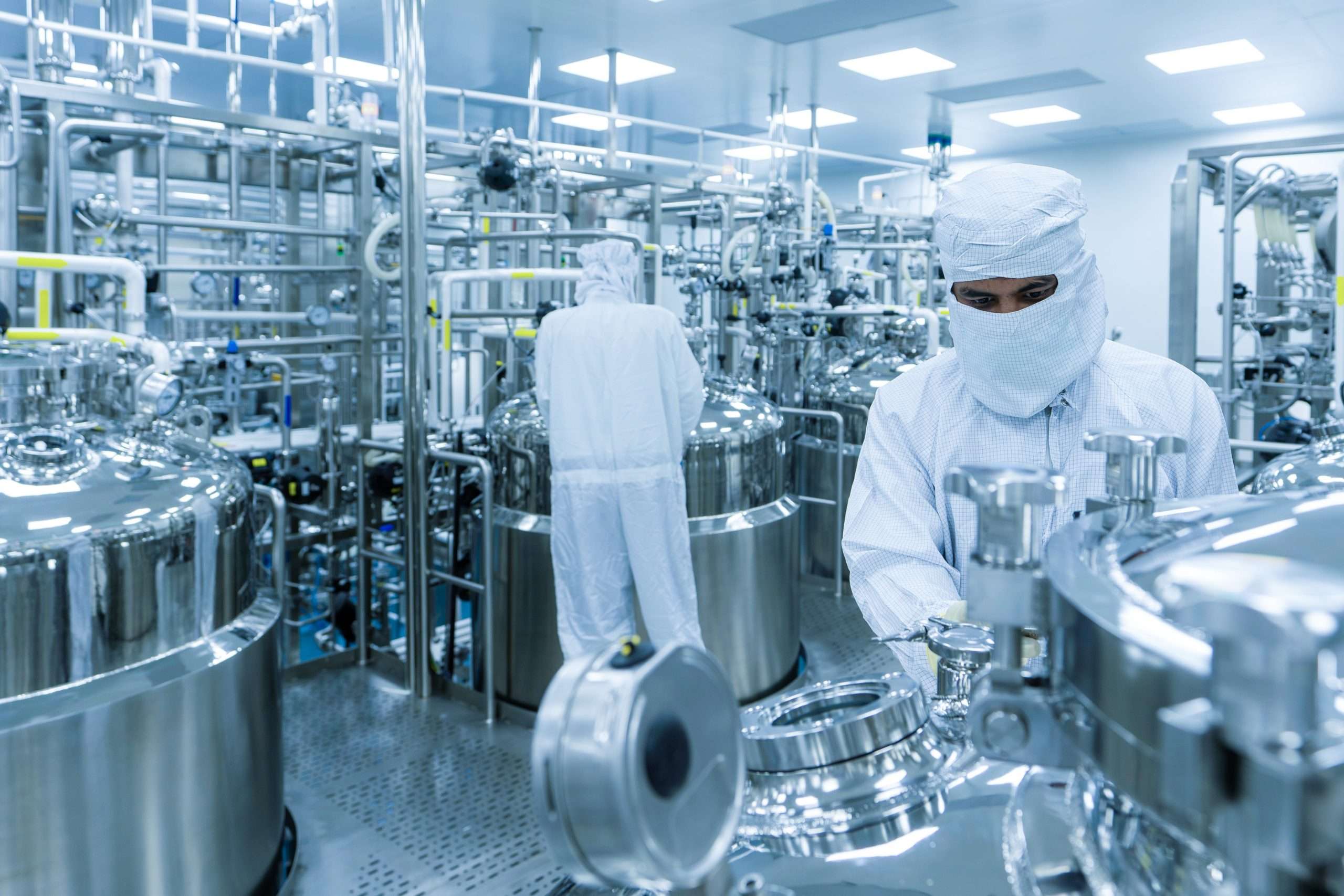
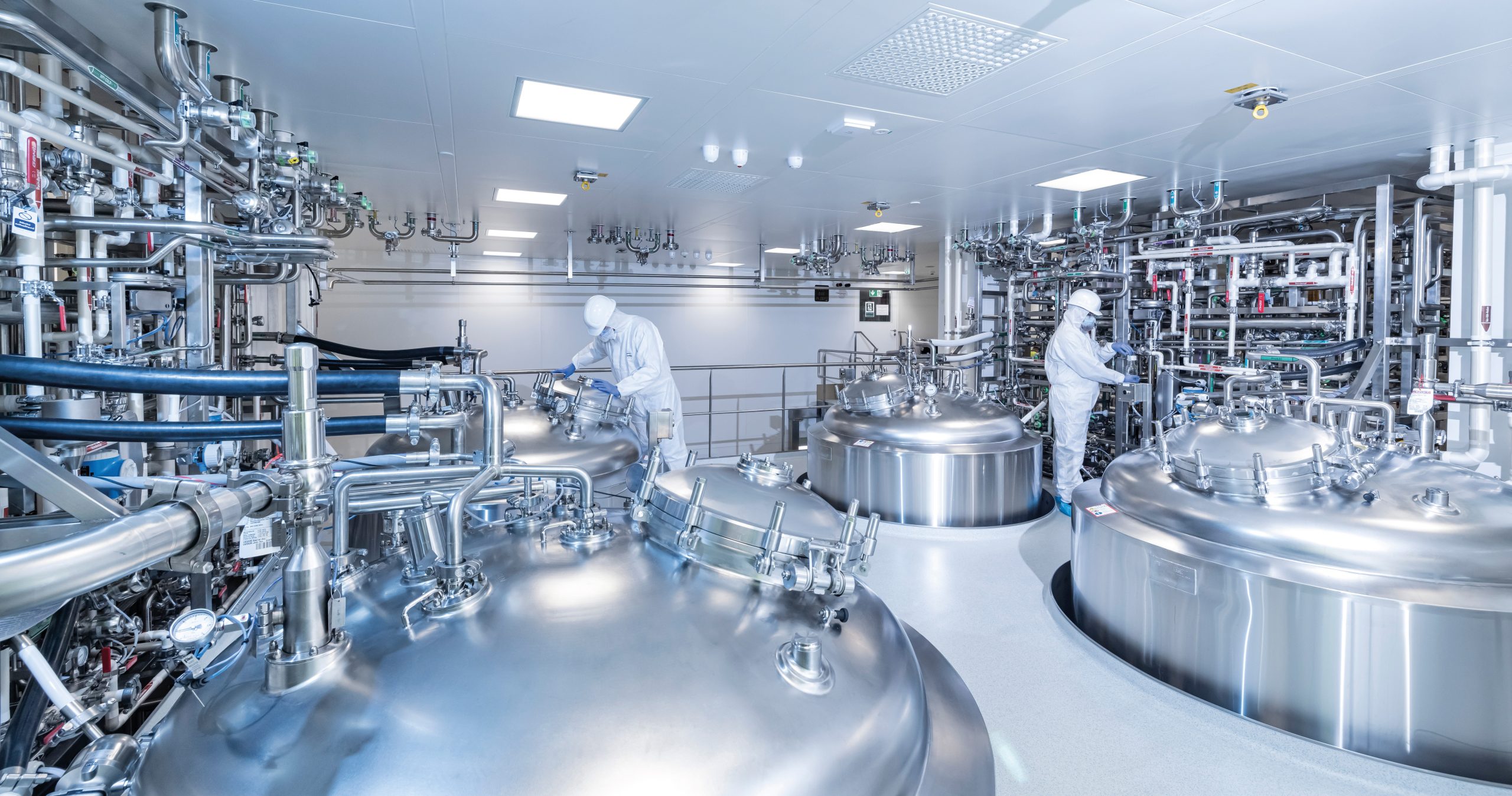
A pharmaceutical process that performs flawlessly in the laboratory does not automatically perform the same way in commercial production.
This reality sits at the heart of every scale-up project.
Across the pharmaceutical industry, companies invest significant effort in process development, optimisation, and pilot studies. Yet when batch sizes increase from laboratory vessels to industrial production systems, new engineering challenges emerge. Understanding and managing these challenges is critical for maintaining product quality, yield, and process consistency.
Why Scale-Up Is More Than Increasing Batch Size
Many people assume scale-up simply means producing larger quantities of the same product. In reality, increasing volume changes the physical behaviour of the process itself.
Factors such as:
- Mixing
- Heat transfer
- Mass transfer
- Shear forces
- Residence times
all behave differently at larger scales. As a result, processes that appear stable in development may produce unexpected outcomes during commercial manufacturing.
Challenge 1: Mixing Behaves Differently at Scale
Mixing is one of the most important yet underestimated aspects of pharmaceutical production. In small development vessels, achieving homogeneity is relatively straightforward.
As vessel volumes increase:
- Mixing times become longer
- Dead zones may develop
- Concentration gradients can occur
- Product consistency becomes harder to maintain
For sensitive pharmaceutical products, these variations can significantly affect quality and performance.
Challenge 2: Heat Transfer Becomes More Complex
Temperature control plays a critical role in many pharmaceutical processes.
At larger scales:
- Heat removal becomes slower
- Temperature gradients can develop
- Localised hot spots may form
These conditions can affect reaction rates, product stability, and process reproducibility. Maintaining consistent thermal conditions requires careful engineering of vessel geometry, jackets, agitation systems, and process controls.
Challenge 3: Mass Transfer Limitations Emerge
Many pharmaceutical and biopharmaceutical processes depend on efficient mass transfer.
As systems become larger:
- Gas-liquid transfer efficiency may decrease
- Nutrient distribution can become less uniform
- Process performance may vary throughout the vessel
These challenges become particularly important in fermentation and bioprocessing applications.
Challenge 4: Product Sensitivity Increases
Modern pharmaceutical products are becoming increasingly complex. Biologics, vaccines, and advanced therapies are often highly sensitive to:
- Shear forces
- Mixing intensity
- Process conditions
Scaling these processes requires careful balancing of process efficiency and product protection.
Challenge 5: Maintaining Consistency Across Batches
Ultimately, the goal of scale-up is to achieve the same product quality at commercial scale that was demonstrated during development.
This requires:
- Robust process design
- Predictable equipment performance
- Reliable process control
- Comprehensive engineering understanding
Without these elements, batch variability can increase significantly.
Engineering as the Foundation of a Successful Scale-Up
Successful scale-up combines process science with engineering expertise.
Leading manufacturers invest heavily in:
- Pilot studies
- Computational modelling
- Process simulations
- Scale-down studies
- Equipment optimisation
These activities help identify potential challenges before commercial implementation.
How ZETA India Supports Process Scale-Up
At ZETA India, we specialise in engineering solutions that help pharmaceutical manufacturers transition confidently from development to production. Our expertise in mixing technology, agitation systems, aseptic process equipment, and biopharma applications allows us to address the engineering challenges that arise during scale-up. By focusing on both process understanding and equipment performance, we help manufacturers achieve consistency, reliability, and scalability.