India’s biopharma sector is scaling fast. Vaccine manufacturing, biosimilars, and plasma-derived therapies are moving from pilot to commercial volumes, and facilities built for yesterday’s product mix are being asked to do far more than they were designed for. Whether a company is building from the ground up or upgrading an existing plant, the engineering decisions made today determine how easily that facility can adapt tomorrow.
“Future-ready” isn’t a single specification. It’s a way of approaching facility engineering so that flexibility, compliance, and speed-to-market are built in rather than retrofitted later.
Why Future-Readiness Matters Now
Three shifts are reshaping how Indian biopharma facilities need to be engineered:
- Product diversity – Facilities increasingly need to run multiple products, or switch between them, without major facility modifications or extensive requalification efforts each time.
- Regulatory convergence – Data integrity expectations and global GMP alignment mean automation and documentation can no longer be an afterthought.
- Speed pressure – Time-to-market has become a competitive factor, which puts pressure on both new builds and expansions to be commissioned faster without compromising validation rigour.
Greenfield and brownfield projects face these pressures differently, and the engineering approach for each needs to reflect that.
Greenfield projects: Designing in headroom
A greenfield facility offers a rare opportunity to design for the next decade, not just the next product. The engineering priorities that matter most here are:
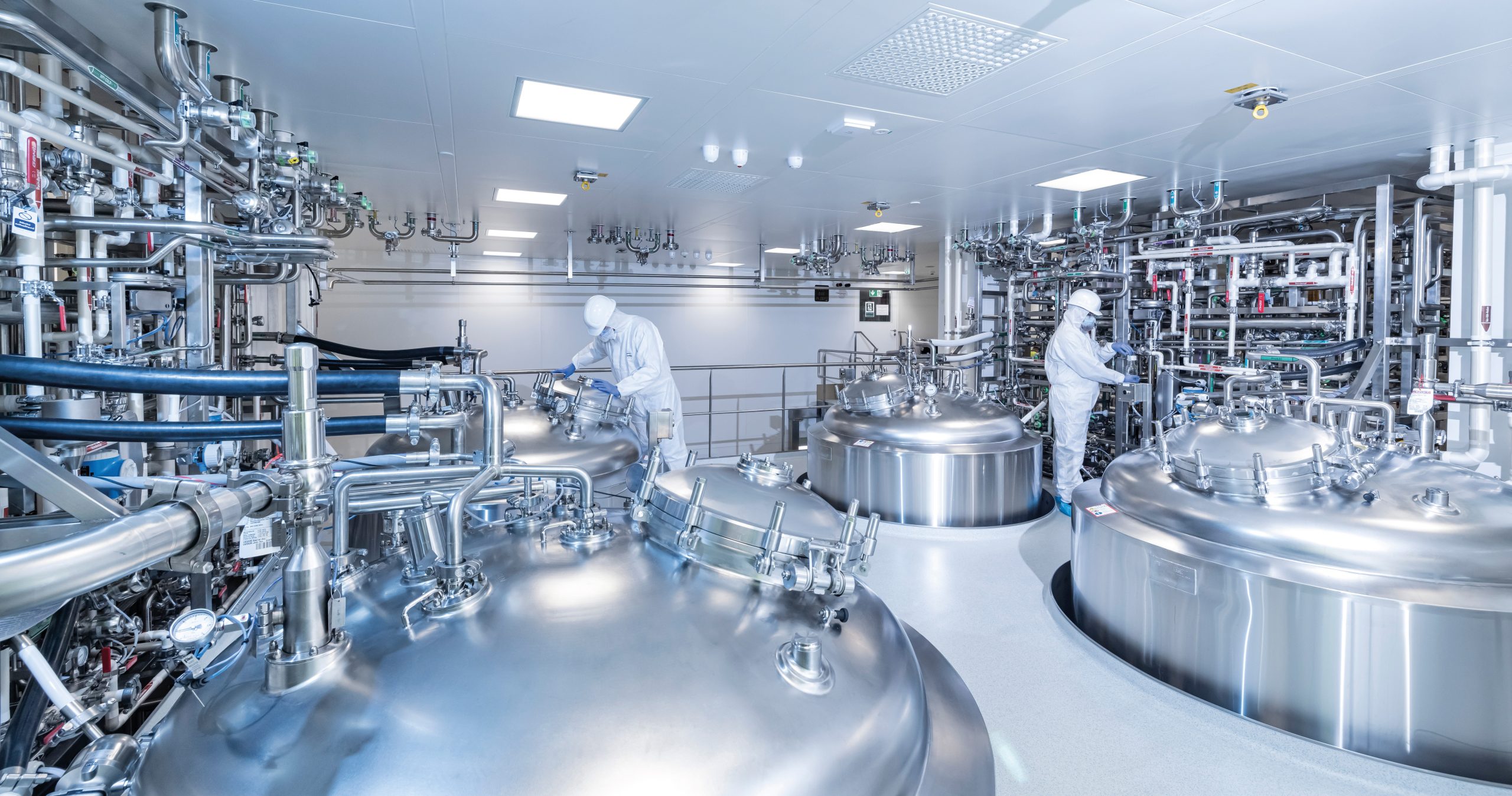
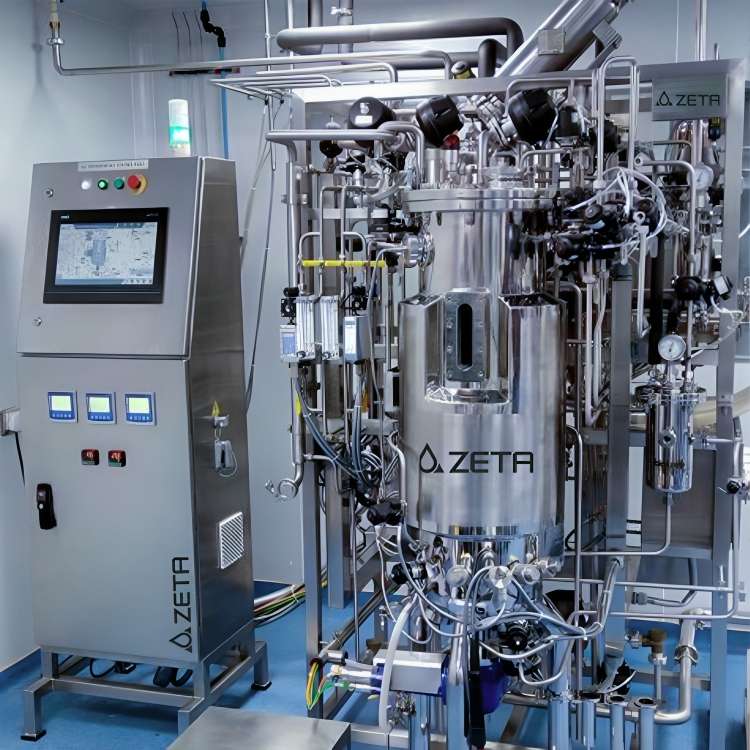
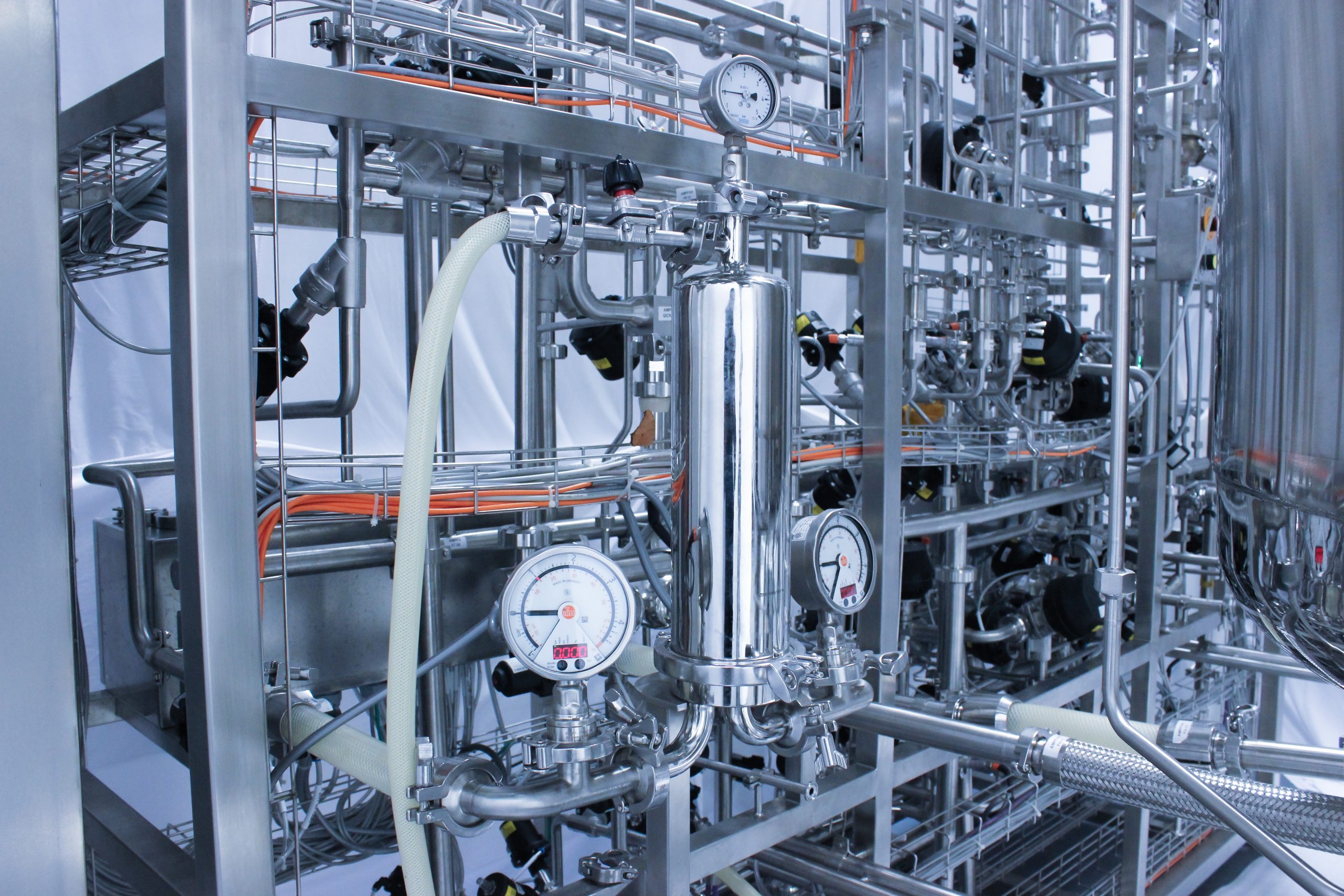
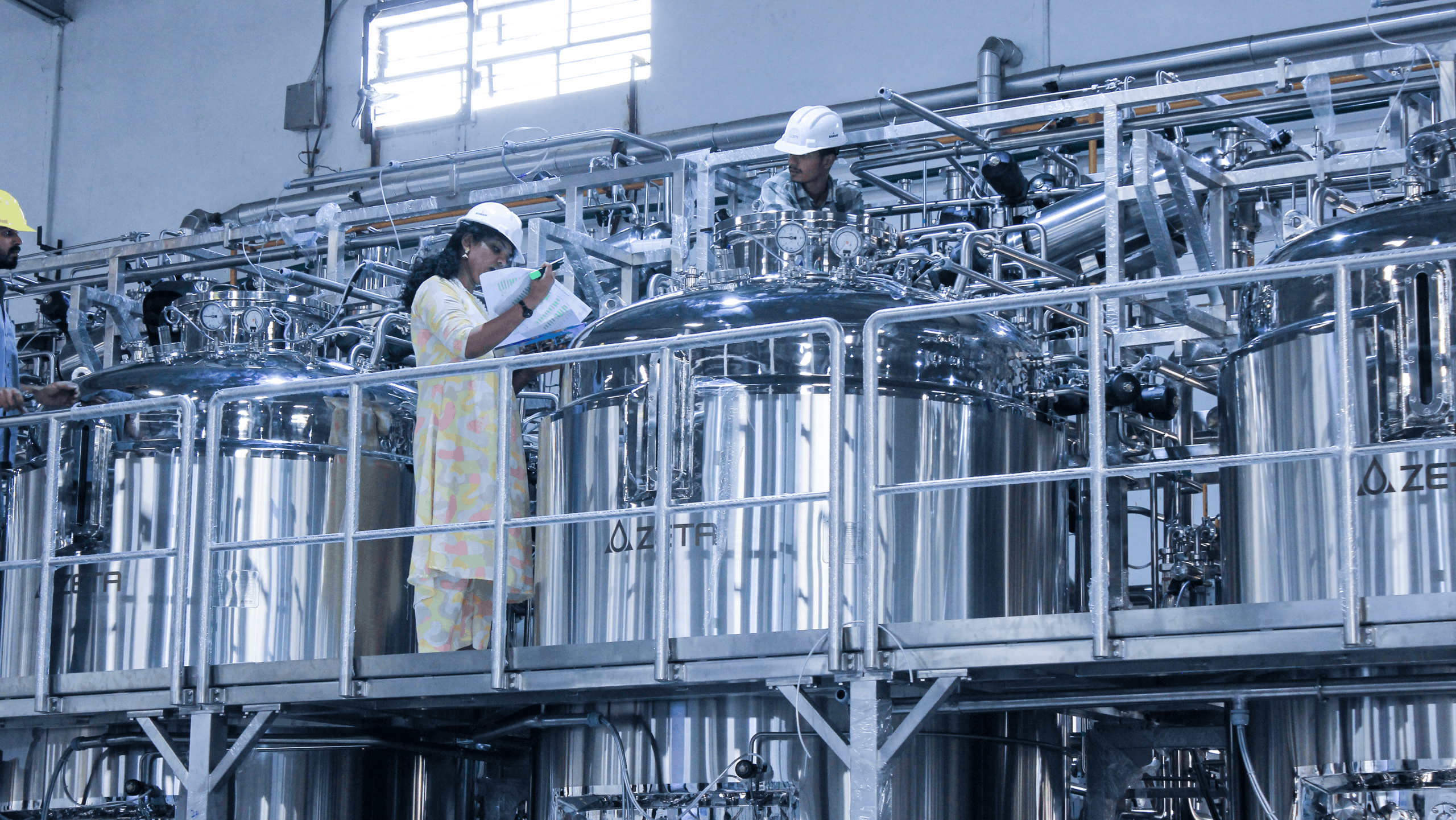
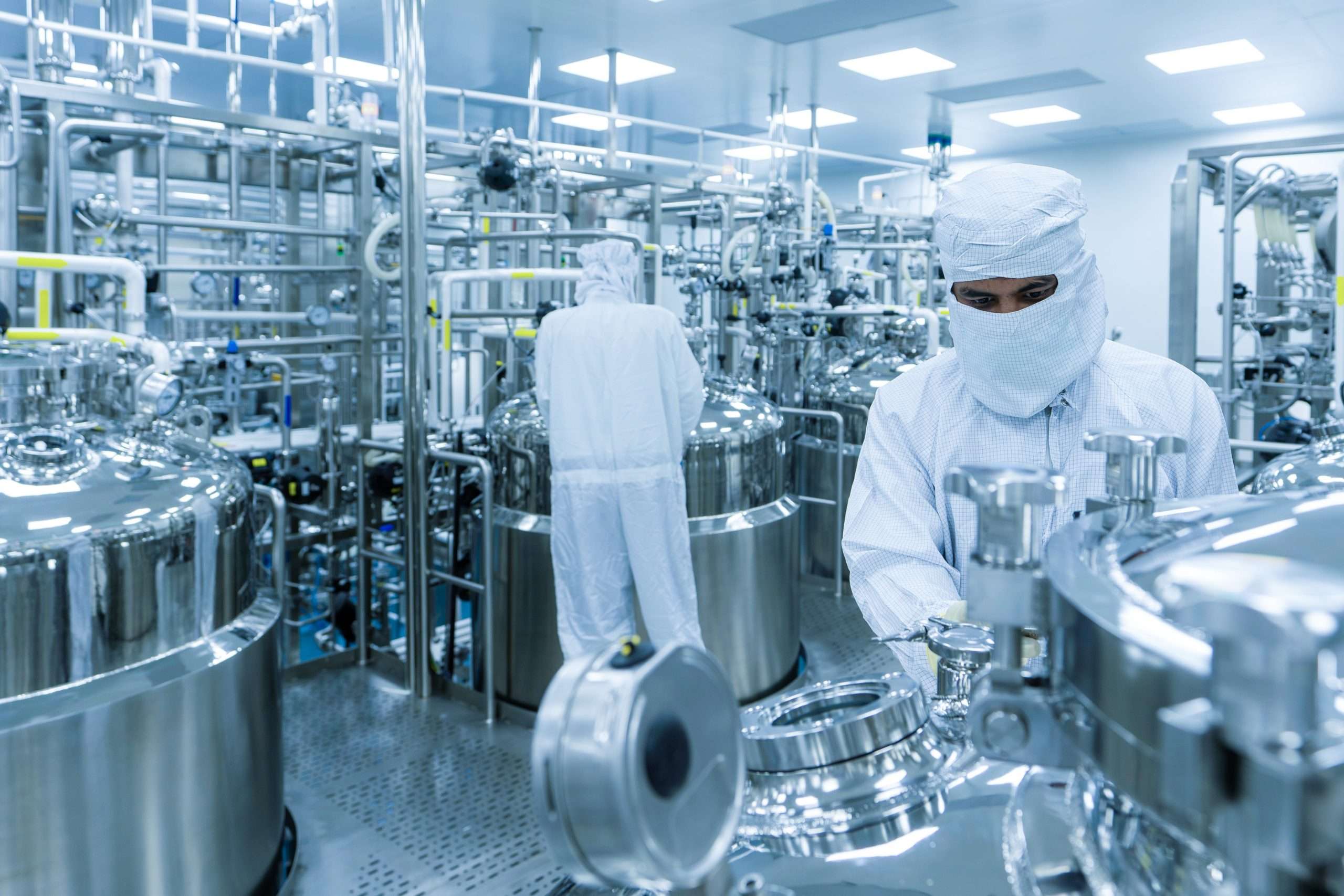
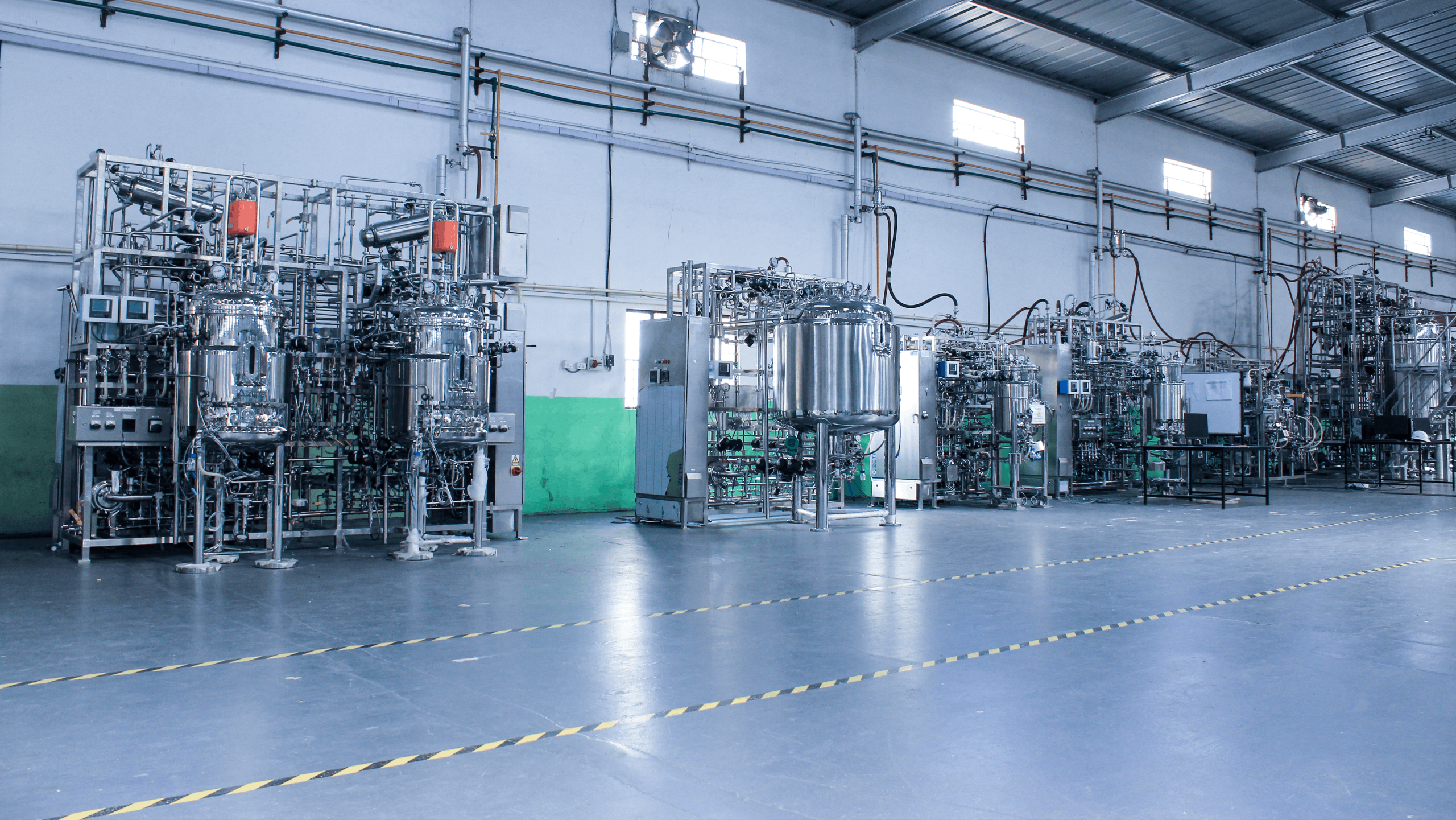
Modularity from day one: Skid-based process equipment – fermenters, bioreactors, buffer and media vessels, TFF systems and filtration skids allows capacity to be added or reconfigured without disturbing the rest of the plant. Designing utilities and clean-room layouts with this modularity in mind avoids costly structural rework later.
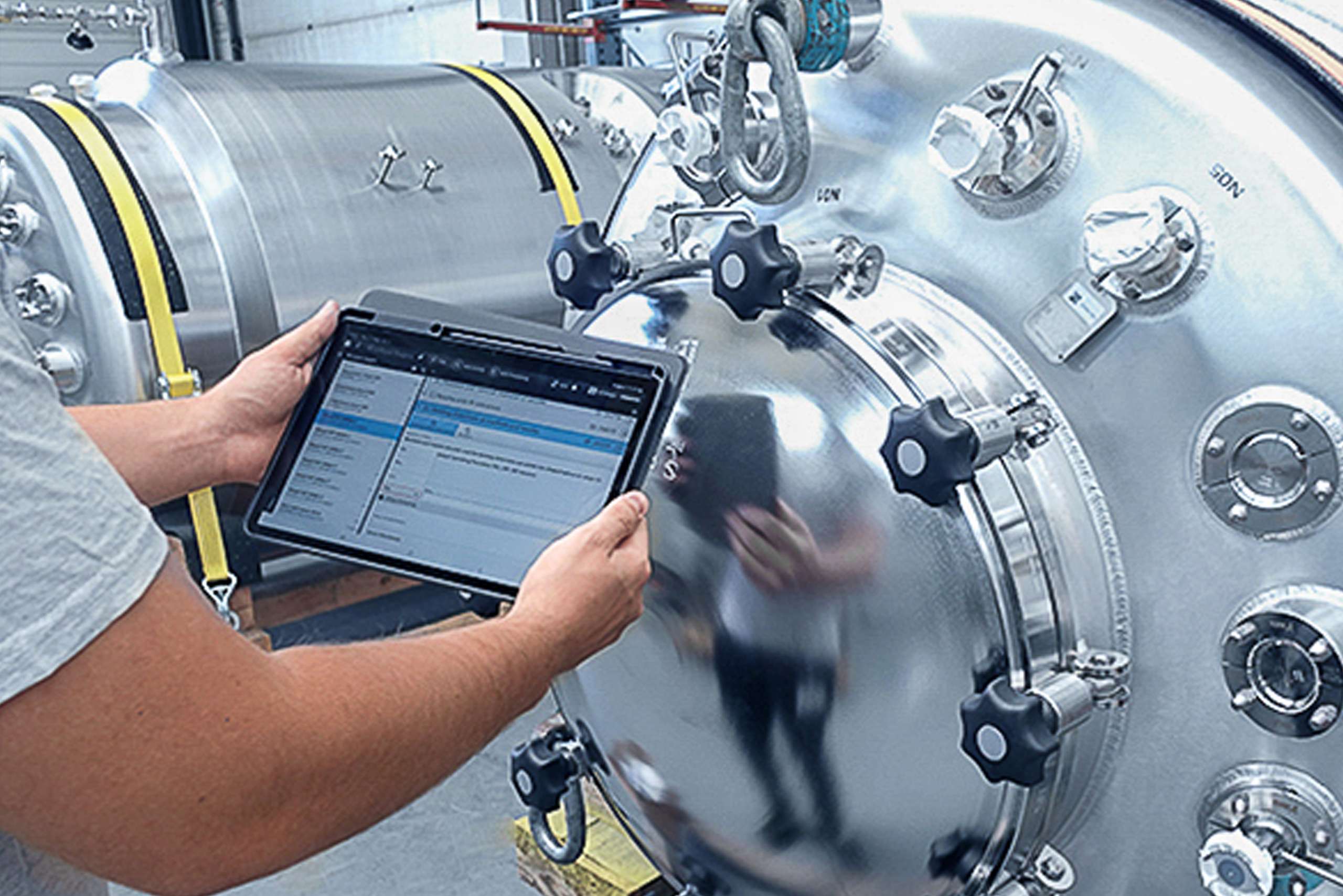
Automation-ready architecture: Building automation and digital infrastructure into the process design from the start rather than layering it on after commissioning makes data integrity, batch record accuracy, and paperless qualification far easier to achieve and sustain.
Right-sized utilities with expansion runway: Sizing CIP/SIP systems, WFI generation, and HVAC for near-term needs alone is a common false economy. A small allowance for future capacity at the design stage is far cheaper than a mid-life utility upgrade.
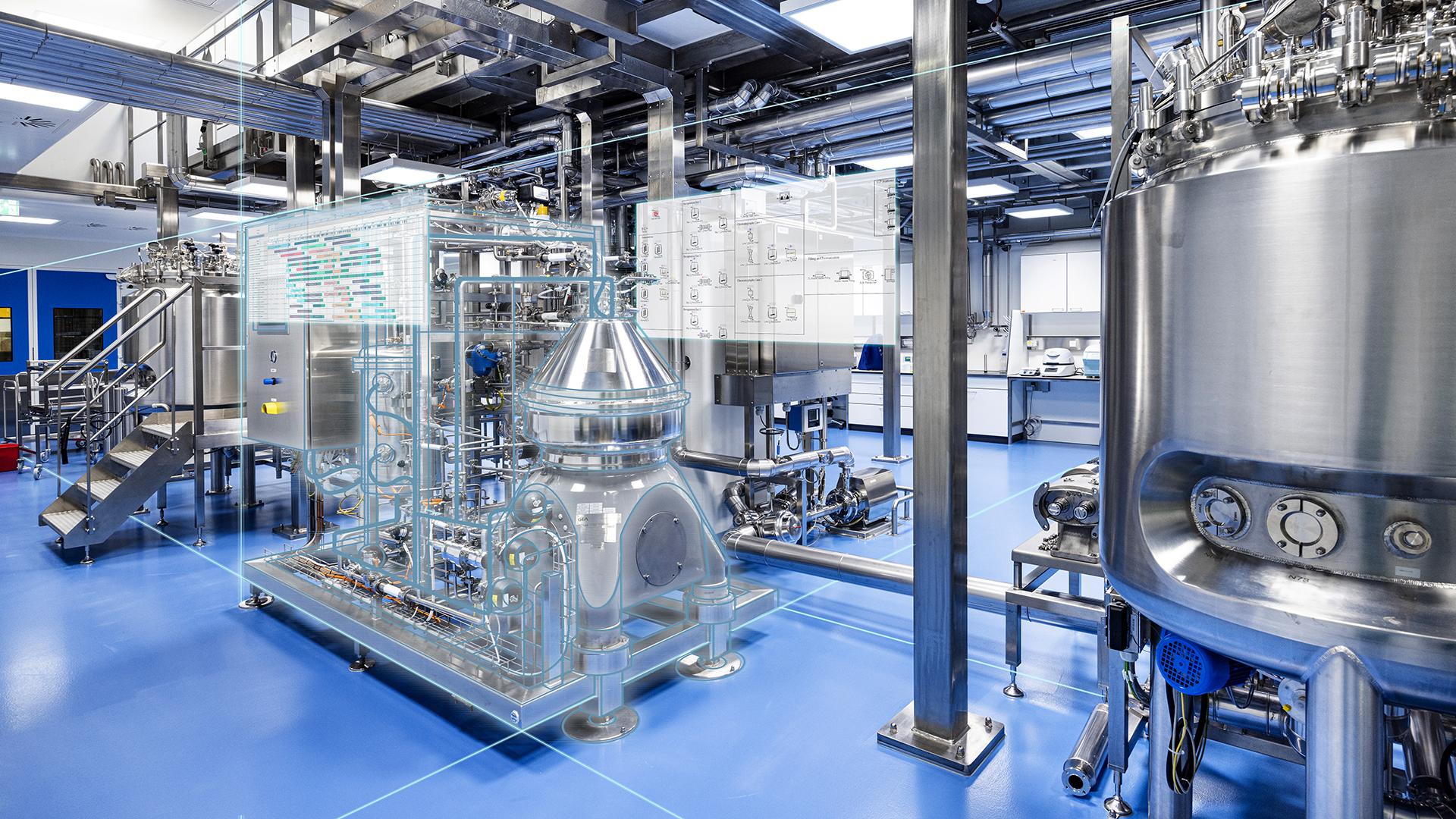
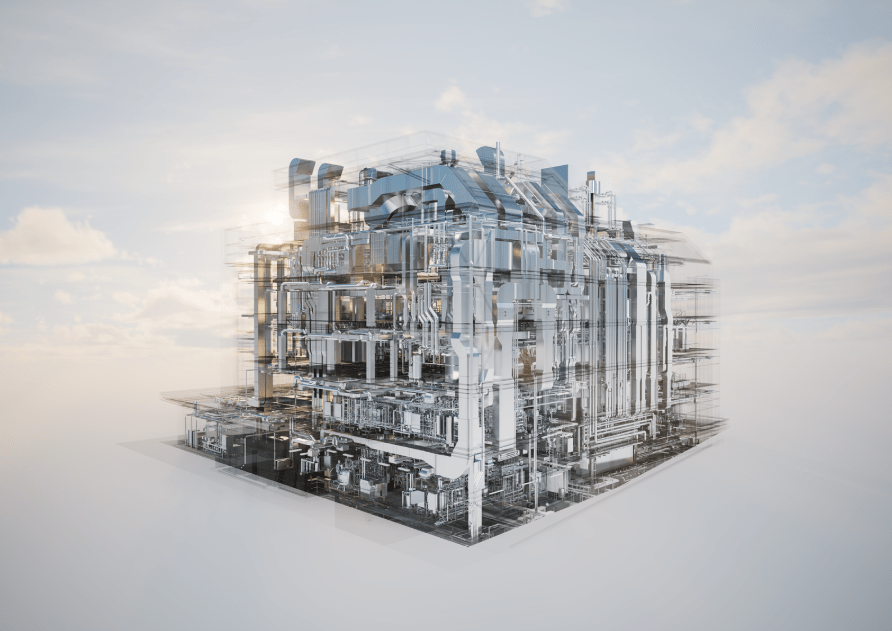
Simulation before steel: Process simulation ahead of detailed engineering catches bottlenecks and layout conflicts on a screen rather than on the shop floor, reducing both capital risk and commissioning time.
Brownfield projects: Engineering around constraints
Brownfield upgrades are a different discipline entirely. The physical envelope, existing utilities, and ongoing production all constrain what’s possible. Good brownfield engineering focuses on:
Phased implementation: Sequencing upgrades so that qualified areas keep running while new skids or systems are installed elsewhere is often the single biggest driver of project success. This usually means detailed shutdown planning down to the day, not the week.
Retrofit-friendly equipment choices: Compact, skid-mounted systems (filtration skids, circulation tanks, CIP/SIP units) are easier to fit into existing footprints than fixed installations, and can often be pre-qualified off-site to shorten on-site downtime.
Validation continuity: Any change to a validated system triggers a requalification burden. Engineering upgrades that minimise touchpoints with already-qualified systems through careful interfacing rather than wholesale replacement keep this burden manageable.
Digital retrofit as a quick win: Adding automation and digital qualification can often provide a relatively fast pathway to improved data integrity and operational visibility without a full mechanical overhaul.
What both approaches share
Regardless of whether a project starts on a greenfield or inside a running plant, a few engineering principles hold constant:
- Design for multi-product flexibility, even if the current scope is single-product. Bioprocess portfolios evolve faster than facilities do.
- Treat automation and digitalisation as core engineering scope, not an add-on procured separately.
- Build qualification and validation planning into the engineering timeline from day one, rather than treating it as a downstream activity.
- Balance local regulatory and operational realities with proven international engineering practice. India’s biopharma facilities operate under Indian conditions, but increasingly serve global markets, and need to be engineered accordingly.
Cost of retrofit vs cost of designing in early
Strategic headroom is usually less costly when incorporated during design than when introduced through later facility modifications.
Sizing a CIP/SIP system, a WFI loop, or a cleanroom’s HVAC capacity for the next expansion phase while everything is still on paper typically adds a modest premium to the original scope. Doing the same thing after commissioning means shutting down qualified systems, re-routing utilities around live production, and re-validating anything the change touches. The unit cost of the equipment itself is often the smallest part of the bill; the higher costs sit in downtime, requalification, and schedule slippage.
The same logic applies to automation. Building data capture and paperless qualification into the control architecture from the outset costs little more than a standard automation scope. Bolting it on to an already-validated facility later usually means touching systems that were never designed to be reopened, which is where brownfield budgets tend to run away.
This isn’t an argument for over-engineering every facility for a future that may not arrive. It’s an argument for treating headroom as a design line item with a known, bounded cost rather than deferring it to a future project where the cost is neither known nor bounded.
Related read: Pharma Expansion Project: How Simulation Helped Avoid Unnecessary CAPEX
Getting the right people in the room
Apart from different engineering approaches, greenfield and brownfield projects need different collaboration models.
Greenfield projects can be sequenced fairly cleanly – process design, engineering, procurement, construction, qualification. Operations and quality teams are consulted, but the facility doesn’t exist yet, so there’s no live production to protect. The main risk is designing in isolation from how the plant will actually be run day to day.
Brownfield projects invert this. Operations and quality aren’t stakeholders to consult; they are co-owners of the schedule. Every shutdown window, every system that can’t be touched mid-batch, every requalification trigger has to be negotiated with the people running the plant, not just the people upgrading it. Engineering decisions that look sound on paper can be operationally unworkable if they weren’t shaped alongside the production calendar from the start.
In both cases, the common thread is that automation, quality, and plant operations need a seat at the engineering table early and not at handover. Facilities that struggle post-commissioning can often trace it back to a decision made by engineering alone that operations only saw after it was built.
Questions worth asking your engineering partner
Before committing to a greenfield build or a brownfield upgrade, it’s worth putting these questions to whoever is engineering the facility:
- How is multi-product flexibility being designed in, even if we’re only running one product today?
- What’s the plan for expanding capacity later, and what’s it going to cost us to do that versus building in headroom now?
- Is automation and data integrity part of the core engineering scope, or a separate workstream bolted on afterwards?
- For a brownfield project, how will shutdown windows and requalification be sequenced against our live production schedule?
- Has the design been simulated or modelled before detailed engineering, or are we finding out about bottlenecks during commissioning?
- Who from operations and quality has actually reviewed this design, and at what stage?
The answers to these questions will reveal whether the facility can still be working well five years from now.
Future-ready facility engineering isn’t about over-building for hypothetical needs. It is about making deliberate, well-simulated choices at the design stage that keep a facility adaptable for years to come. For India’s biopharma sector, where growth in vaccines, biosimilars, and plasma fractionation is expected, adaptability may be the most valuable specification of all.